
The Strange History of Public Benches: How Simple Seats Became Social Spaces

A public bench may seem like one of the simplest objects in a city. It is just a place to sit, rest and watch the world pass by. However, behind this ordinary piece of urban furniture is a fascinating history connected to social change, city planning and human behaviour. Public benches have witnessed conversations, friendships, protests, quiet moments and countless personal stories. They have been places where strangers meet, elderly people rest, children play nearby and travellers pause during their journeys. The history of public benches reveals how even a small object can influence the way people experience and interact with public spaces.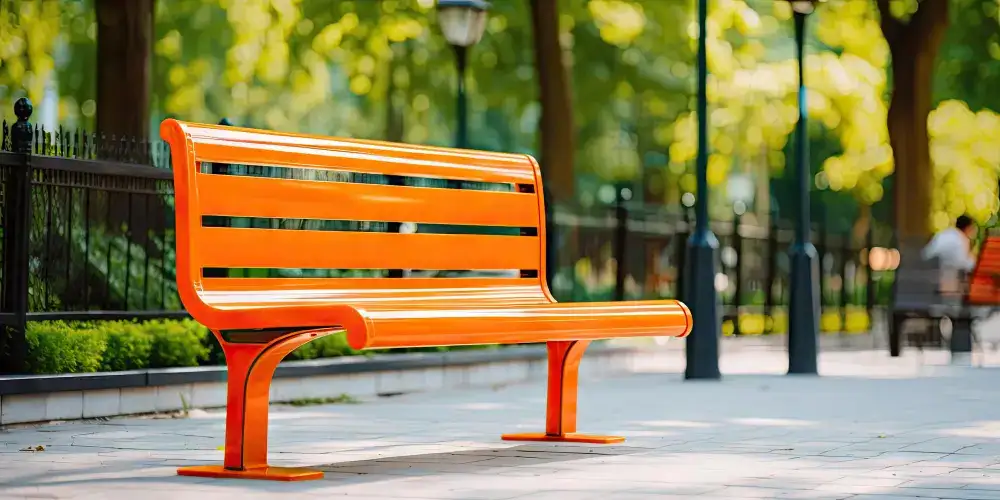
In ancient Greece and Rome, public areas often included stone seating around marketplaces, theatres and meeting spaces. These areas encouraged discussion, social interaction and community participation.
However, these early seats were usually connected to specific public buildings rather than the freely available street benches seen in modern cities.
The growth of urban populations created a need for spaces where people could relax away from crowded streets. Parks became places for recreation, and benches became essential features of these environments.
Cities such as London, Paris and New York introduced large numbers of public benches as part of efforts to improve urban life and provide accessible outdoor spaces.
A person sitting on a bench may have a conversation with a stranger, read a book, enjoy nature or simply take a break from a busy day. These small interactions contribute to the social character of a city.
Urban researchers often consider benches an important part of inclusive design because they allow people of different ages and backgrounds to share the same public spaces.
A simple plaque on a bench can transform an ordinary seat into a meaningful place connected to someone’s life story.
Across the world, memorial benches have become popular ways for families and communities to preserve memories in shared environments.
Some cities have introduced designs that discourage long-term sleeping or certain uses, raising discussions about accessibility, homelessness and the purpose of public areas.
These debates show that public benches are not just objects; they reflect larger questions about who public spaces are designed for.
They encourage people to slow down, observe their surroundings and share common spaces. In busy cities where people often feel disconnected, a simple bench can create moments of calm and interaction.
Modern urban planners continue to include seating areas because they understand that successful cities need spaces where people can naturally gather.
The Origins of Public Seating in Ancient Civilisations
The idea of shared public seating is much older than modern cities. Ancient civilisations understood the importance of communal spaces where people could gather, talk and observe daily life.In ancient Greece and Rome, public areas often included stone seating around marketplaces, theatres and meeting spaces. These areas encouraged discussion, social interaction and community participation.
However, these early seats were usually connected to specific public buildings rather than the freely available street benches seen in modern cities.
How Benches Became Part of Modern Urban Life
Public benches became increasingly common during the 19th century as cities expanded and governments began designing organised parks and public areas.The growth of urban populations created a need for spaces where people could relax away from crowded streets. Parks became places for recreation, and benches became essential features of these environments.
Cities such as London, Paris and New York introduced large numbers of public benches as part of efforts to improve urban life and provide accessible outdoor spaces.
The Hidden Social Role of a Simple Bench
A public bench does more than provide a place to sit. It creates opportunities for human connection .A person sitting on a bench may have a conversation with a stranger, read a book, enjoy nature or simply take a break from a busy day. These small interactions contribute to the social character of a city.
You may also like
- Rare albino hog deer spotted in Kaziranga, Assam: Why this extraordinary sighting is exciting wildlife travellers
- Understanding the Gen Z 'Panic Pouch' for Mental Well-Being
- Personal Loan EMI: 8 Smart Tips to Get a Cheaper Personal Loan and Save Thousands
- Sainsbury's shoppers loving tomato sundress for under £30 that's 'classic' and trendy
- Meet Pawan Kumar Chandana: An IIT Kharagpur alumnus, former ISRO scientist who once scored 51 in Maths; now owns India's largest private rocket factory
Urban researchers often consider benches an important part of inclusive design because they allow people of different ages and backgrounds to share the same public spaces.
The Emotional Stories Attached to Public Benches
Many public benches carry personal stories. Some are installed as memorials to remember loved ones, while others celebrate important events or community figures.A simple plaque on a bench can transform an ordinary seat into a meaningful place connected to someone’s life story.
Across the world, memorial benches have become popular ways for families and communities to preserve memories in shared environments.
The Unexpected Controversy Around Public Benches
Although benches are designed for comfort and accessibility, they have sometimes become part of debates about how cities manage public spaces.Some cities have introduced designs that discourage long-term sleeping or certain uses, raising discussions about accessibility, homelessness and the purpose of public areas.
These debates show that public benches are not just objects; they reflect larger questions about who public spaces are designed for.
Why Public Benches Still Matter Today
In an increasingly digital world, public benches continue to provide something technology cannot replace: physical human connection.They encourage people to slow down, observe their surroundings and share common spaces. In busy cities where people often feel disconnected, a simple bench can create moments of calm and interaction.
Modern urban planners continue to include seating areas because they understand that successful cities need spaces where people can naturally gather.






More from our partners


Loving Newspoint? Download the app now
