
Exploring the Healing Era Trend: Growth or Escapism for Mental Wellbeing

Scroll through almost any social media platform today and you will quickly encounter posts declaring that someone has entered their healing era. This popular online phenomenon centers around prioritising emotional wellbeing, setting strict boundaries, and practicing daily self care. People share videos of peaceful morning routines, journal writing, candlelit baths, and aesthetic wellness treats. On the surface, focusing on personal wellness and mental health seems like a completely positive cultural shift. However, examining the healing era trend growth or escapism reveals a more complex reality where genuine personal development often mixes with quiet avoidance of everyday responsibilities.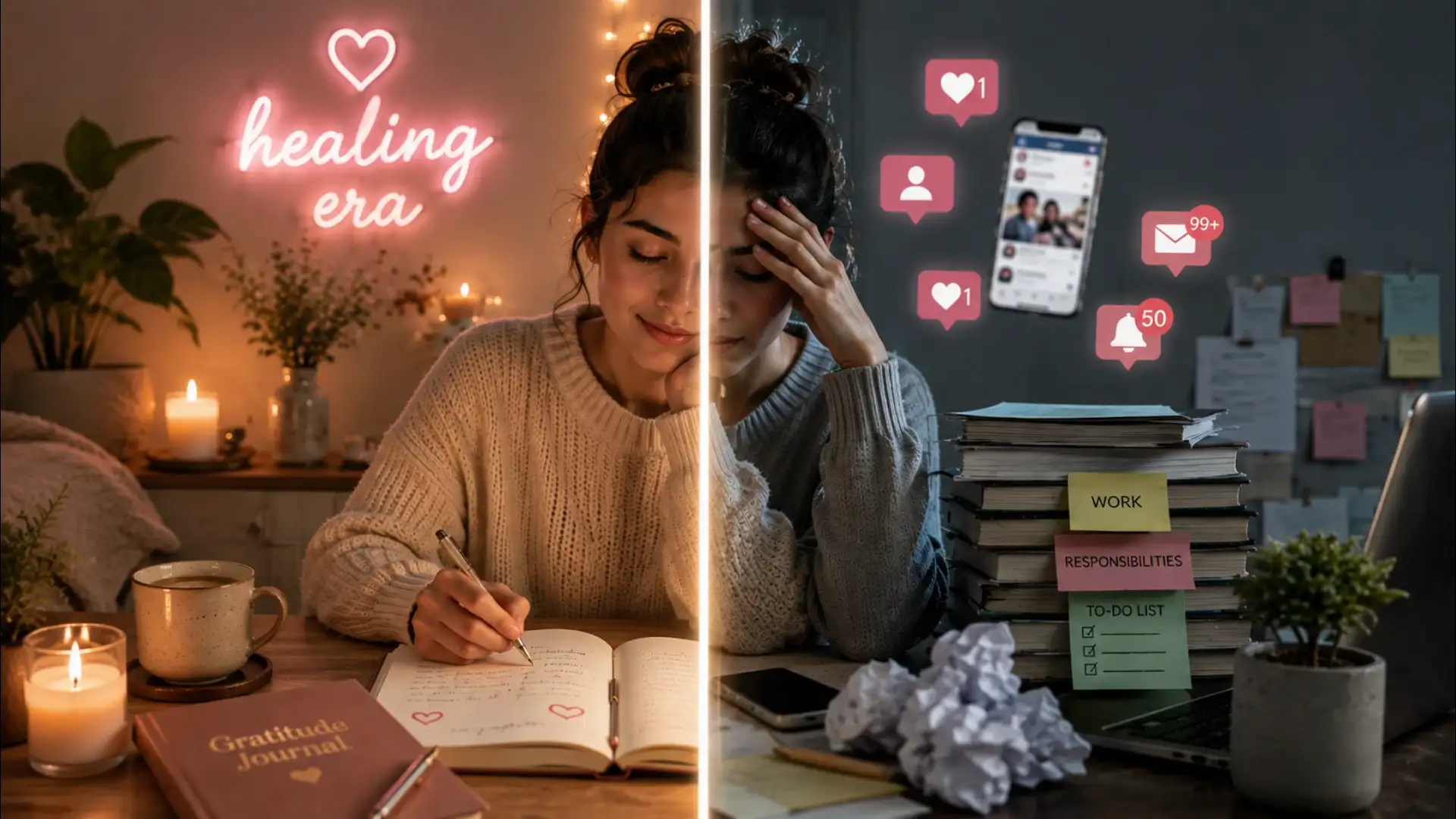
By distinguishing between authentic emotional progress and comforting distractions, you can build a resilient life that thrives both online and in the real world.
The Positive Impact of Focus on Mental Health and Growth
At its best, this movement represents real personal growth and a healthy rejection of burnout culture. For generations, people were encouraged to suppress emotional pain, work through severe fatigue, and tolerate toxic relationships. The current focus on self care offers individuals permission to slow down and listen to their physical and emotional needs. Embracing a wellness journey encourages people to process past emotional wounds, seek therapy, and practice mindfulness. Learning to say no to unreasonable demands builds emotional resilience and helps individuals establish balanced, long term routines. In this light, focusing on recovery is a crucial step toward living a healthier life.When Self Care Turns Into Escapism and Isolation
Despite these good intentions, the movement can easily slide into subtle forms of emotional escapism. True emotional processing is often messy, uncomfortable, and difficult. It involves taking accountability for past mistakes, having tough conversations, and pushing through challenging life situations. In contrast, online self care trends often reduce recovery to consumer products like expensive face masks, wellness teas, and luxury retreats. When people use the excuse of protecting their peace to avoid every uncomfortable interaction, they risk isolating themselves from reality. Withdrawing from social duties or dropping friends at the slightest conflict is not genuine recovery, but rather a way to escape necessary life challenges.The Commercialization of Personal Wellness
Another troubling side of this trend is how quickly modern markets have commercialized emotional recovery. Corporations and influencers frequently sell the idea that buying certain aesthetic products leads to inner peace. Tying personal growth to consumerism tricks people into believing that spending money is the same as doing real inner work. Buying a cozy blanket or a set of crystals might make you feel comforted for an evening, but it will not fix deep seated anxiety or resolve difficult interpersonal relationships. Relying on shopping to feel better simply replaces real healing with temporary distraction.Finding True Balance and Real Recovery
To ensure that your wellness journey promotes real growth rather than simple avoidance, it is essential to balance comfort with honest action. Genuine emotional recovery requires facing life rather than running away from it. Enjoying relaxing self care rituals is wonderful, provided they are paired with practical efforts to improve your career, nurture real friendships, and manage daily responsibilities.By distinguishing between authentic emotional progress and comforting distractions, you can build a resilient life that thrives both online and in the real world.
Next Story