
How Some Mammals Nearly Stop Their Hearts to Stay Alive

A healthy human heart beats around 60 to 100 times every minute, constantly pumping blood to keep the body alive. Stopping or dramatically slowing the heartbeat would usually be life-threatening. Yet in the natural world, some mammals do exactly that as a remarkable survival strategy. During hibernation or deep dives, these animals can reduce their heart rate to just a handful of beats per minute, conserving precious energy and oxygen when resources are limited. This extraordinary adaptation has fascinated scientists for decades, offering valuable insights into biology, medicine and even the future of long-duration space travel.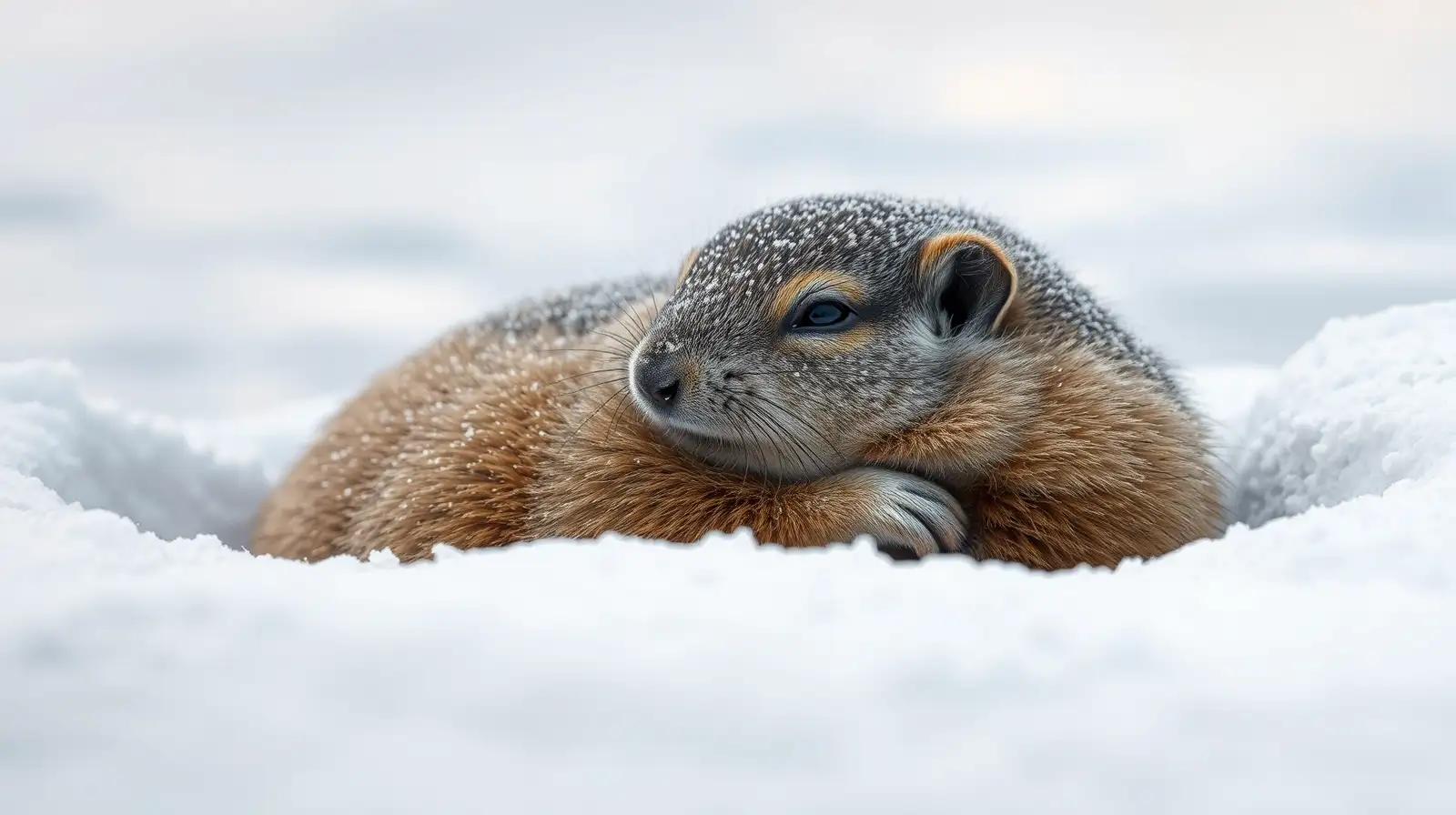
This adaptation is especially important during hibernation, when food is unavailable for months, or during long underwater dives, where every breath of oxygen must last as long as possible.
Rather than shutting down completely, the body carefully prioritises vital organs while reducing activity elsewhere.
Bears also experience remarkable changes. Although they do not hibernate as deeply as smaller mammals, black bears can reduce their heart rate from around 50 beats per minute to fewer than 10 during winter dormancy. In some cases, several seconds may pass between individual heartbeats.
Marine mammals are equally impressive. Weddell seals, elephant seals and some whale species dramatically slow their hearts while diving, allowing them to remain underwater for extended periods without returning to the surface for air.
For hibernating animals, this means stored body fat lasts much longer throughout winter. For diving mammals, it allows oxygen to be directed mainly towards the brain and heart while reducing blood flow to less essential organs and muscles.
Mammals That Can Slow Their Heartbeat Almost to Zero
A Heart That Knows When to Slow Down
The ability to dramatically reduce heart rate is known as bradycardia, although in wild mammals it is a natural and carefully controlled response rather than a medical condition. By slowing the heartbeat, animals reduce the amount of oxygen and energy their bodies consume.This adaptation is especially important during hibernation, when food is unavailable for months, or during long underwater dives, where every breath of oxygen must last as long as possible.
Rather than shutting down completely, the body carefully prioritises vital organs while reducing activity elsewhere.
Which Mammals Have This Extraordinary Ability?
One of the most impressive examples is the Arctic ground squirrel. During hibernation, its heart rate can fall from around 200 beats per minute to just a few beats each minute. At the same time, its body temperature drops below the freezing point of water without causing tissue damage.Bears also experience remarkable changes. Although they do not hibernate as deeply as smaller mammals, black bears can reduce their heart rate from around 50 beats per minute to fewer than 10 during winter dormancy. In some cases, several seconds may pass between individual heartbeats.
Marine mammals are equally impressive. Weddell seals, elephant seals and some whale species dramatically slow their hearts while diving, allowing them to remain underwater for extended periods without returning to the surface for air.
How Slowing the Heart Improves Survival
Every heartbeat requires energy and oxygen. By reducing both, mammals can survive in environments where food or air is temporarily unavailable.For hibernating animals, this means stored body fat lasts much longer throughout winter. For diving mammals, it allows oxygen to be directed mainly towards the brain and heart while reducing blood flow to less essential organs and muscles.
Next Story