The Hidden Dangers Of Dog Walking: Essential Safety Tips For Owners

Walking your dog can be a joyful experience, offering both exercise and bonding time. However, it also comes with its own set of challenges and potential dangers. From sudden encounters with other animals to risks of injury, being a responsible dog owner means being aware of these issues. Understanding how to make dog walking safer can help you and your furry companion enjoy your time outdoors while minimising risks.
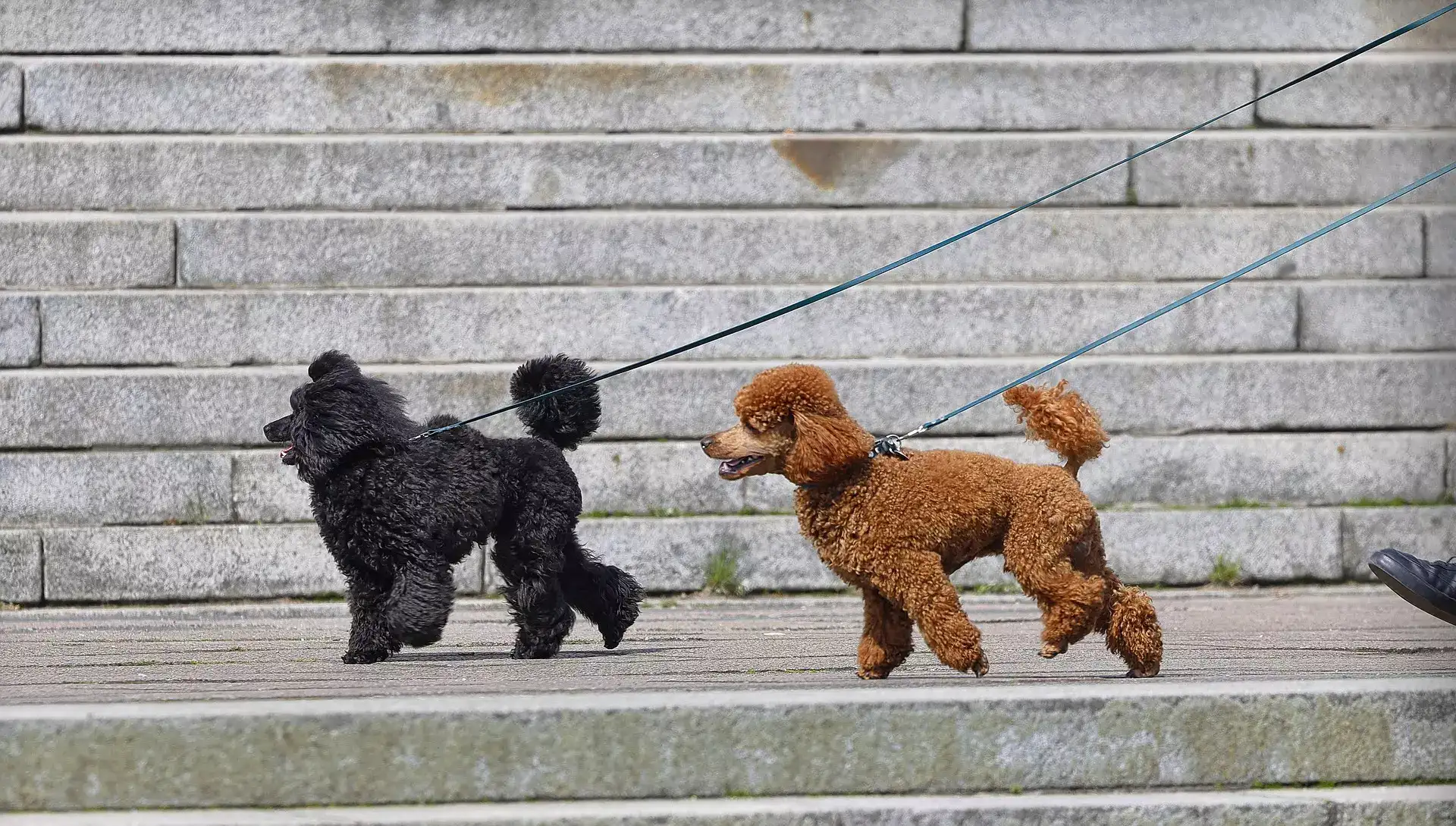
Hero Image


Understanding the Risks
Walking your dog seems like a simple activity, but several risks can turn a pleasant stroll into a distressing experience. Dogs can react unpredictably to their surroundings, especially when faced with other animals, loud noises, or unfamiliar people. Moreover, injuries can occur from pulling on the leash, slipping, or even being hit by vehicles. As a dog owner, it's crucial to understand these risks to take preventive measures.

Preparing for Your Walk
Before heading out, it’s important to prepare adequately. Start by ensuring that your dog is properly trained to walk on a leash. Invest in a good-quality leash and collar or harness that suits your dog's size and breed. A well-fitted harness can provide better control and prevent strain on your dog's neck. Additionally, consider bringing essential items like water, waste bags, and a first aid kit to address any potential issues during your walk.


Choosing Safe Routes
The route you choose for your walk can significantly impact safety. Select areas that are dog-friendly, such as parks or designated walking trails, where the chances of encountering aggressive animals or heavy traffic are lower. Pay attention to the weather, as extreme heat or cold can be harmful to your dog's health. Early mornings or late afternoons can be ideal for walking in hotter climates to avoid overheating.

Keeping Your Dog Calm
Many dogs can become overly excited or anxious during walks, leading to unwanted behaviour. Training your dog to respond to basic commands such as sit or stay can help maintain control during walks. Use positive reinforcement to reward good behaviour, making the experience enjoyable for both you and your dog. If your dog is reactive towards other animals, consider using calming techniques or even consulting a professional trainer for additional guidance.