
What Vastu Shastra Says About Keeping Broken Things at Home

Walk through any home slowly enough and you will find them: a chipped cup still in the cabinet, a wall clock that stopped months ago, a mirror with a hairline crack running across one corner. These things stay because replacing them keeps slipping down the list.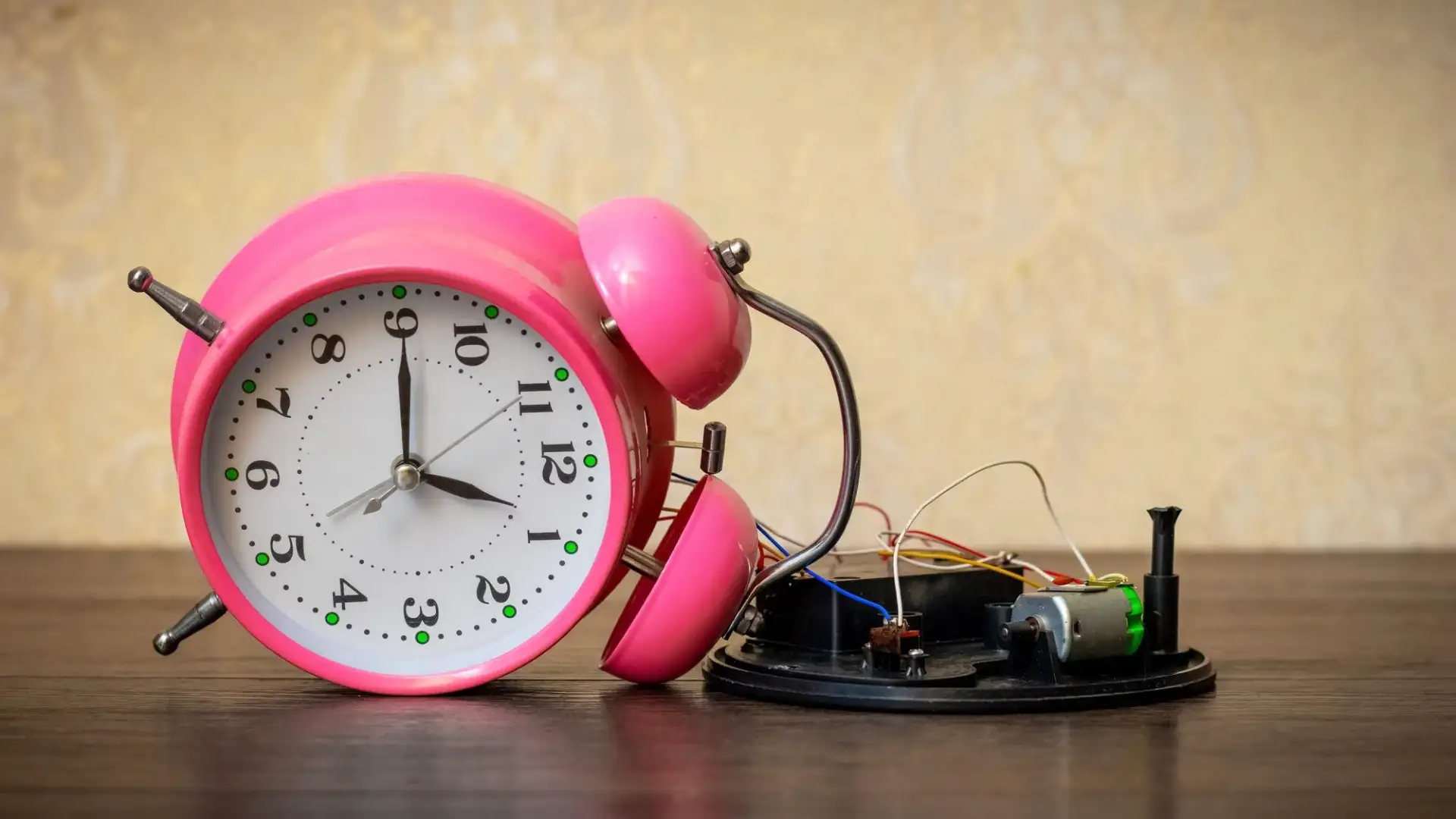
Vastu Shastra, the ancient Indian system of spatial arrangement, treats each of these not as a minor oversight but as something that actively shapes the quality of a space. The tradition does not ask you to throw everything away. It asks you to notice what you have stopped noticing.
The tradition describes this as a kind of stagnation, energy that gathers around something incomplete rather than moving through it. This is not a claim about physics. It is the framework through which Vastu reads a home: function and wholeness are considered conditions for a space to feel settled and alive.
Where things are broken and left, the tradition says the feeling of the space reflects that.
Vastu shastra ke anusaar, a broken mirror in a bedroom or living area is considered particularly inauspicious, and the common guidance is to remove it without delay rather than leaving it in place until a replacement arrives.
The practical layer here is separate from the belief: a cracked mirror is also a safety concern, and most people already know it should go. The Vastu view simply adds another reason.
Vastu shastra mein maana jaata hai that stopped clocks should be repaired or removed rather than kept as decoration. Broken furniture carries a similar reading.
A chair that wobbles, a table with a cracked surface, a bed frame that has been propped rather than fixed, each is seen as an object that no longer fulfills its purpose. The tradition's position is consistent: repair it, replace it, or let it go. Keeping it in use while broken is considered worse than keeping it stored, because it brings the incompleteness into daily contact.
Earthenware and kitchen objects follow the same logic. A cracked clay pot or a chipped serving bowl, in Vastu's view, has served its time.
The southwest, by contrast, is associated with stability and weight, and heavier storage is generally considered more appropriate there.
Broken objects stored in any direction are considered less harmful than broken objects in active use, but the northeast and the main entrance are singled out as areas where the tradition is most particular.
The recommendation is to set a threshold, if something cannot be repaired within a reasonable time, remove it rather than letting it occupy space in a broken state. Objects with sentimental value that cannot be repaired are often suggested to be stored respectfully rather than displayed in prominent areas.
The tradition treats this as an act of care for the space, not a superstition about bad luck. Whether one holds the belief or not, there is something in the practice worth sitting with: most people feel the difference between a home where broken things are dealt with and one where they accumulate quietly in every corner.
Disclaimer: This article is for general informational and cultural purposes only, reflecting traditional principles and beliefs associated with Vastu Shastra. These concepts are rooted in customary practices rather than scientific evidence, and readers are encouraged to apply their own discretion and consult a qualified professional for personalized guidance.
Vastu Shastra, the ancient Indian system of spatial arrangement, treats each of these not as a minor oversight but as something that actively shapes the quality of a space. The tradition does not ask you to throw everything away. It asks you to notice what you have stopped noticing.
The Logic Behind the Tradition
Vastu Shastra holds that every object in a home participates in the flow of energy through that space. A broken or non-functional object, in this view, is one that has stopped doing what it was made to do.The tradition describes this as a kind of stagnation, energy that gathers around something incomplete rather than moving through it. This is not a claim about physics. It is the framework through which Vastu reads a home: function and wholeness are considered conditions for a space to feel settled and alive.
Where things are broken and left, the tradition says the feeling of the space reflects that.
Mirrors: Why a Crack Matters
In Vastu Shastra, mirrors are considered among the most sensitive objects in a home because of what they do, they reflect. A cracked mirror, the tradition holds, distorts the reflection and by extension the energy of the space around it.Vastu shastra ke anusaar, a broken mirror in a bedroom or living area is considered particularly inauspicious, and the common guidance is to remove it without delay rather than leaving it in place until a replacement arrives.
The practical layer here is separate from the belief: a cracked mirror is also a safety concern, and most people already know it should go. The Vastu view simply adds another reason.
Clocks, Furniture, and Everyday Objects
A clock that has stopped is one of the most commonly cited examples in Vastu guidance. The tradition holds that a non-working clock in a home signals stalled movement, that time, in some symbolic sense, has stopped in that corner of the house.Vastu shastra mein maana jaata hai that stopped clocks should be repaired or removed rather than kept as decoration. Broken furniture carries a similar reading.
A chair that wobbles, a table with a cracked surface, a bed frame that has been propped rather than fixed, each is seen as an object that no longer fulfills its purpose. The tradition's position is consistent: repair it, replace it, or let it go. Keeping it in use while broken is considered worse than keeping it stored, because it brings the incompleteness into daily contact.
Earthenware and kitchen objects follow the same logic. A cracked clay pot or a chipped serving bowl, in Vastu's view, has served its time.
Where Objects Are Kept Matters Too
Vastu Shastra pays attention to direction as much as to the objects themselves. The northeast corner of a home is considered particularly significant, it is associated with clarity and openness, and the tradition holds that this area should be kept clean, light, and free of clutter or broken things.The southwest, by contrast, is associated with stability and weight, and heavier storage is generally considered more appropriate there.
Broken objects stored in any direction are considered less harmful than broken objects in active use, but the northeast and the main entrance are singled out as areas where the tradition is most particular.
What the Tradition Actually Recommends
Vastu Shastra's guidance on broken objects is not about perfection or constant replacement. The tradition's underlying position is simpler: a home should contain things that work, and when something stops working, the decision about what to do with it should be made deliberately rather than deferred indefinitely.The recommendation is to set a threshold, if something cannot be repaired within a reasonable time, remove it rather than letting it occupy space in a broken state. Objects with sentimental value that cannot be repaired are often suggested to be stored respectfully rather than displayed in prominent areas.
The tradition treats this as an act of care for the space, not a superstition about bad luck. Whether one holds the belief or not, there is something in the practice worth sitting with: most people feel the difference between a home where broken things are dealt with and one where they accumulate quietly in every corner.
Disclaimer: This article is for general informational and cultural purposes only, reflecting traditional principles and beliefs associated with Vastu Shastra. These concepts are rooted in customary practices rather than scientific evidence, and readers are encouraged to apply their own discretion and consult a qualified professional for personalized guidance.






Loving Newspoint? Download the app now
