
Why the Everyday Kitchen Sponge Became an Environmental Problem

For something found beside nearly every sink in the world, the kitchen sponge has a surprisingly strange story. Most people use one without thinking twice. It scrubs plates, wipes counters, and usually ends up in the bin after a few weeks. Yet this tiny household item has become one of the most overlooked contributors to everyday plastic waste .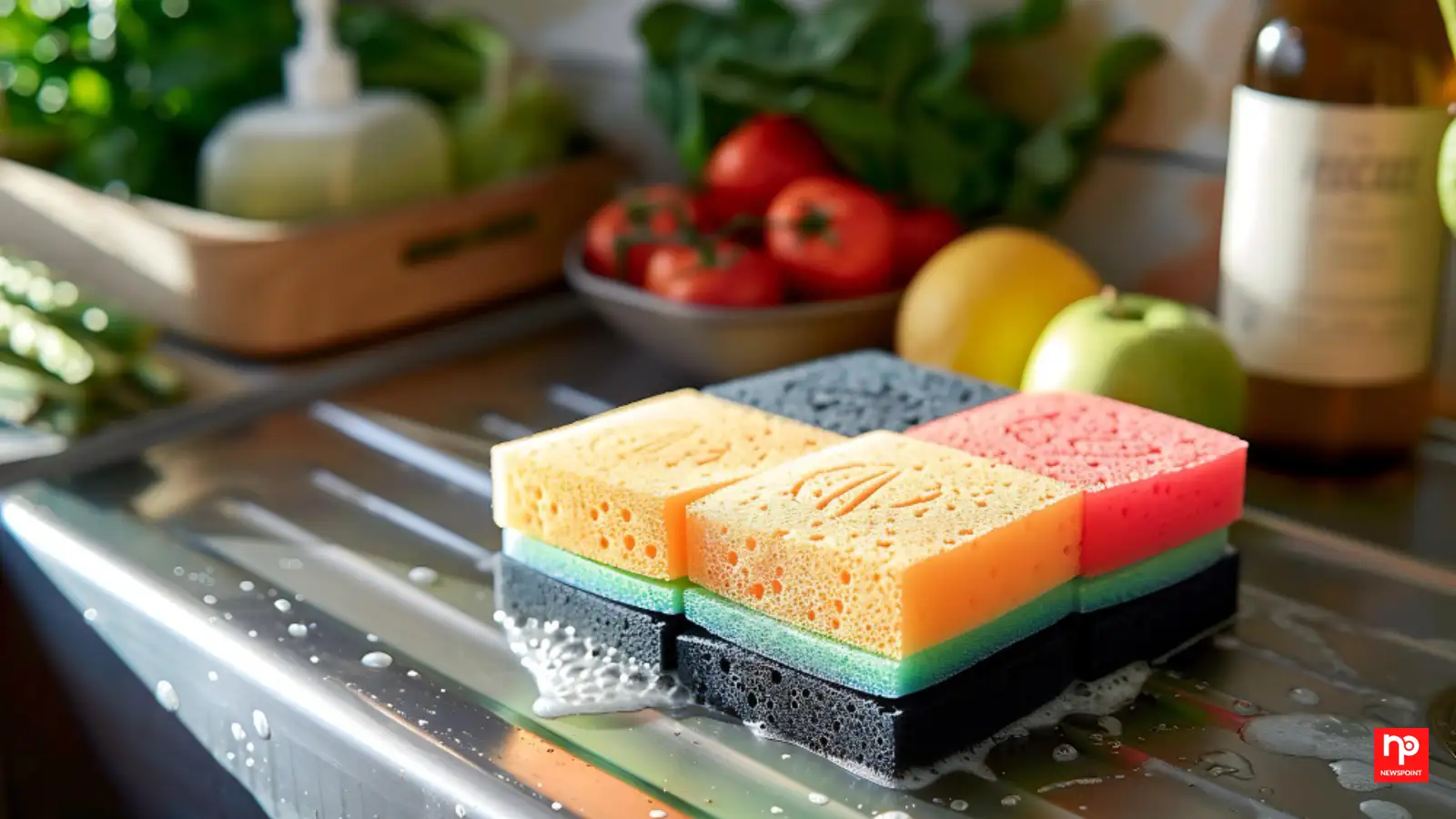
That changed during the mid-20th century when synthetic foam production became cheaper. Plastic sponges quickly entered homes because they were lightweight, colourful, inexpensive, and easy to mass produce. Manufacturers promoted them as more hygienic and modern than traditional cleaning cloths.
By the 1980s, the synthetic kitchen sponge had become a standard household item across much of the world.
What makes the issue worse is the short lifespan. Many households replace sponges weekly. Over a year, one home can easily discard dozens.
Tiny plastic particles from worn sponges also enter water systems during washing. These microplastics eventually reach rivers and oceans, where they remain for decades.
People often respond by replacing them even faster, creating a cycle of constant waste.
Some families now keep washable cloth systems instead of disposable sponges altogether. Others cut old towels into reusable kitchen wipes.
Replacing one disposable item with a reusable alternative may seem insignificant, yet multiplied across millions of homes, the impact becomes enormous.
The strangest part is that many of the solutions already existed generations ago. People simply forgot them for a while.
How the Modern Sponge Took Over Kitchens
Before synthetic sponges became common, people cleaned dishes with cloth rags, natural sea sponges, wood fibre brushes, or even dried plants. In many parts of Europe, natural loofahs were widely used because they could be washed and reused for months.That changed during the mid-20th century when synthetic foam production became cheaper. Plastic sponges quickly entered homes because they were lightweight, colourful, inexpensive, and easy to mass produce. Manufacturers promoted them as more hygienic and modern than traditional cleaning cloths.
By the 1980s, the synthetic kitchen sponge had become a standard household item across much of the world.
Why They Create More Waste Than People Realise
Most kitchen sponges are made from polyurethane, a petroleum-based plastic material that does not naturally break down. Millions are thrown away every single day globally. Since they absorb grease and bacteria, recycling centres usually cannot process them.You may also like
- Your kitchen sink is dirtier than most toilets: doctor explains how to clean it properly
- Why Mahesh Enters Your Life Before Big Transformations
- Why you should never share marital problems with your child (and what to do instead)
- Rainbow Mountain of Peru: Why this colourful wonder stayed hidden beneath snow for years
- TOI Young Leaders: Imagine your child speaking confidently and lighting up the room
What makes the issue worse is the short lifespan. Many households replace sponges weekly. Over a year, one home can easily discard dozens.
Tiny plastic particles from worn sponges also enter water systems during washing. These microplastics eventually reach rivers and oceans, where they remain for decades.
The Hygiene Myth Around Sponges
Ironically, the product sold as a cleaning tool can become one of the dirtiest objects in the house. Studies have repeatedly shown that damp kitchen sponges contain enormous amounts of bacteria because their porous structure traps moisture and food particles.People often respond by replacing them even faster, creating a cycle of constant waste.
The Return of Old Cleaning Habits
Interestingly, many households are quietly returning to older cleaning methods. Reusable cotton cloths, bamboo scrubbers, compostable brushes, and natural loofahs are becoming popular again, especially among younger consumers trying to reduce plastic waste.Some families now keep washable cloth systems instead of disposable sponges altogether. Others cut old towels into reusable kitchen wipes.
Why Small Habits Matter on Environment Day
Environment Day discussions often focus on massive industrial pollution, but ordinary household habits matter too. The kitchen sponge is a reminder that environmental problems are not always dramatic or obvious. Sometimes they sit quietly beside the sink.Replacing one disposable item with a reusable alternative may seem insignificant, yet multiplied across millions of homes, the impact becomes enormous.
The strangest part is that many of the solutions already existed generations ago. People simply forgot them for a while.






More from our partners


Loving Newspoint? Download the app now
