
The Hidden Life of Snow Leopards: Why They Remain Nature's Greatest Mystery

Spotting a snow leopard in the wild is a dream shared by wildlife photographers, researchers and nature enthusiasts across the globe. Yet even those who spend months searching the remote mountains of Central and South Asia often return without a single sighting. Nicknamed the " ghost of the mountains ", the snow leopard has earned its reputation through an extraordinary combination of camouflage, behaviour and habitat. Living in some of the harshest landscapes on Earth, this elusive big cat has evolved to remain almost invisible. Understanding why snow leopards are so difficult to spot reveals not only their incredible survival skills but also the importance of protecting one of the world's most iconic predators.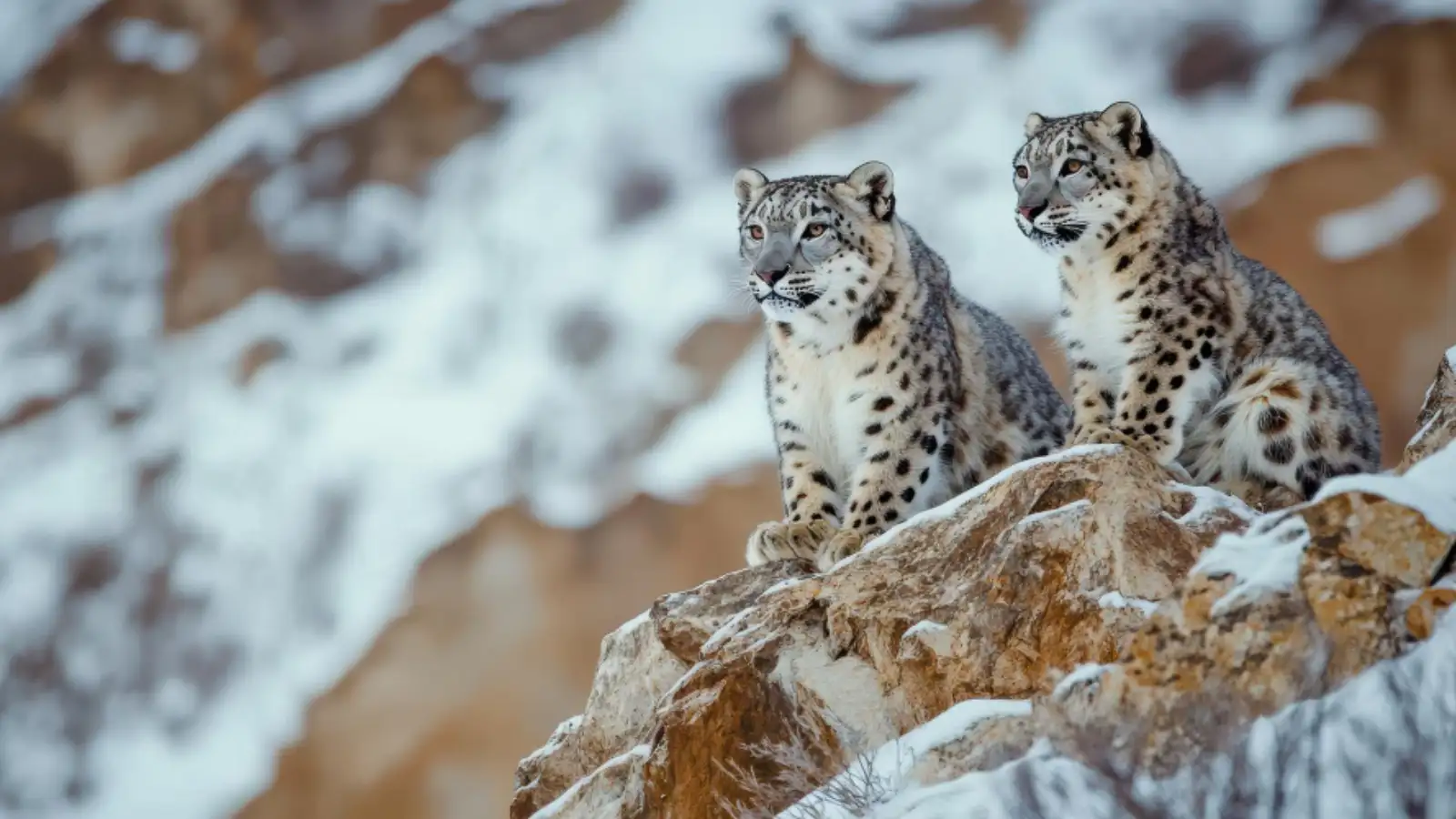
Even when standing in plain sight, a snow leopard can be remarkably difficult to distinguish from the landscape. Many experienced wildlife photographers have unknowingly looked directly at one before eventually spotting it only after careful observation.
This natural camouflage is one of the species' greatest advantages, helping it avoid detection by both prey and potential threats.
They are commonly found at elevations between 3,000 and 5,500 metres, where steep cliffs, rocky ridges and deep valleys make travel extremely challenging.
These remote habitats contain relatively few people, allowing snow leopards to live largely undisturbed while making scientific research and wildlife observation exceptionally difficult.
Each individual occupies a large territory that may cover hundreds of square kilometres, depending on the availability of prey.
Built to Blend Into the Mountains
The snow leopard's thick, smoky-grey coat is perfectly adapted to its surroundings. Dark rosettes and spots break up its outline, allowing it to blend seamlessly with rocky cliffs, snow-covered slopes and rugged terrain.Even when standing in plain sight, a snow leopard can be remarkably difficult to distinguish from the landscape. Many experienced wildlife photographers have unknowingly looked directly at one before eventually spotting it only after careful observation.
This natural camouflage is one of the species' greatest advantages, helping it avoid detection by both prey and potential threats.
Life in Remote and Rugged Terrain
Snow leopards inhabit some of the most inaccessible mountain ranges in the world, including parts of the Himalayas , the Karakoram, the Tian Shan and the Altai Mountains.They are commonly found at elevations between 3,000 and 5,500 metres, where steep cliffs, rocky ridges and deep valleys make travel extremely challenging.
These remote habitats contain relatively few people, allowing snow leopards to live largely undisturbed while making scientific research and wildlife observation exceptionally difficult.
Solitary by Nature
Unlike lions, which live in prides, snow leopards spend most of their lives alone. Adults typically meet only during the breeding season or when females are raising cubs.Each individual occupies a large territory that may cover hundreds of square kilometres, depending on the availability of prey.
Next Story