
How Excessive Screen Time Is Quietly Affecting Your Sleep

Phones, laptops, tablets, and televisions have become part of everyday life. Most people spend hours looking at screens for work, entertainment, or social media without realizing how deeply it affects sleep patterns.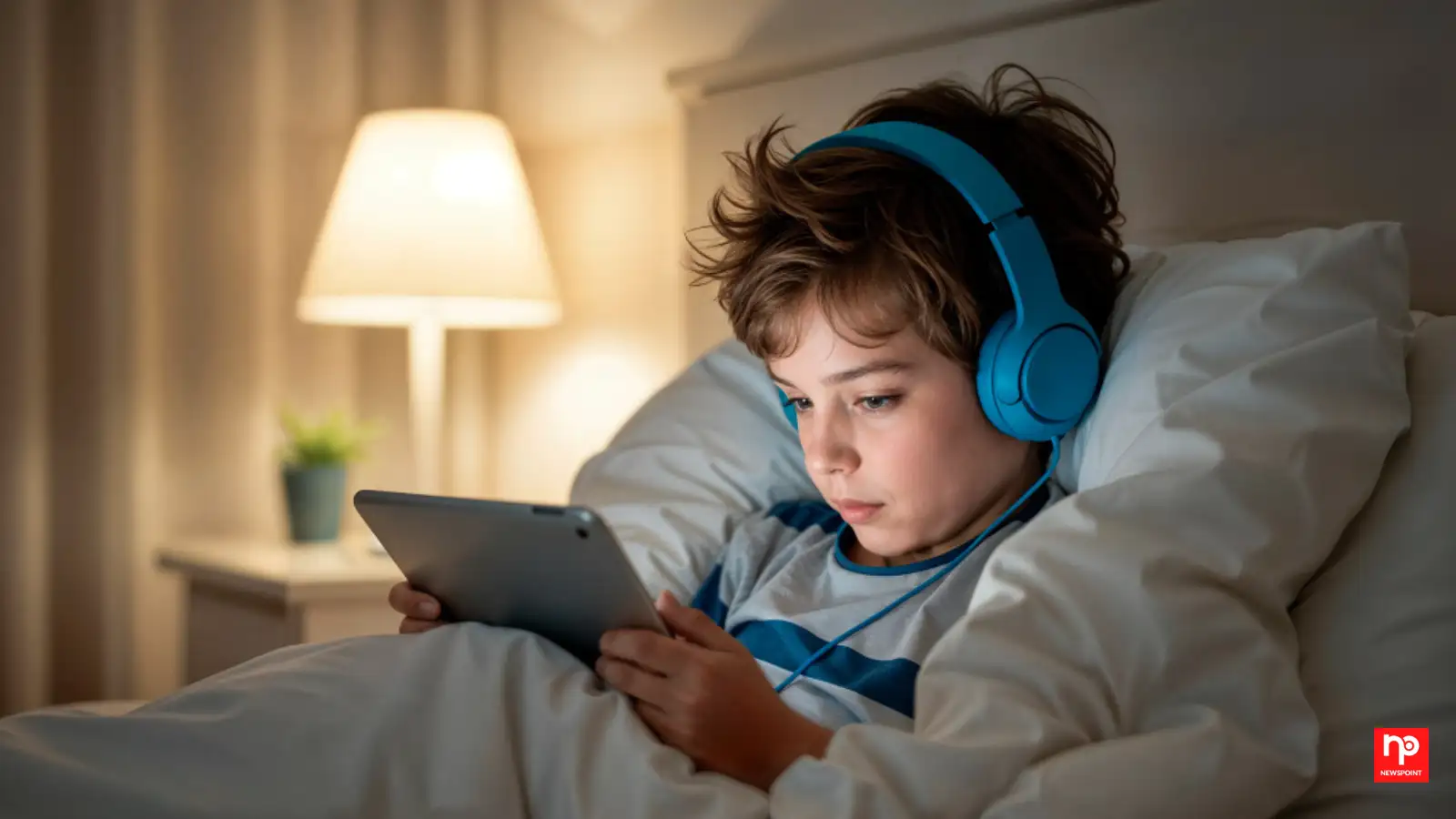
Many people struggle with poor sleep without connecting it to their nighttime screen habits. But growing research suggests that excessive screen exposure, especially before bed, may interfere with the body’s natural sleep cycle.
This is why scrolling through social media or watching videos late at night can make it harder to fall asleep, even when the body feels tired.
Poor sleep quality may eventually affect concentration, mood, productivity, and energy levels during the day.
People who regularly sleep poorly may notice irritability, brain fog, low motivation, and difficulty focusing. Over time, sleep deprivation may also increase the risk of lifestyle related health concerns.
Reducing screen use at least one hour before bedtime may help the brain relax naturally. Some people switch to reading books, stretching, or listening to calming music instead.
Using warm lighting in the evening and maintaining a fixed sleep schedule may also support better sleep quality.
Constant digital stimulation can make the brain more active before bedtime. Emotional content, stressful news, or endless notifications may also increase mental fatigue.
Creating boundaries with technology is becoming increasingly important in modern life.
Using screens mindfully, especially at night, can improve sleep quality and overall wellbeing. Better sleep often leads to better focus, mood, productivity, and energy throughout the day.
Simple habits repeated consistently usually create the biggest long term results.
Many people struggle with poor sleep without connecting it to their nighttime screen habits. But growing research suggests that excessive screen exposure, especially before bed, may interfere with the body’s natural sleep cycle.
The Role of Blue Light
Digital screens emit blue light, which can reduce melatonin production in the body. Melatonin is the hormone that helps people feel sleepy at night. When melatonin levels drop, the brain stays alert for longer periods.This is why scrolling through social media or watching videos late at night can make it harder to fall asleep, even when the body feels tired.
Poor sleep quality may eventually affect concentration, mood, productivity, and energy levels during the day.
Why Sleep Matters More Than People Think
Sleep is not just about resting. During sleep, the body repairs tissues, processes memories, and regulates hormones. Lack of quality sleep can slowly impact mental and physical health.People who regularly sleep poorly may notice irritability, brain fog, low motivation, and difficulty focusing. Over time, sleep deprivation may also increase the risk of lifestyle related health concerns.
Small Habits That Can Improve Sleep
Improving sleep quality does not always require major lifestyle changes. Sometimes small adjustments can make a noticeable difference.Reducing screen use at least one hour before bedtime may help the brain relax naturally. Some people switch to reading books, stretching, or listening to calming music instead.
You may also like
- 'Elegant' £45 Elizabeth Arden perfume reduced from £45 down to £20 in huge sale
- 'Straight ick': Olivia Rodrigo faces backlash for 'babydoll' dress at concert, netizens claim she is 'infantilising herself'
- Stress, lifestyle and skin health: Understanding the impact of Cortisol on ageing
- Why Progesterone Plays a Key Role During Implantation
- The Terrifying Future Vishnu Predicted for Kali Yuga's End
Using warm lighting in the evening and maintaining a fixed sleep schedule may also support better sleep quality.
The Impact of Late Night Content Consumption
Social media and short video platforms are designed to keep people engaged for long periods. Many users intend to spend five minutes online and end up scrolling for hours.Constant digital stimulation can make the brain more active before bedtime. Emotional content, stressful news, or endless notifications may also increase mental fatigue.
Creating boundaries with technology is becoming increasingly important in modern life.
Finding a Healthier Balance
Technology is not the enemy. Digital devices help people work, communicate, and learn efficiently. The real challenge is balance.Using screens mindfully, especially at night, can improve sleep quality and overall wellbeing. Better sleep often leads to better focus, mood, productivity, and energy throughout the day.
Simple habits repeated consistently usually create the biggest long term results.






More from our partners


Loving Newspoint? Download the app now
