
How Your Furniture Quietly Influences Your Mood and Mental Wellbeing

When people think about what affects their mood, they often consider relationships, work pressure, sleep, or daily habits. However, one influence often goes unnoticed: the furniture around us. The chair where we relax after a long day, the colour of our sofa, the arrangement of our tables, and even the materials used in our furniture can quietly shape how we feel. Interior designers and psychologists have long explored the connection between spaces and emotions, revealing that our surroundings are not just about appearance. The objects we live with can influence comfort, stress levels, productivity, and even our sense of belonging.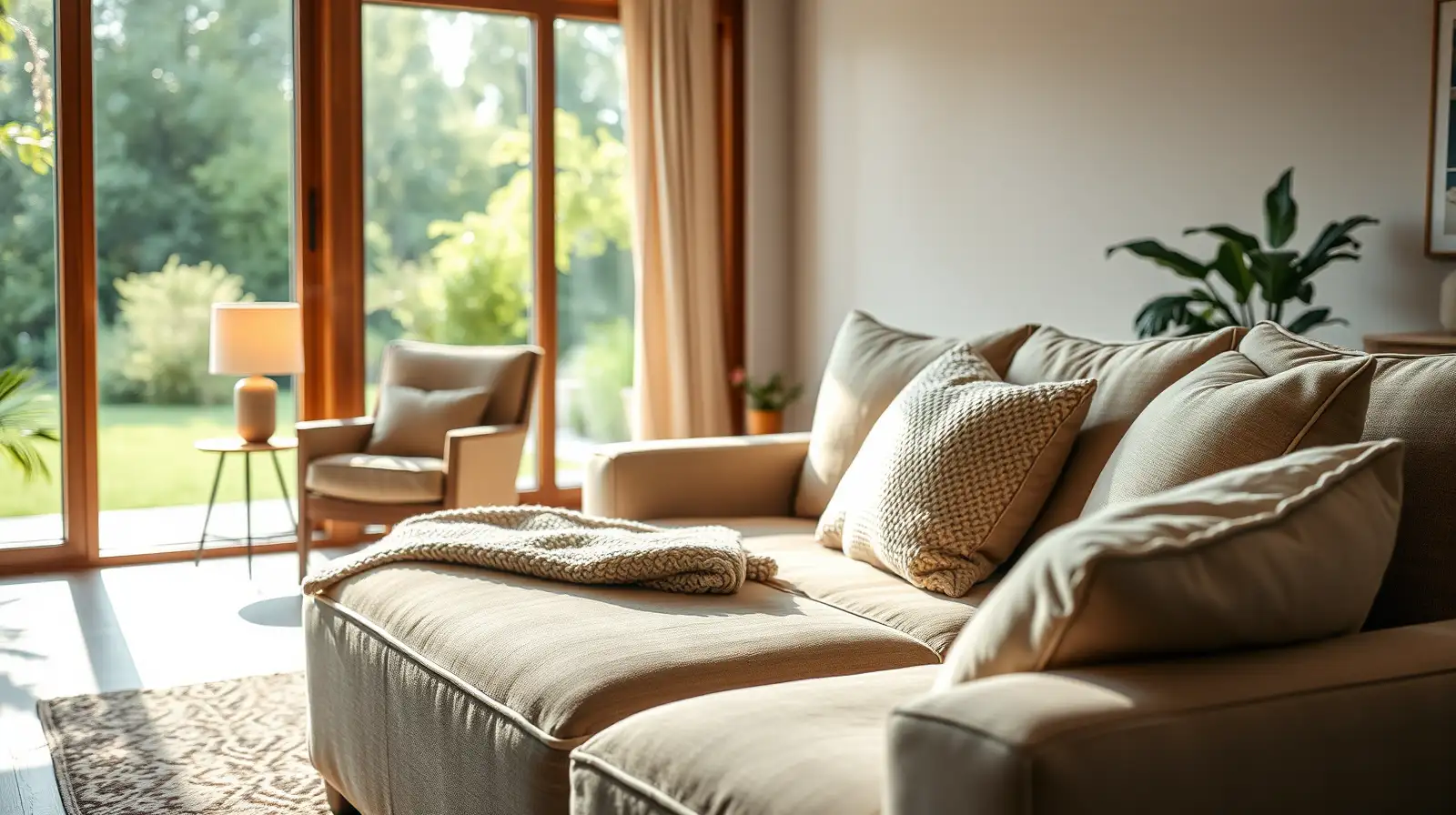
A comfortable armchair can create a feeling of relaxation because our brain associates softness and support with safety. Similarly, a cluttered room with poorly arranged furniture may create feelings of discomfort or mental distraction.
Environmental psychologists study how physical spaces influence human behaviour. Their research suggests that well-designed environments can encourage calmness, creativity, and positive emotions.
Open spaces often create a sense of freedom, while overcrowded rooms can make people feel restricted. Even small changes, such as moving a desk closer to natural light or creating a dedicated relaxation corner, can influence daily habits.
Historically, many traditional homes were designed around social interaction. Courtyards, communal seating areas, and open layouts reflected the importance of connection and shared experiences.
Colours also play an important role. Softer shades may create a peaceful atmosphere, while brighter colours can add energy and vibrancy to a room.
The Psychology Behind Furniture and Emotions
Furniture is more than a collection of practical objects. It forms the environment where we spend a significant part of our lives. The human brain constantly responds to visual and physical signals from our surroundings, including shapes, textures, colours, and organisation.A comfortable armchair can create a feeling of relaxation because our brain associates softness and support with safety. Similarly, a cluttered room with poorly arranged furniture may create feelings of discomfort or mental distraction.
Environmental psychologists study how physical spaces influence human behaviour. Their research suggests that well-designed environments can encourage calmness, creativity, and positive emotions.
Why Furniture Arrangement Matters More Than You Think
The position of furniture can subtly affect how people interact with a space. A living room where chairs face each other can encourage conversation and connection, while furniture arranged towards a television may promote passive activities.Open spaces often create a sense of freedom, while overcrowded rooms can make people feel restricted. Even small changes, such as moving a desk closer to natural light or creating a dedicated relaxation corner, can influence daily habits.
Historically, many traditional homes were designed around social interaction. Courtyards, communal seating areas, and open layouts reflected the importance of connection and shared experiences.
The Role of Colours, Shapes and Materials
The appearance of furniture can influence emotional responses. Natural materials such as wood are often associated with warmth and comfort, which is why wooden furniture has remained popular across cultures for centuries.Colours also play an important role. Softer shades may create a peaceful atmosphere, while brighter colours can add energy and vibrancy to a room.
Next Story