
Why This Common Household Item Took Centuries to Become What It Is Today

Many objects around us appear simple because we see them in their final form. A light switch, a refrigerator, a toilet or a washing machine may look like straightforward inventions, but reaching today’s versions often required centuries of experimentation, failures and scientific discoveries. Among household items, some took an incredibly long time to develop because they depended on advances in engineering, materials and human understanding. One of the best examples is the modern toilet , an object used every day by billions of people but shaped by thousands of years of history. Its journey shows how even the most ordinary household items can have extraordinary stories behind them.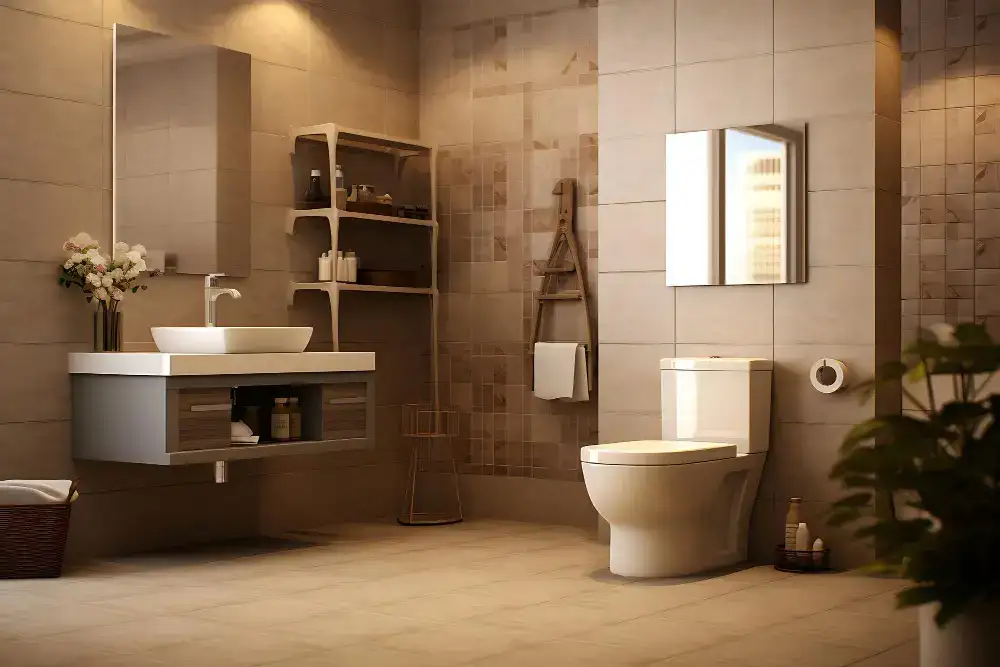
Ancient civilisations such as those in the Indus Valley, Egypt and Rome developed systems to remove waste and improve hygiene. The cities of the Indus Valley Civilisation, including Mohenjo-daro, had surprisingly advanced drainage systems dating back more than 4,000 years.
However, these early systems were very different from the private flushing toilets found in modern homes.
Although innovative, the design was not widely adopted because cities lacked proper sewage systems and reliable water infrastructure.
The invention needed many other developments before it could become practical for everyday households.
During the 19th century, growing cities faced serious sanitation problems, leading engineers to develop better sewage systems.
The work of inventors and engineers eventually transformed toilets from luxury items into essential household facilities.
The familiar “flush” depends on water movement, gravity and pressure. It is a simple action that represents centuries of improvement.
This combination of design and engineering is why the modern toilet remains one of the most successful household inventions.
These examples show that inventions are rarely created in a single moment. They are usually the result of generations of improvements.
The development of household items also reflects improvements in health, comfort and quality of life. The modern home exists because countless generations worked to solve everyday challenges.
The Toilet’s Ancient Beginning
The modern toilet has one of the longest and most fascinating development journeys among household inventions . Early forms of toilets existed thousands of years ago, proving that humans have always searched for better ways to manage sanitation.Ancient civilisations such as those in the Indus Valley, Egypt and Rome developed systems to remove waste and improve hygiene. The cities of the Indus Valley Civilisation, including Mohenjo-daro, had surprisingly advanced drainage systems dating back more than 4,000 years.
However, these early systems were very different from the private flushing toilets found in modern homes.
The Long Road Towards the Flushing Toilet
The idea of a flushing toilet began developing centuries later. In the 16th century, John Harington designed an early flushing toilet for Queen Elizabeth I’s residence.Although innovative, the design was not widely adopted because cities lacked proper sewage systems and reliable water infrastructure.
The invention needed many other developments before it could become practical for everyday households.
Why the Toilet Took So Long to Perfect
The challenge was not simply creating a device that removed waste. A successful toilet required a complete system involving clean water supply, drainage networks, waste treatment and public health planning.During the 19th century, growing cities faced serious sanitation problems, leading engineers to develop better sewage systems.
The work of inventors and engineers eventually transformed toilets from luxury items into essential household facilities.
The Hidden Science Behind a Simple Flush
A modern toilet uses careful engineering principles. The curved shape of the bowl, the water trap that blocks unpleasant smells and the flushing mechanism all work together to create a hygienic system.The familiar “flush” depends on water movement, gravity and pressure. It is a simple action that represents centuries of improvement.
This combination of design and engineering is why the modern toilet remains one of the most successful household inventions.
Other Household Items With Surprisingly Long Histories
Several other everyday objects also took centuries to evolve. Refrigerators required major advances in cooling technology before becoming common household appliances. Glass windows, beds and cooking tools also developed gradually over thousands of years.These examples show that inventions are rarely created in a single moment. They are usually the result of generations of improvements.
Why These Long Invention Journeys Matter Today
Understanding the history of household inventions helps people appreciate the technology hidden in ordinary objects. Many things we use without thinking represent centuries of human effort, experimentation and problem-solving.The development of household items also reflects improvements in health, comfort and quality of life. The modern home exists because countless generations worked to solve everyday challenges.
Next Story