
Why Some Birds Build Hanging Nests and How They Stay Secure

High above the ground, suspended from the tips of tree branches, hang some of the most remarkable homes in the natural world. These woven structures, built entirely by birds using grass, leaves, fibres and even spider silk, are masterpieces of natural engineering. While they may appear fragile, hanging nests are carefully designed to withstand strong winds, protect eggs from predators and provide a safe environment for raising chicks. Species such as weaver birds , orioles and sunbirds have perfected this skill over countless generations. Their nests are more than places to live. They are examples of how evolution, instinct and craftsmanship combine to create one of nature's most ingenious survival strategies.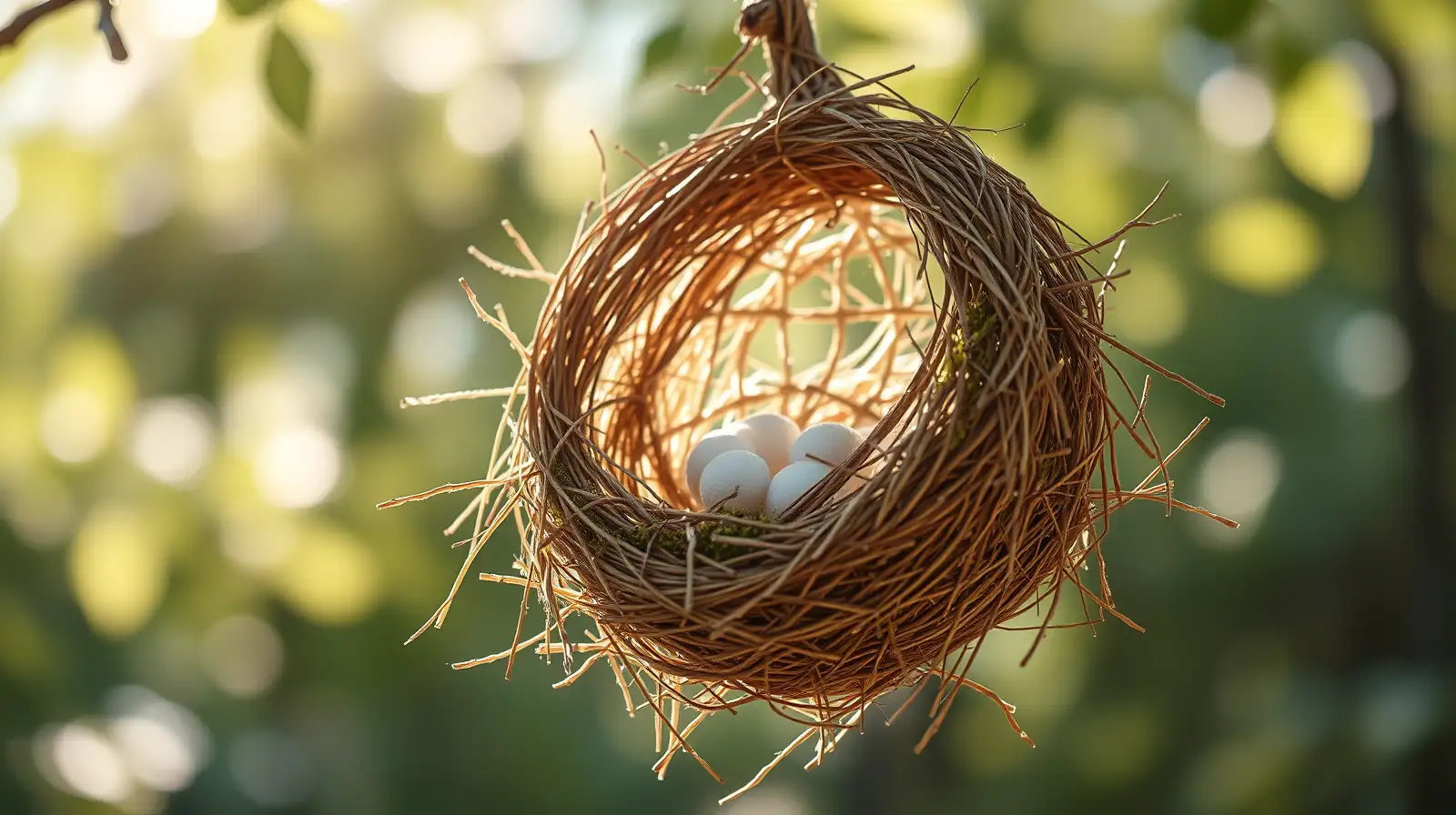
Many hanging nests have narrow, downward-facing entrances that create an additional obstacle for predators. Some species even choose thorny trees or branches hanging over water, making access even more difficult.
Although no nest is completely safe, these carefully selected locations greatly improve the chances of chicks surviving until they can fly.
Male weaver birds are among the most accomplished builders. They gather long strands of grass and weave them together using their beaks and feet, creating tightly woven structures that remain remarkably strong despite their lightweight design.
Females inspect each completed nest before deciding whether it is suitable for raising young. If the construction is poor, the male often has to begin again.
Flexible fibres absorb movement without breaking, much like suspension bridges that bend slightly during storms. Rainwater also drains away efficiently through the woven material, helping to keep the nest dry inside.
Birds often choose fresh, flexible grasses that tighten as they dry, making the finished structure even stronger over time.
Some birds strengthen their nests with strips of bark, fine roots or plant fibres. Others incorporate spider silk, which acts as a natural binding material due to its exceptional strength and elasticity.
Certain tropical birds even line the inside with soft feathers, cotton-like seeds or plant fluff to keep eggs warm and protect newly hatched chicks.
Male baya weavers, found across parts of Asia, build elaborate hanging nests before females arrive. The quality of the construction often determines whether the male will successfully attract a mate.
Researchers have found that females pay close attention to factors such as strength, shape and location. A well-built nest signals that the male is healthy, skilled and capable of providing a safe environment for future offspring.
Some birds deliberately build near bee or wasp colonies because predators are less likely to approach these insects. Others position nests where leaves provide natural shade, helping maintain a comfortable temperature during hot weather.
Scientists continue to study these remarkable structures for insights into lightweight engineering and sustainable design.
Gardeners and landowners can support nesting birds by preserving mature trees, planting native vegetation and avoiding unnecessary disturbance during the breeding season.
These simple actions help ensure that future generations can continue to witness one of nature's finest displays of craftsmanship.
Safety Is the Main Reason for Hanging Nests
One of the biggest advantages of a hanging nest is protection from predators. By placing their homes at the ends of thin branches, birds make it much harder for snakes, monkeys and other tree-climbing animals to reach their eggs.Many hanging nests have narrow, downward-facing entrances that create an additional obstacle for predators. Some species even choose thorny trees or branches hanging over water, making access even more difficult.
Although no nest is completely safe, these carefully selected locations greatly improve the chances of chicks surviving until they can fly.
Skilled Builders Learn Through Instinct
Unlike human architects, birds are not taught how to build by their parents. Instead, nest-building behaviour is largely guided by instinct, refined through evolution over millions of years.Male weaver birds are among the most accomplished builders. They gather long strands of grass and weave them together using their beaks and feet, creating tightly woven structures that remain remarkably strong despite their lightweight design.
Females inspect each completed nest before deciding whether it is suitable for raising young. If the construction is poor, the male often has to begin again.
Built to Survive Wind and Rain
Hanging nests may look delicate, but they are surprisingly resilient. Their woven design allows them to sway with strong winds rather than resisting the force directly.Flexible fibres absorb movement without breaking, much like suspension bridges that bend slightly during storms. Rainwater also drains away efficiently through the woven material, helping to keep the nest dry inside.
Birds often choose fresh, flexible grasses that tighten as they dry, making the finished structure even stronger over time.
Every Material Has a Purpose
Different bird species use a wide variety of building materials depending on their surroundings. Grass remains one of the most common because it is lightweight, flexible and easy to weave.Some birds strengthen their nests with strips of bark, fine roots or plant fibres. Others incorporate spider silk, which acts as a natural binding material due to its exceptional strength and elasticity.
Certain tropical birds even line the inside with soft feathers, cotton-like seeds or plant fluff to keep eggs warm and protect newly hatched chicks.
Hanging Nests Help Attract Mates
For many species, nest-building is not only about raising young but also about finding a partner.You may also like
- 7 Mistakes to Avoid Before Laser Hair Removal
- Kate Middleton brings back the timeless gingham dress and it's the easiest summer trend to copy
- 20 Amazing Benefits of Steam for Skin and Hair
- 10 Home Remedies to Treat Pimples on the Nose
- Rare monsoon twist: Goa and parts of the Western Ghats see lighter rain as East India gets drenched, what travellers need to know
Male baya weavers, found across parts of Asia, build elaborate hanging nests before females arrive. The quality of the construction often determines whether the male will successfully attract a mate.
Researchers have found that females pay close attention to factors such as strength, shape and location. A well-built nest signals that the male is healthy, skilled and capable of providing a safe environment for future offspring.
Lesser-Known Facts About Hanging Nests
Not all hanging nests look the same. Orioles build cup-shaped nests suspended between branches, while sunbirds create pouch-like nests that hang from twigs or vines.Some birds deliberately build near bee or wasp colonies because predators are less likely to approach these insects. Others position nests where leaves provide natural shade, helping maintain a comfortable temperature during hot weather.
Scientists continue to study these remarkable structures for insights into lightweight engineering and sustainable design.
Why Hanging Nests Matter Today
Understanding how birds build hanging nests helps conservationists protect important breeding habitats. Urban development, tree removal and climate change are reducing suitable nesting sites for many species.Gardeners and landowners can support nesting birds by preserving mature trees, planting native vegetation and avoiding unnecessary disturbance during the breeding season.
These simple actions help ensure that future generations can continue to witness one of nature's finest displays of craftsmanship.






Loving Newspoint? Download the app now
