
The World's Most Expensive Flowers and Why They Cost So Much

Flowers are often associated with beauty, celebration and affection, but some blooms command prices that are almost impossible to imagine. While most bouquets are affordable, a handful of rare flowers are valued at thousands, or even millions, of pounds due to their scarcity, difficulty of cultivation or extraordinary history. Some bloom for only a few hours, while others take years of careful care before producing a single flower. These remarkable plants are treasured by collectors, botanists and gardeners alike. Exploring the world's most expensive flowers reveals not only their stunning beauty but also the fascinating science, dedication and rarity that make them so valuable.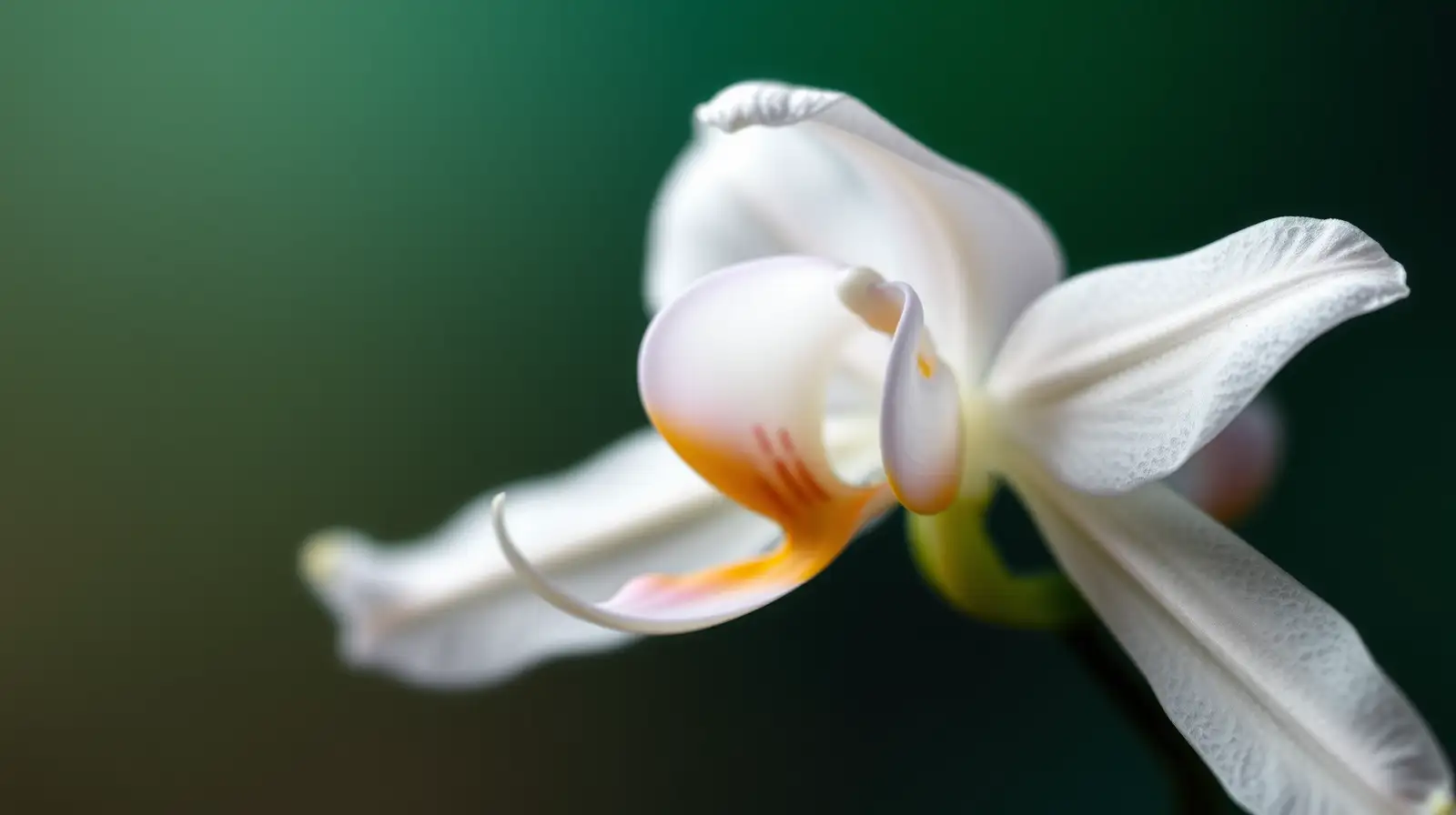
The famous Shenzhen Nongke Orchid is one of the best-known examples. Developed by Chinese agricultural researchers over several years, this orchid became famous after reportedly selling at auction for an extraordinary sum. Its value came not only from its beauty but also from the years of scientific research and patient cultivation behind it.
When demand greatly exceeds supply, even a single bloom can become highly prized.
The Kadupul flower from Sri Lanka is often described as priceless because it blooms only at night and wilts before dawn. Its incredibly short lifespan makes it almost impossible to harvest or sell commercially. Instead, its value lies in its rarity and the unforgettable experience of witnessing it bloom.
Some orchids also require several years of careful nurturing before they flower, adding to the time, effort and expense involved in growing them.
Species such as the Gold of Kinabalu Orchid are especially valuable because they are extremely rare in the wild. Native to Malaysia, this orchid grows naturally only in a limited area and takes many years before producing flowers. Strict conservation measures now protect it, making legally cultivated specimens highly sought after.
The global fascination with orchids has fuelled a thriving market among specialist growers and collectors.
During the seventeenth century, tulips became so valuable in the Netherlands that rare bulbs sold for prices comparable to houses during the famous period known as Tulip Mania. Although the bubble eventually burst, it remains one of history's most remarkable financial events linked to flowers.
Today, botanical gardens and conservation organisations work hard to preserve many rare flowering species, recognising their importance beyond commercial value.
Climate change, habitat loss and illegal collection have also increased the rarity of several species, pushing conservation efforts to the forefront. Scientists are using tissue culture and seed banking to help protect endangered flowers before they disappear from the wild.
These efforts ensure that future generations will still have the chance to appreciate these botanical treasures.
Protecting these plants also helps conserve the ecosystems in which they grow. As habitats face increasing pressure from development and climate change, preserving rare flowers becomes part of a much larger effort to safeguard the natural world.
Even common garden flowers can inspire greater appreciation once we understand the extraordinary diversity found across the plant kingdom.
Rarity Is the Biggest Reason Behind Their Value
Like precious gemstones or rare works of art, the value of a flower often depends on how difficult it is to find. Some species exist in only a handful of locations, while others require highly specific conditions to grow and bloom successfully.The famous Shenzhen Nongke Orchid is one of the best-known examples. Developed by Chinese agricultural researchers over several years, this orchid became famous after reportedly selling at auction for an extraordinary sum. Its value came not only from its beauty but also from the years of scientific research and patient cultivation behind it.
When demand greatly exceeds supply, even a single bloom can become highly prized.
Flowers That Take Years to Bloom
Patience plays a significant role in the value of many rare flowers. Certain species spend years building energy before producing their first blossoms.The Kadupul flower from Sri Lanka is often described as priceless because it blooms only at night and wilts before dawn. Its incredibly short lifespan makes it almost impossible to harvest or sell commercially. Instead, its value lies in its rarity and the unforgettable experience of witnessing it bloom.
Some orchids also require several years of careful nurturing before they flower, adding to the time, effort and expense involved in growing them.
Orchids Dominate the Luxury Flower Market
Among all flowering plants, orchids are widely regarded as the royalty of the floral world. Their intricate shapes, vibrant colours and remarkable diversity have captivated collectors for centuries.Species such as the Gold of Kinabalu Orchid are especially valuable because they are extremely rare in the wild. Native to Malaysia, this orchid grows naturally only in a limited area and takes many years before producing flowers. Strict conservation measures now protect it, making legally cultivated specimens highly sought after.
You may also like
- 7 Mistakes to Avoid Before Laser Hair Removal
- Kate Middleton brings back the timeless gingham dress and it's the easiest summer trend to copy
- 20 Amazing Benefits of Steam for Skin and Hair
- 10 Home Remedies to Treat Pimples on the Nose
- Rare monsoon twist: Goa and parts of the Western Ghats see lighter rain as East India gets drenched, what travellers need to know
The global fascination with orchids has fuelled a thriving market among specialist growers and collectors.
More Than Beauty Alone
The world's most expensive flowers are valued for much more than their appearance. Historical significance, cultural importance and scientific achievement often play equally important roles.During the seventeenth century, tulips became so valuable in the Netherlands that rare bulbs sold for prices comparable to houses during the famous period known as Tulip Mania. Although the bubble eventually burst, it remains one of history's most remarkable financial events linked to flowers.
Today, botanical gardens and conservation organisations work hard to preserve many rare flowering species, recognising their importance beyond commercial value.
Lesser-Known Facts About Rare Flowers
Some expensive flowers are surprisingly difficult to photograph because they bloom so briefly. Others rely on highly specialised pollinators found only in certain regions, making cultivation elsewhere extremely challenging.Climate change, habitat loss and illegal collection have also increased the rarity of several species, pushing conservation efforts to the forefront. Scientists are using tissue culture and seed banking to help protect endangered flowers before they disappear from the wild.
These efforts ensure that future generations will still have the chance to appreciate these botanical treasures.
Why Rare Flowers Matter Today
The fascination with expensive flowers goes beyond luxury. Many rare species contribute to biodiversity, support specialised insects and provide valuable information for botanical research.Protecting these plants also helps conserve the ecosystems in which they grow. As habitats face increasing pressure from development and climate change, preserving rare flowers becomes part of a much larger effort to safeguard the natural world.
Even common garden flowers can inspire greater appreciation once we understand the extraordinary diversity found across the plant kingdom.






Loving Newspoint? Download the app now
