
Why People Spend More Time Choosing Something to Watch Than Actually Watching It

Streaming services promised unlimited entertainment convenience. Yet many users now spend long periods scrolling through films and series without choosing anything quickly. Some even give up entirely after browsing for half an hour.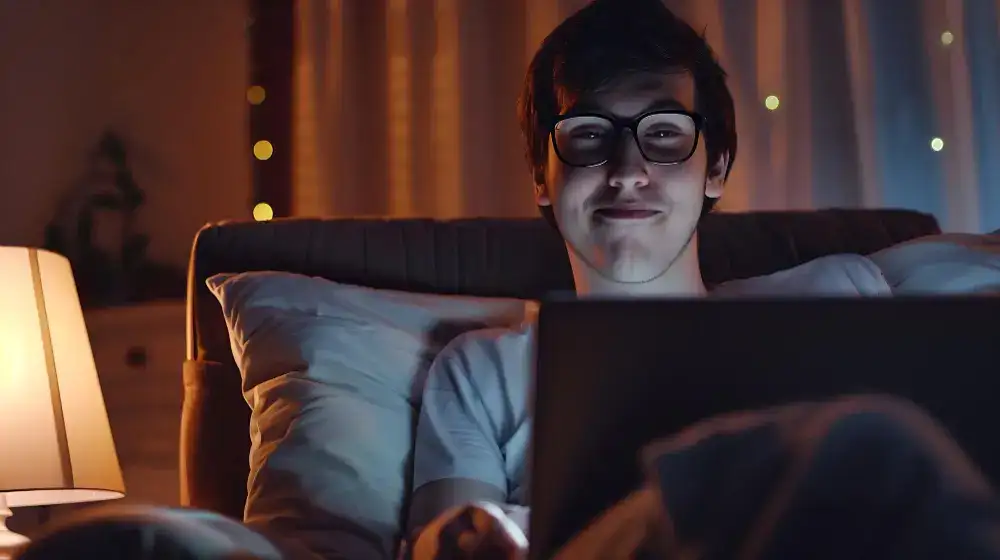
This surprisingly common behaviour is closely linked to modern digital overload.
Streaming platforms contain thousands of films, documentaries, and shows across multiple genres, making selection itself mentally exhausting.
While helpful in theory, these endless suggestions often create pressure to find the “perfect” viewing choice instead of simply enjoying something casually.
As a result, many viewers worry about choosing disappointing content that wastes precious relaxation hours. This creates hesitation before starting new programmes.
Users became accustomed to rapid stimulation and instant novelty, making slower films or long series feel harder to commit to immediately.
Now entertainment exists endlessly on demand, creating freedom but also decision pressure people rarely experienced before.
Ironically, unlimited choice sometimes makes relaxation feel more complicated rather than simpler.
This surprisingly common behaviour is closely linked to modern digital overload.
Endless Choice Makes Decisions Harder
Psychologists often explain that too many options can increase mental fatigue instead of improving satisfaction.Streaming platforms contain thousands of films, documentaries, and shows across multiple genres, making selection itself mentally exhausting.
Recommendation Algorithms Complicate Things
Apps constantly suggest trending titles, personalised recommendations, and newly released content.You may also like
- Top 5 shopping destinations in Mumbai for Eid-Al-Adha 2026
- Oprah Winfrey: Lessons on Empowerment and Resilience
- Why public toilet seats have gaps in them and why U-shaped toilet seats exist: What travellers should know
- Star Wars at 50: Princess Leia and the evolution of the Female Action Hero
- American tourist shares this one incredible thing common across India which can't be found anywhere else
While helpful in theory, these endless suggestions often create pressure to find the “perfect” viewing choice instead of simply enjoying something casually.
Fear of Wasting Time Plays a Role
People increasingly treat free time as valuable and limited.As a result, many viewers worry about choosing disappointing content that wastes precious relaxation hours. This creates hesitation before starting new programmes.
Short-Form Content Changed Attention Habits
Social media and short videos also influenced entertainment expectations.Users became accustomed to rapid stimulation and instant novelty, making slower films or long series feel harder to commit to immediately.
Entertainment Became Constantly Available
Earlier generations often watched whatever happened to be on television schedules.Now entertainment exists endlessly on demand, creating freedom but also decision pressure people rarely experienced before.
Ironically, unlimited choice sometimes makes relaxation feel more complicated rather than simpler.






More from our partners


Loving Newspoint? Download the app now
