
The Power of No: How Setting Boundaries Can Transform Your Life

In a world that often glorifies busyness and people-pleasing, saying "No" can feel uncomfortable—even selfish. However, learning to set boundaries and confidently decline requests is one of the most powerful ways to reclaim your time, energy, and mental well-being. Embracing the power of "no" can lead to profound personal growth, stronger relationships, and a more fulfilling life.
The Importance of Boundaries
Boundaries define what we are comfortable with and how we allow others to treat us. They help establish clear expectations in our personal and professional lives, preventing burnout, resentment, and emotional exhaustion. Without boundaries, we may find ourselves overcommitted, stressed, and unable to prioritize our own needs. By asserting our limits, we take control of our lives and create space for what truly matters.
How Saying No Empowers You
Protects Your Time and Energy – Every "yes" to something unimportant is a "no" to something meaningful. Learning to decline unnecessary obligations ensures that your time is spent on what aligns with your values and goals.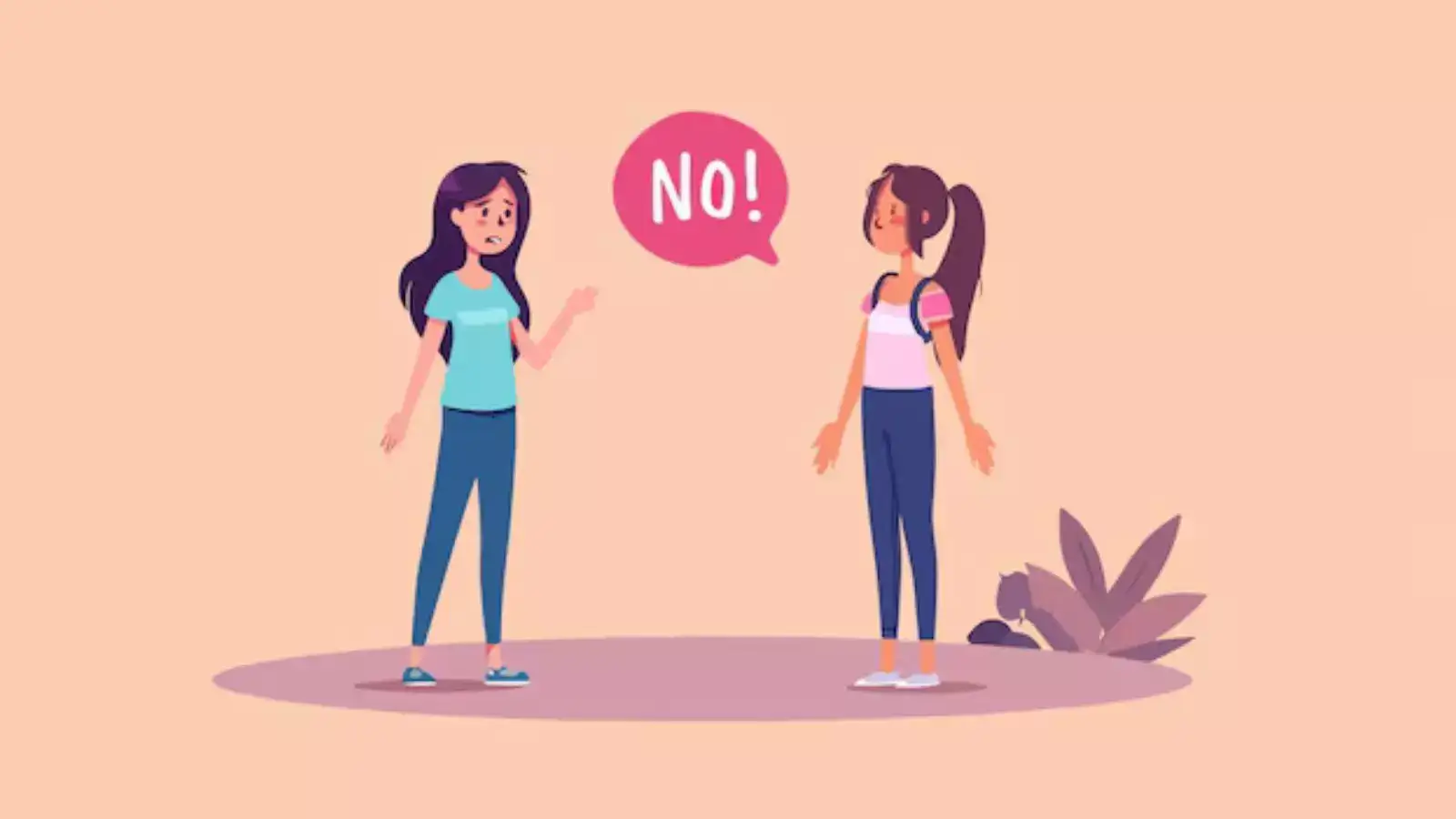
Boosts Self-Respect and Confidence – When you assert your needs, you reinforce your self-worth. Saying "No" communicates that you respect yourself and expect others to do the same.
Improves Relationships – Healthy boundaries lead to healthier relationships. When you set clear expectations, others will respect your limits, reducing misunderstandings and resentment.
Reduces Stress and Overwhelm – Overcommitting can drain you emotionally and physically. Declining tasks that do not serve you helps maintain balance and mental peace.
Enhances Decision Making – Saying "No" gives you the clarity to focus on meaningful opportunities rather than spreading yourself too thin.
How to Say No with Confidence
Saying "No" doesn’t have to be harsh or unkind. Here are a few ways to decline gracefully:
Be Direct but Polite – A simple "I appreciate the offer, but I have to decline" is both respectful and firm.
Offer an Alternative (If Appropriate) – If you want to help but can’t commit fully, suggest a different way to contribute.
Use “I” Statements – Expressing your feelings and limits with phrases like "I don’t have the bandwidth for this right now" makes your stance clear without being confrontational.
Practice Saying No – The more you do it, the easier it becomes. Start with small things and work your way up.
Saying "No" is not about rejecting others; it’s about prioritizing yourself. Setting boundaries is an act of self-care that enables you to lead a more intentional, fulfilling life. By embracing the power of "No," you give yourself permission to pursue what truly matters and create relationships based on mutual respect. Start today—your future self will thank you.
The Importance of Boundaries
Boundaries define what we are comfortable with and how we allow others to treat us. They help establish clear expectations in our personal and professional lives, preventing burnout, resentment, and emotional exhaustion. Without boundaries, we may find ourselves overcommitted, stressed, and unable to prioritize our own needs. By asserting our limits, we take control of our lives and create space for what truly matters.
How Saying No Empowers You
Protects Your Time and Energy – Every "yes" to something unimportant is a "no" to something meaningful. Learning to decline unnecessary obligations ensures that your time is spent on what aligns with your values and goals.
Boosts Self-Respect and Confidence – When you assert your needs, you reinforce your self-worth. Saying "No" communicates that you respect yourself and expect others to do the same.
Improves Relationships – Healthy boundaries lead to healthier relationships. When you set clear expectations, others will respect your limits, reducing misunderstandings and resentment.
Reduces Stress and Overwhelm – Overcommitting can drain you emotionally and physically. Declining tasks that do not serve you helps maintain balance and mental peace.
Enhances Decision Making – Saying "No" gives you the clarity to focus on meaningful opportunities rather than spreading yourself too thin.
How to Say No with Confidence
Saying "No" doesn’t have to be harsh or unkind. Here are a few ways to decline gracefully:
You may also like
- India had a man who dined with Mao, advised Nehru, and wrote Malayalam poetry: Narayani Basu's masterful biography finally tells the forgotten story of K.M. Panikkar
- Understanding High Vaginal Swab Tests: Purpose, Procedure, and Results
- Bank Holiday Today: Are banks open or closed today, Saturday, July 25? Clear up any confusion before you step out..
- Anamika Khanna opens India Couture Week 2026 with a dreamlike 'Moonlit Palace' showcase in Hyderabad
- Simhastha Kumbh Mela 2027: From temples to tirthas, 16 heritage projects take shape ahead of Kumbh 2027
Be Direct but Polite – A simple "I appreciate the offer, but I have to decline" is both respectful and firm.
Offer an Alternative (If Appropriate) – If you want to help but can’t commit fully, suggest a different way to contribute.
Use “I” Statements – Expressing your feelings and limits with phrases like "I don’t have the bandwidth for this right now" makes your stance clear without being confrontational.
Practice Saying No – The more you do it, the easier it becomes. Start with small things and work your way up.
Saying "No" is not about rejecting others; it’s about prioritizing yourself. Setting boundaries is an act of self-care that enables you to lead a more intentional, fulfilling life. By embracing the power of "No," you give yourself permission to pursue what truly matters and create relationships based on mutual respect. Start today—your future self will thank you.






Loving Newspoint? Download the app now
