
Why Every Teapot Needs A Small Vent Hole On Top

Have you ever noticed the tiny hole on the lid of your teapot and wondered why it’s there? While it might seem like a minor design detail, that small hole plays a crucial role in brewing the perfect cup of tea. Understanding its purpose not only gives you insight into teapot design but also helps you avoid common tea-making mishaps.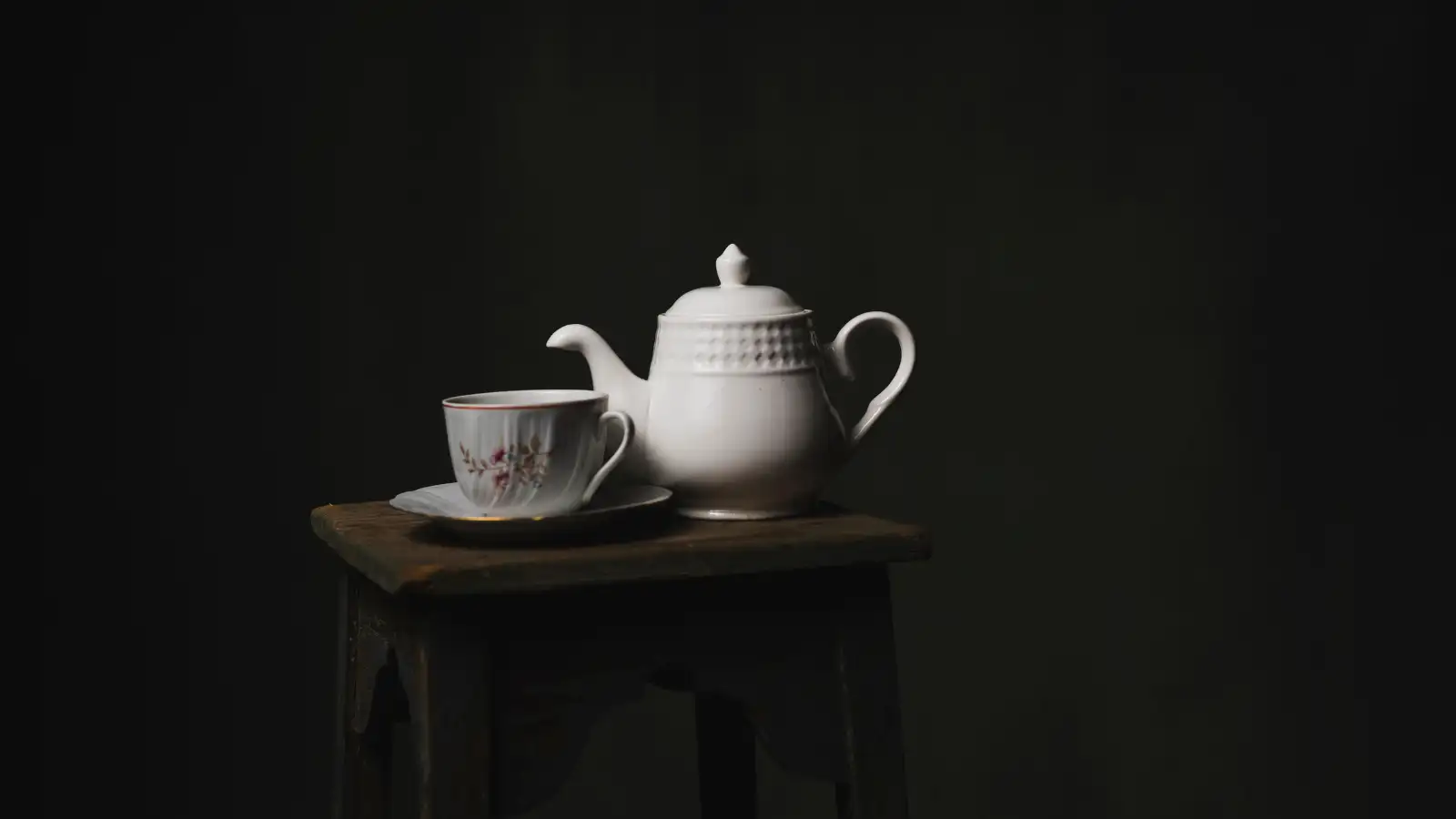
The tiny hole on top of a teapot lid is called a vent hole. Its primary function is to allow air to escape while pouring, preventing the lid from jiggling or creating a vacuum. Without this vent, the flow of tea can be uneven or even cause the lid to lift unexpectedly, leading to spills. Essentially, the vent hole ensures a smooth, controlled pour every time.
Read More: Cruise Ship Motion Explained: Why They Stay Calm In Waves
Another important reason for the vent hole is pressure regulation. When hot water is poured into a teapot, steam is produced. The vent hole allows this steam to escape, reducing internal pressure and preventing the lid from rattling or shifting. This is especially important in ceramic or glass teapots, which can be delicate and prone to cracking if steam pressure builds up.
The vent hole also has a practical side for tea brewing. By letting air in, it helps the tea infuse evenly, allowing flavours to develop fully. Some teapots are designed with very small holes to balance airflow and temperature, ensuring your tea stays hot without splattering when poured.
Interestingly, the design of teapots varies across cultures. In Chinese and Japanese teapots, the vent hole is often paired with a perfectly fitted spout and lid to optimise brewing. In modern teapots, especially those made of glass, the vent may also help prevent condensation from dripping back onto the tea, maintaining the right flavour and aroma.
In short, the tiny hole on top of your teapot is more than just a simple feature. It’s a clever design element that ensures safety, smooth pouring, and a perfectly brewed cup of tea. Next time you enjoy your favourite blend, you can appreciate how such a small detail contributes to the art of tea-making.
The tiny hole on top of a teapot lid is called a vent hole. Its primary function is to allow air to escape while pouring, preventing the lid from jiggling or creating a vacuum. Without this vent, the flow of tea can be uneven or even cause the lid to lift unexpectedly, leading to spills. Essentially, the vent hole ensures a smooth, controlled pour every time.
Read More: Cruise Ship Motion Explained: Why They Stay Calm In Waves
You may also like
- Euphoria Season 3 Dialogues: Zendaya's Brutal Dialogues Signals a Dark New Beginning
- Parents spot son on a poster for the first time; he says, 'This moment means everything'
- A Great Opportunity to Get a PAN Card: Apply Using Just Your Aadhaar—March 31st is the Deadline...
- Digital Door Lock: Preventing Accidents While Ensuring Security—Here Is the Emergency Exit Solution for Smart Locks..
- How to Book Online Darshan at Jhandewalan Mata Temple? Here is the Complete Process—No More Standing in Long Queues..
Another important reason for the vent hole is pressure regulation. When hot water is poured into a teapot, steam is produced. The vent hole allows this steam to escape, reducing internal pressure and preventing the lid from rattling or shifting. This is especially important in ceramic or glass teapots, which can be delicate and prone to cracking if steam pressure builds up.
The vent hole also has a practical side for tea brewing. By letting air in, it helps the tea infuse evenly, allowing flavours to develop fully. Some teapots are designed with very small holes to balance airflow and temperature, ensuring your tea stays hot without splattering when poured.
Interestingly, the design of teapots varies across cultures. In Chinese and Japanese teapots, the vent hole is often paired with a perfectly fitted spout and lid to optimise brewing. In modern teapots, especially those made of glass, the vent may also help prevent condensation from dripping back onto the tea, maintaining the right flavour and aroma.
In short, the tiny hole on top of your teapot is more than just a simple feature. It’s a clever design element that ensures safety, smooth pouring, and a perfectly brewed cup of tea. Next time you enjoy your favourite blend, you can appreciate how such a small detail contributes to the art of tea-making.






More from our partners


Loving Newspoint? Download the app now
