
Protecting Young Eyesight: How Sunlight and Smart Habits Prevent Early Myopia

Childhood vision issues often develop so gradually that parents and educators barely notice the initial warning signs. In recent years, healthcare professionals have observed a dramatic, worldwide shift in pediatric eye health as young children experience unprecedented rates of nearsightedness. Modern lifestyles filled with digital screens, intense academic pressures, and indoor activities have reshaped how young eyes grow and adapt. Understanding how this condition takes root during early development is the most critical step toward preserving a child's lifelong sight.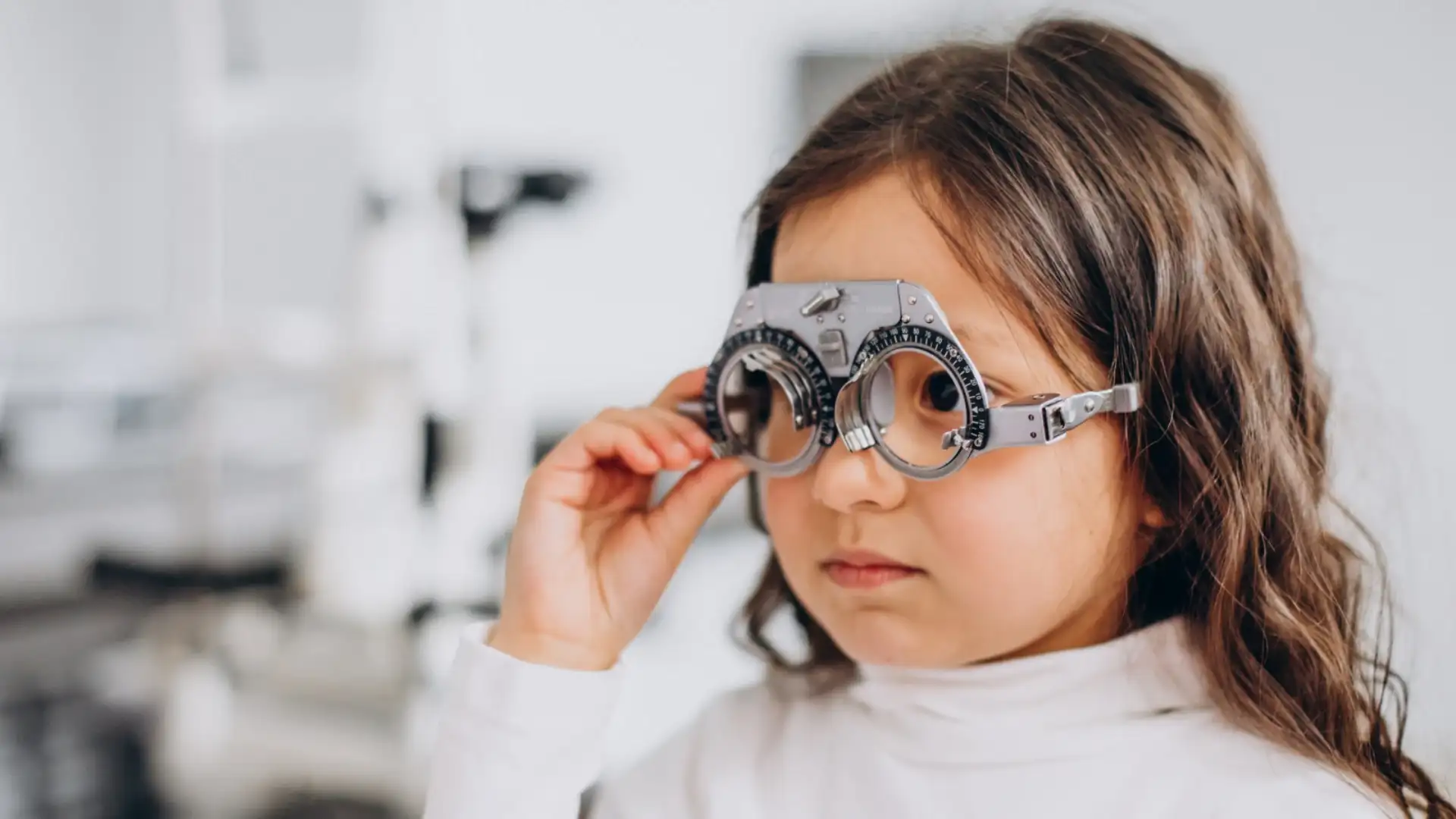
1. The Growing Global Epidemic of Childhood Myopia
Pediatric eye health specialists around the world are raising concerns about the rapid escalation of childhood myopia. Often developing quietly without obvious pain or early symptoms, nearsightedness causes distant objects to appear blurry while close-up items remain clear. What was once considered a minor, easily corrected inconvenience of wearing glasses has evolved into a significant global health concern. Health organizations project that without active lifestyle changes, nearly half of the global population could be myopic in the coming decades, with the onset happening at increasingly younger ages.2. Why Early Childhood Years Are Critical
A child's eyes undergo rapid physical growth and structural development during early childhood. During these formative years, the eyeball stretches naturally to reach proper proportions. However, when myopia develops early, the eye elongates too quickly or excessively from front to back. This structural distortion alters how light hits the retina. Because an elongated eyeball cannot revert to its original shape, early-onset myopia tends to progress far more aggressively throughout a child's school years compared to myopia that begins in adolescence.You may also like
- Nvidia CEO Jensen Huang was asked to name the smartest person he has ever met; he refused to answer, but then explained why it's complicated as AI changes the definition of 'smart'
- Recruitment for Anganwadi Helpers in UP for Women Who Have Passed Class 12; Opportunity to Apply for Thousands of Posts
- How to get the Pink Saheli Smart Card for free bus travel in Delhi? Know the process
- Local Police to Issue e-Challans; Crackdown on Traffic Violations in Delhi
- Timely premium payment is mandatory; customer denied claim even by the Supreme Court
3. The Impact of Digital Screens and Prolonged Near-Work
Modern childhood environments are heavily dominated by close-range visual activities. Hours spent staring closely at smartphones, tablets, handheld games, and computers, combined with intense academic reading, strain the internal focusing muscles of the eye. Holding screens too close to the face forces the eye mechanism to work continuously under high tension. This sustained near-focus accommodation triggers biological signals that encourage the eyeball to stretch unnaturally, accelerating the onset of nearsightedness.4. The Protective Power of Natural Outdoor Light
One of the most effective, science-backed defenses against childhood myopia is simple outdoor play. Exposure to natural bright sunlight stimulates the release of dopamine within the retina, a crucial neurotransmitter that acts as a natural brake against excessive eye elongation. Indoors, artificial lighting is significantly dimmer than natural daylight and fails to provide the same protective stimulation. Research indicates that spending at least two hours outdoors daily substantially lowers a child's risk of developing nearsightedness, regardless of genetic predisposition.5. Long-Term Health Risks of High Myopia
Failing to slow down progressive myopia during early childhood carries consequences far beyond needing thicker prescription lenses. Severe or high myopia significantly increases the risk of vision-threatening eye conditions later in adult life. An excessively stretched eyeball pulls on internal tissues, heightening the likelihood of retinal detachment, myopic macular degeneration, early-onset cataracts, and glaucoma. Protecting a child's eyesight today directly preserves their ocular health into adulthood.6. Practical Steps Parents Can Take Today
Preventing and managing childhood myopia requires a proactive balance between modern technology and outdoor lifestyle habits:- Enforce the 20-20-20 Rule: Encourage children to take a 20-second break every 20 minutes by looking at an object at least 20 feet away to relax their eye muscles.
- Prioritize Daily Outdoor Time: Ensure your child spends 90 to 120 minutes outdoors every day in natural sunlight.
- Maintain Healthy Viewing Distances: Keep screens and reading materials at least an arm's length away from your child's eyes, avoiding tablet use in pitch-black rooms.
- Schedule Annual Eye Examinations: Comprehensive eye tests can catch subtle vision shifts early, allowing optometrists to recommend specialized optical treatments like myopia-control lenses or eye drops.






Loving Newspoint? Download the app now
