
Why More People Are Using Guava Leaves Beyond the Fruit

Guava fruit has always been popular in many households, but the leaves of the tree were once valued almost as highly as the fruit itself. Older generations often used guava leaves in home remedies, teas, and traditional routines long before wellness trends made herbal ingredients fashionable again.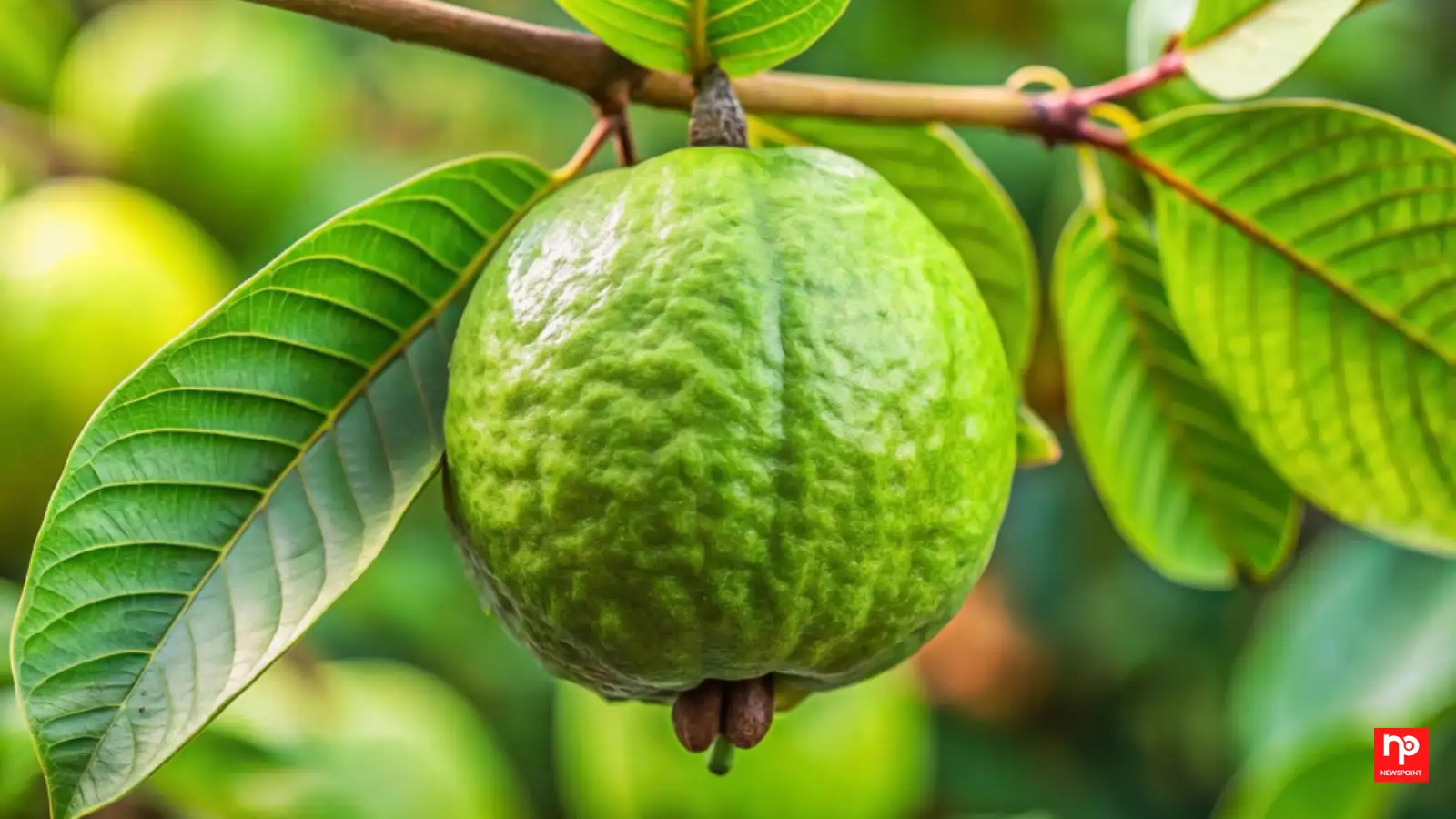
Now, interest in guava leaves is slowly returning.
Modern research has explored some of these claims further, particularly because guava leaves contain plant compounds such as antioxidants and natural antibacterial properties .
While they are not miracle cures, scientists have shown growing interest in how these compounds may support overall wellness when used sensibly.
Homemade herbal teas, natural rinses, and traditional kitchen remedies have all seen renewed interest over the past few years.
Guava leaf tea , for example, has developed a following among people looking for caffeine-free drinks with a mild earthy flavour.
Leaves, bark, and even raw guavas played roles in traditional home practices. In many families, knowledge about these uses was passed down casually rather than written formally.
As urban living expanded, much of that everyday plant knowledge gradually faded.
Guava leaves may contain useful compounds, but they are not replacements for professional healthcare or balanced nutrition.
Still, there is value in rediscovering overlooked ingredients that connect people to older food traditions and simpler habits.
In a world dominated by fast convenience, people are increasingly drawn to routines that feel grounded, familiar, and less industrial.
Guava leaves represent something larger than wellness trends. They reflect how ordinary plants once played a much bigger role in everyday life than many people remember today.
Now, interest in guava leaves is slowly returning.
Why Guava Leaves Were Traditionally Used
In many parts of Asia and Latin America, guava leaves were commonly boiled into tea or crushed for simple household uses. Traditional practices associated them with digestion, oral hygiene, and skin care.Modern research has explored some of these claims further, particularly because guava leaves contain plant compounds such as antioxidants and natural antibacterial properties .
While they are not miracle cures, scientists have shown growing interest in how these compounds may support overall wellness when used sensibly.
The Rise of Herbal Everyday Habits
One reason guava leaves are gaining attention again is the broader shift towards simple plant-based routines. Many people are becoming more curious about ingredients that were commonly used before highly processed products dominated supermarket shelves.Homemade herbal teas, natural rinses, and traditional kitchen remedies have all seen renewed interest over the past few years.
Guava leaf tea , for example, has developed a following among people looking for caffeine-free drinks with a mild earthy flavour.
Why Older Gardens Often Had Guava Trees
Guava trees were once common in family gardens because they required relatively little maintenance while producing useful fruit for much of the year. But households often used more than just the fruit itself.You may also like
- Revamped Anemia-Free India Campaign: New Guidelines Unveiled
- “Our daughter is not a defective toy”: They were told to 'replace' her and what her parents did will remain an example forever
- Essential Tips for Maintaining a Fresh Wardrobe During the Rainy Season
- Unlocking the Health Benefits of Flavanols: A Guide to Better Nutrition
- Understanding Maternal Heart Health: The Importance of Postpartum Care
Leaves, bark, and even raw guavas played roles in traditional home practices. In many families, knowledge about these uses was passed down casually rather than written formally.
As urban living expanded, much of that everyday plant knowledge gradually faded.
The Difference Between Tradition and Trend
One important distinction is that traditional ingredients should not automatically be treated as medical solutions. Social media sometimes exaggerates claims around herbal products without proper evidence.Guava leaves may contain useful compounds, but they are not replacements for professional healthcare or balanced nutrition.
Still, there is value in rediscovering overlooked ingredients that connect people to older food traditions and simpler habits.
Why People Find These Traditions Appealing Again
Part of the appeal lies in slowing down. Preparing herbal tea from fresh leaves or using ingredients from a home garden feels more personal than relying entirely on packaged products.In a world dominated by fast convenience, people are increasingly drawn to routines that feel grounded, familiar, and less industrial.
Guava leaves represent something larger than wellness trends. They reflect how ordinary plants once played a much bigger role in everyday life than many people remember today.






More from our partners


Loving Newspoint? Download the app now
