
Homemade Snacks Make a Comeback: Why People Are Moving Away From Packaged Food

For decades, supermarket aisles filled with colourful plastic wrappers, foil crisp packets, and instant biscuits dominated modern snacking habits. Pre-packaged nibbles offered ultimate convenience for busy office workers, schoolchildren, and families on the go. However, as medical research continues to highlight the health risks associated with ultra-processed foods loaded with artificial preservatives, excessive sodium, and hidden sugars, a quiet culinary revolution is underway. Consumers across urban centres are stepping away from factory-made treats and heading back to their kitchens. Understanding the return of homemade snacks in the age of packaged food highlights a growing desire for genuine nutrition, authentic flavours, and mindful living.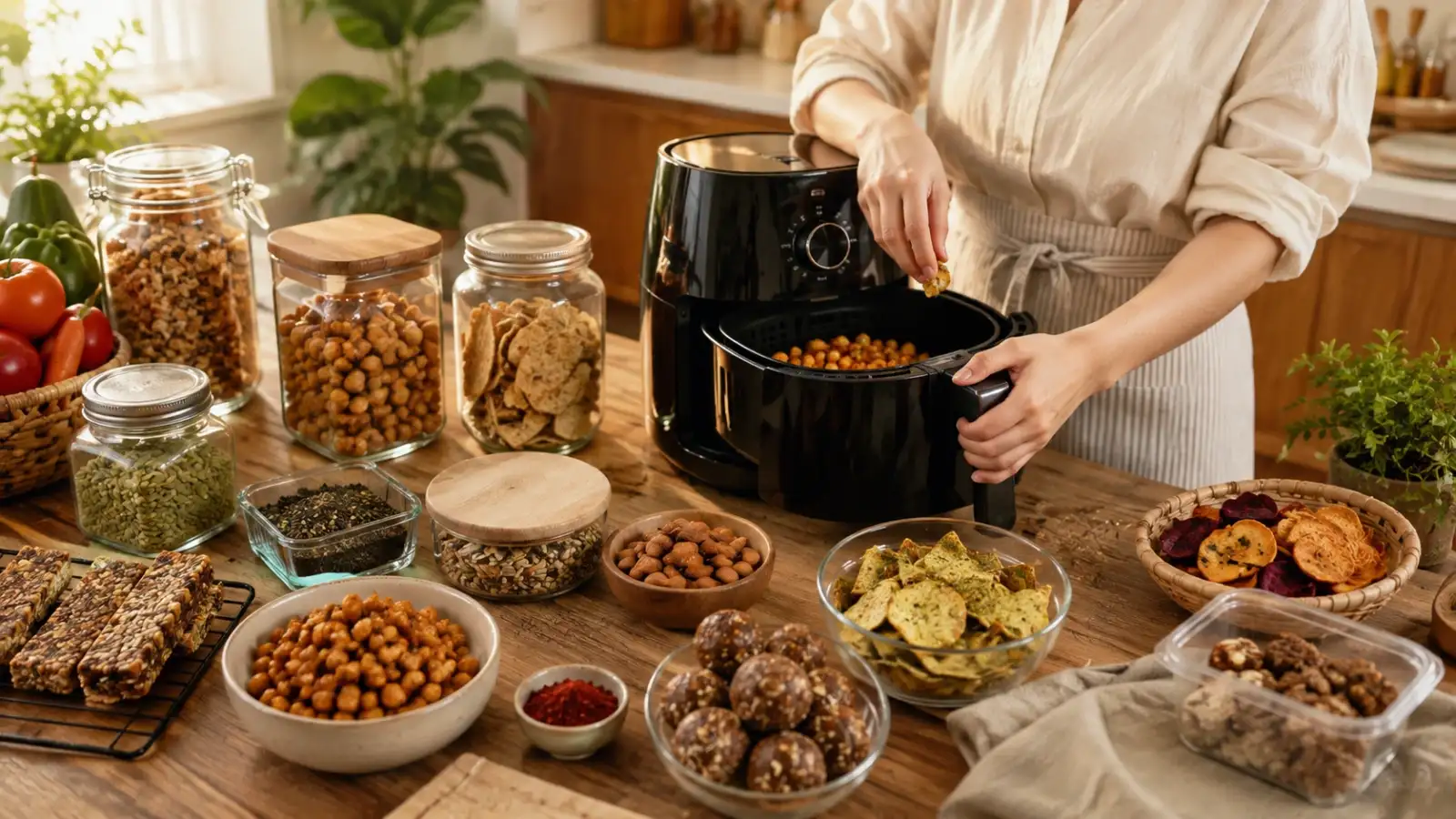
By making nibbles from scratch, individuals regain greater control over their dietary intake. Home cooks can swap refined flour for nutrient-rich whole grains and ingredients such as ragi, oats, or chickpea flour. They can replace industrial seed oils with small quantities of cold-pressed oil or ghee while carefully controlling salt and sweetener levels. Roasted nuts, homemade soya kebabs, baked vegetable crisps, and spiced seed mixtures offer protein and slow-release energy, helping avoid the afternoon fatigue associated with sugary store-bought alternatives.
Compact air fryers, high-speed food processors, and multifunctional baking appliances allow home cooks to recreate crisp, savoury snacks in minutes using minimal oil. Furthermore, short-form online video tutorials, creative food blogs, and social media fitness coaches share effortless batch-cooking techniques daily. People can now learn how to make high-protein lentil bites, air-fried chickpeas, or homemade energy bars in large batches over the weekend, ensuring healthy bites remain readily available throughout the workweek.
Additionally, preparing food at home fosters a deeper sense of mindfulness and emotional connection. Taking twenty minutes to roast seeds or bake wholesome biscuits offers a therapeutic break from screen time and workplace stress. The return of homemade snacks in the age of packaged food demonstrates that people are willing to trade artificial convenience for long-term vitality, superior taste, and greater kitchen self-reliance.
Reclaiming Control Over Ingredients and Nutritional Value
The primary driver behind this shift towards homemade bites is a desire to know exactly what goes into our daily food. Commercially packaged snacks rely heavily on refined flour, palm oil, artificial colourings, and chemical stabilisers designed to lengthen shelf life rather than nourish the human body. These hyper-palatable snacks can trigger overeating without providing essential dietary fibre or vital micronutrients.By making nibbles from scratch, individuals regain greater control over their dietary intake. Home cooks can swap refined flour for nutrient-rich whole grains and ingredients such as ragi, oats, or chickpea flour. They can replace industrial seed oils with small quantities of cold-pressed oil or ghee while carefully controlling salt and sweetener levels. Roasted nuts, homemade soya kebabs, baked vegetable crisps, and spiced seed mixtures offer protein and slow-release energy, helping avoid the afternoon fatigue associated with sugary store-bought alternatives.
You may also like
- 5 common bra fit myths we've all believed at some point
- Passenger carrying 'Monkey Skull' in bag detained at Delhi airport by CISF; wildlife case now under investigation
- NHAI: A ₹5,000 fine for a one-minute delay—understand the minute-by-minute penalty structure on national highways.
- Shraddha Kapoor just gave the classic angrakha a stunning makeover: See her ₹33,800 festive look
- Why this family decided to leave America for a small European country: 'We sold our house, both of our cars, and everything we owned'
Digital Inspiration and Modern Kitchen Innovations
Preparing food at home was once perceived as a time-consuming, laborious chore that clashed with fast-paced modern schedules. Today, innovative kitchen technology and accessible digital media have made home preparation remarkably fast, simple, and engaging.Compact air fryers, high-speed food processors, and multifunctional baking appliances allow home cooks to recreate crisp, savoury snacks in minutes using minimal oil. Furthermore, short-form online video tutorials, creative food blogs, and social media fitness coaches share effortless batch-cooking techniques daily. People can now learn how to make high-protein lentil bites, air-fried chickpeas, or homemade energy bars in large batches over the weekend, ensuring healthy bites remain readily available throughout the workweek.
Financial Savings and Mindful Cooking Habits
Beyond physical wellness, economic considerations play a significant role in this cultural revival. The cost of branded packaged goods has steadily risen, while container sizes continue to shrink. Buying raw, whole ingredients in bulk, such as legumes, seeds, whole grains, and fresh vegetables, can prove far more economical than purchasing individual, single-serving plastic packets every week.Additionally, preparing food at home fosters a deeper sense of mindfulness and emotional connection. Taking twenty minutes to roast seeds or bake wholesome biscuits offers a therapeutic break from screen time and workplace stress. The return of homemade snacks in the age of packaged food demonstrates that people are willing to trade artificial convenience for long-term vitality, superior taste, and greater kitchen self-reliance.






Loving Newspoint? Download the app now
