
Gen Z Food Trend: Why One-Pot Cooking Is Taking Over Modern Kitchens

Modern culinary habits are undergoing a quiet transformation, led by a generation that values speed, sustainability, and creative expression over traditional kitchen routines. For years, traditional home cooking involved using multiple pans, boiling pots, and frying skillets simultaneously, resulting in a sink overflowing with dirty dishes. Today, younger adults are stepping away from complex meal preparation in favour of a far more practical alternative. From viral creamy pasta creations to spiced rice bowls and hearty legume stews, single-vessel meals are dominating social media feeds and student kitchens alike. The rise of one-pot cooking among Gen Z reflects a broader lifestyle shift towards low-stress, budget-friendly, and flavour-packed home dining.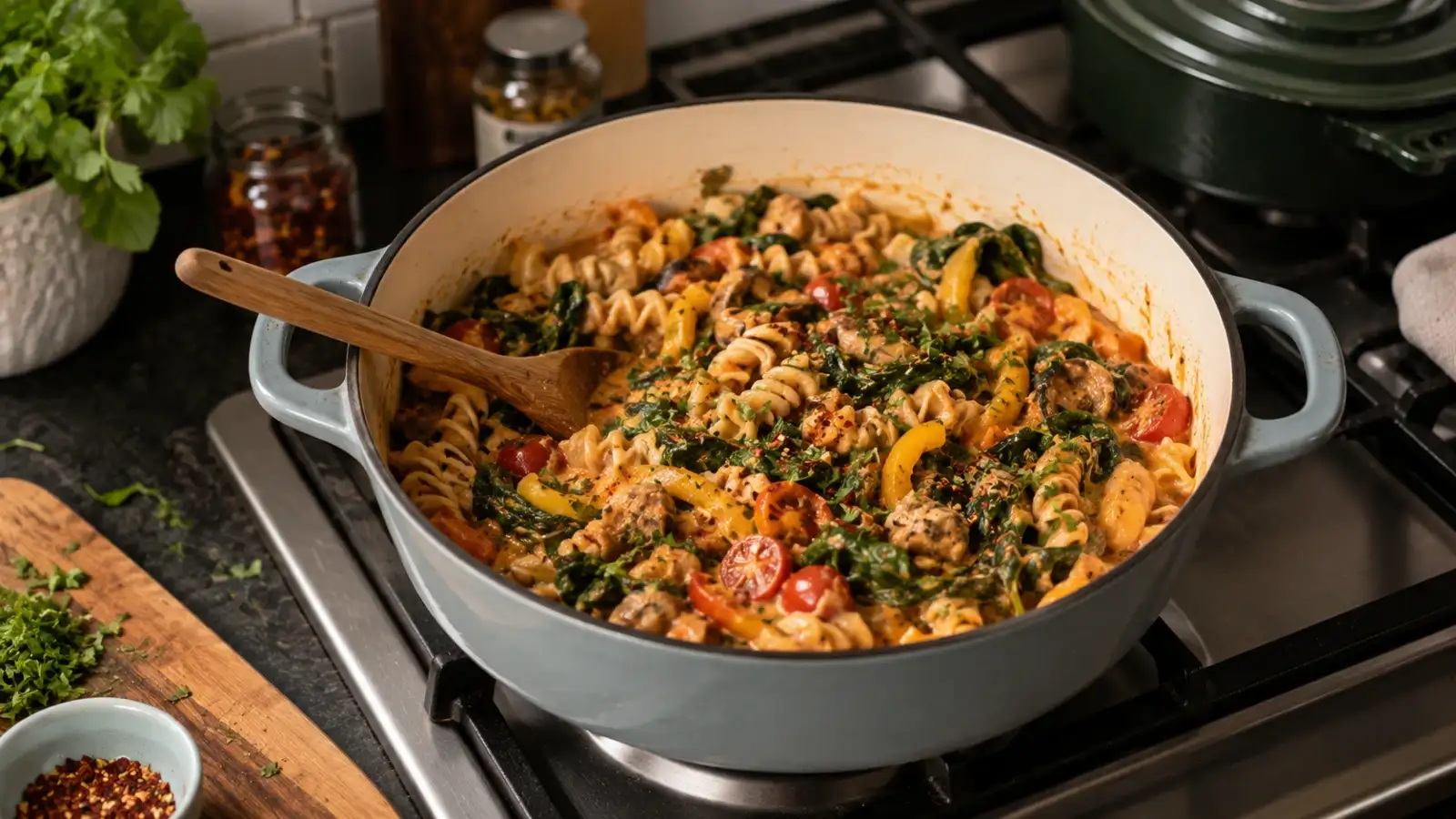
Beyond saving physical effort, cooking in a single vessel aligns perfectly with modern economic and environmental priorities. Using a single stove burner or electric appliance can consume significantly less energy than running multiple hobs for an hour. In an era of rising energy bills and heightened eco-consciousness, reducing gas and electricity consumption while using less water for washing up makes complete sense to young consumers.
Simmering vegetables, proteins, and grains together in one vessel allows the ingredients to absorb shared aromatics, resulting in deeply satisfying, flavour-packed dishes. Dishes like ramen upgrades, spicy chickpea stews, and baked orzo pasta allow young cooks to achieve restaurant-quality results without needing advanced culinary training or expensive kitchen equipment.
Batch cooking a big pot over the weekend provides easy, nutritious lunches for the rest of the workweek. This approach reduces food waste and cuts down on expensive takeaway orders. Ultimately, the rise of one-pot cooking among Gen Z proves that young consumers are redefining home dining, showing that delicious, healthy, and satisfying food does not have to come with a mountain of dirty dishes.
Convenience, Energy Efficiency, and Washing-Up Relief
The primary reason behind this widespread kitchen trend comes down to sheer convenience and practical time management. Many young adults juggle busy university schedules, remote work hours, and active social lives, leaving little energy for lengthy cooking sessions or tedious cleanup routines. Preparing an entire dinner in a single Dutch oven, skillet, or multicooker eliminates the dreaded mountain of washing up.Beyond saving physical effort, cooking in a single vessel aligns perfectly with modern economic and environmental priorities. Using a single stove burner or electric appliance can consume significantly less energy than running multiple hobs for an hour. In an era of rising energy bills and heightened eco-consciousness, reducing gas and electricity consumption while using less water for washing up makes complete sense to young consumers.
You may also like
- 5 common bra fit myths we've all believed at some point
- Passenger carrying 'Monkey Skull' in bag detained at Delhi airport by CISF; wildlife case now under investigation
- NHAI: A ₹5,000 fine for a one-minute delay—understand the minute-by-minute penalty structure on national highways.
- Shraddha Kapoor just gave the classic angrakha a stunning makeover: See her ₹33,800 festive look
- Why this family decided to leave America for a small European country: 'We sold our house, both of our cars, and everything we owned'
Digital Inspiration and Global Fusion Flavours
Social media platforms have played a massive role in popularising single-pan recipes among younger cooks. Short-form video content highlights how easy it is to layer raw ingredients into a single dish and watch them transform into a rich, cohesive meal. Instead of following rigid traditional techniques, young food enthusiasts experiment freely with global spice blends, coconut milk, curry pastes, and fermented condiments.Simmering vegetables, proteins, and grains together in one vessel allows the ingredients to absorb shared aromatics, resulting in deeply satisfying, flavour-packed dishes. Dishes like ramen upgrades, spicy chickpea stews, and baked orzo pasta allow young cooks to achieve restaurant-quality results without needing advanced culinary training or expensive kitchen equipment.
Affordable Nutrition and Mindful Batch Cooking
Economic realities also drive this preference for single-vessel meal preparation. Buying individual ingredients for multi-course dinners can quickly become expensive. Single-vessel recipes excel at stretching affordable ingredients, such as tinned beans, lentils, seasonal vegetables, and rice, into multi-serving meals.Batch cooking a big pot over the weekend provides easy, nutritious lunches for the rest of the workweek. This approach reduces food waste and cuts down on expensive takeaway orders. Ultimately, the rise of one-pot cooking among Gen Z proves that young consumers are redefining home dining, showing that delicious, healthy, and satisfying food does not have to come with a mountain of dirty dishes.






Loving Newspoint? Download the app now
