
Why Purple Foods Are Gaining Popularity Among Nutrition Experts

Walk through any farmers' market or supermarket produce aisle today, and you are likely to notice more colourful fruits and vegetables than ever before. Among them, purple foods have become a particular focus for nutrition experts and health-conscious shoppers alike. From blueberries and blackberries to purple cabbage, aubergines and purple sweet potatoes, these vibrant foods are attracting attention for far more than their striking appearance. Their rich colour comes from naturally occurring plant compounds that are associated with a variety of health benefits. While no single food can transform overall health, including a wider range of colourful produce in the diet is increasingly recognised as a simple way to support long-term wellbeing.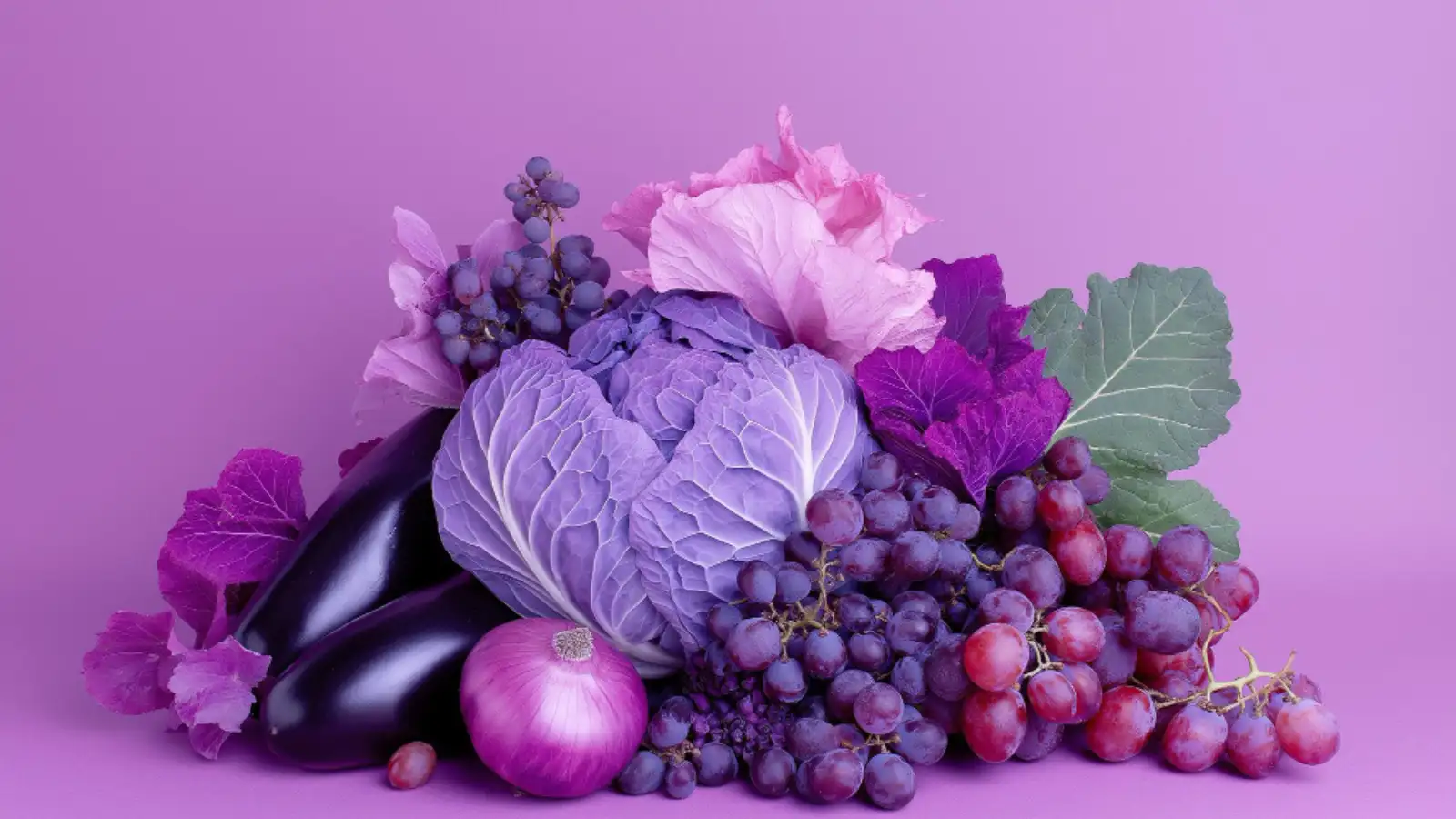
These compounds belong to a family of plant chemicals known as flavonoids, which help protect plants from environmental stress such as strong sunlight, pests and extreme weather. Interestingly, the same compounds that protect plants have become the subject of extensive nutrition research.
Foods naturally rich in anthocyanins include blueberries, blackberries, blackcurrants, purple grapes, red cabbage, purple carrots, purple cauliflower and certain varieties of sweet potatoes.
The intensity of the colour often reflects the concentration of these pigments, although growing conditions and ripeness also play an important role.
Research suggests that diets rich in colourful fruits and vegetables are associated with better overall health. Purple produce also contributes important nutrients such as vitamin C, potassium and manganese, depending on the food.
One lesser-known fact is that purple sweet potatoes have been cultivated for centuries in parts of Asia and the Pacific. Long before they became fashionable in health food shops, they were an important staple food valued for both flavour and resilience.
Rather than focusing on one so-called superfood, nutrition experts increasingly encourage people to eat a rainbow of plant foods, with purple varieties forming one part of that colourful mix.
What Gives Purple Foods Their Colour?
The deep purple, blue and violet shades found in many fruits and vegetables come largely from natural pigments called anthocyanins.These compounds belong to a family of plant chemicals known as flavonoids, which help protect plants from environmental stress such as strong sunlight, pests and extreme weather. Interestingly, the same compounds that protect plants have become the subject of extensive nutrition research.
Foods naturally rich in anthocyanins include blueberries, blackberries, blackcurrants, purple grapes, red cabbage, purple carrots, purple cauliflower and certain varieties of sweet potatoes.
The intensity of the colour often reflects the concentration of these pigments, although growing conditions and ripeness also play an important role.
Why Nutrition Experts Are Interested
Purple foods are valued because they contain a wide variety of vitamins, minerals, fibre and plant compounds alongside anthocyanins.Research suggests that diets rich in colourful fruits and vegetables are associated with better overall health. Purple produce also contributes important nutrients such as vitamin C, potassium and manganese, depending on the food.
One lesser-known fact is that purple sweet potatoes have been cultivated for centuries in parts of Asia and the Pacific. Long before they became fashionable in health food shops, they were an important staple food valued for both flavour and resilience.
Rather than focusing on one so-called superfood, nutrition experts increasingly encourage people to eat a rainbow of plant foods, with purple varieties forming one part of that colourful mix.
Next Story