
Why Slow Deep Breathing Calms You Down: What Happens in Your Body

There is a moment most people recognise: the chest tightens, the mind races, and someone says, just breathe. It sounds too simple to be real. But the body has a direct, physical pathway between the rhythm of your breath and the state of your nervous system, and slow, deep breathing is one of the few things you can do consciously to change how your body is running.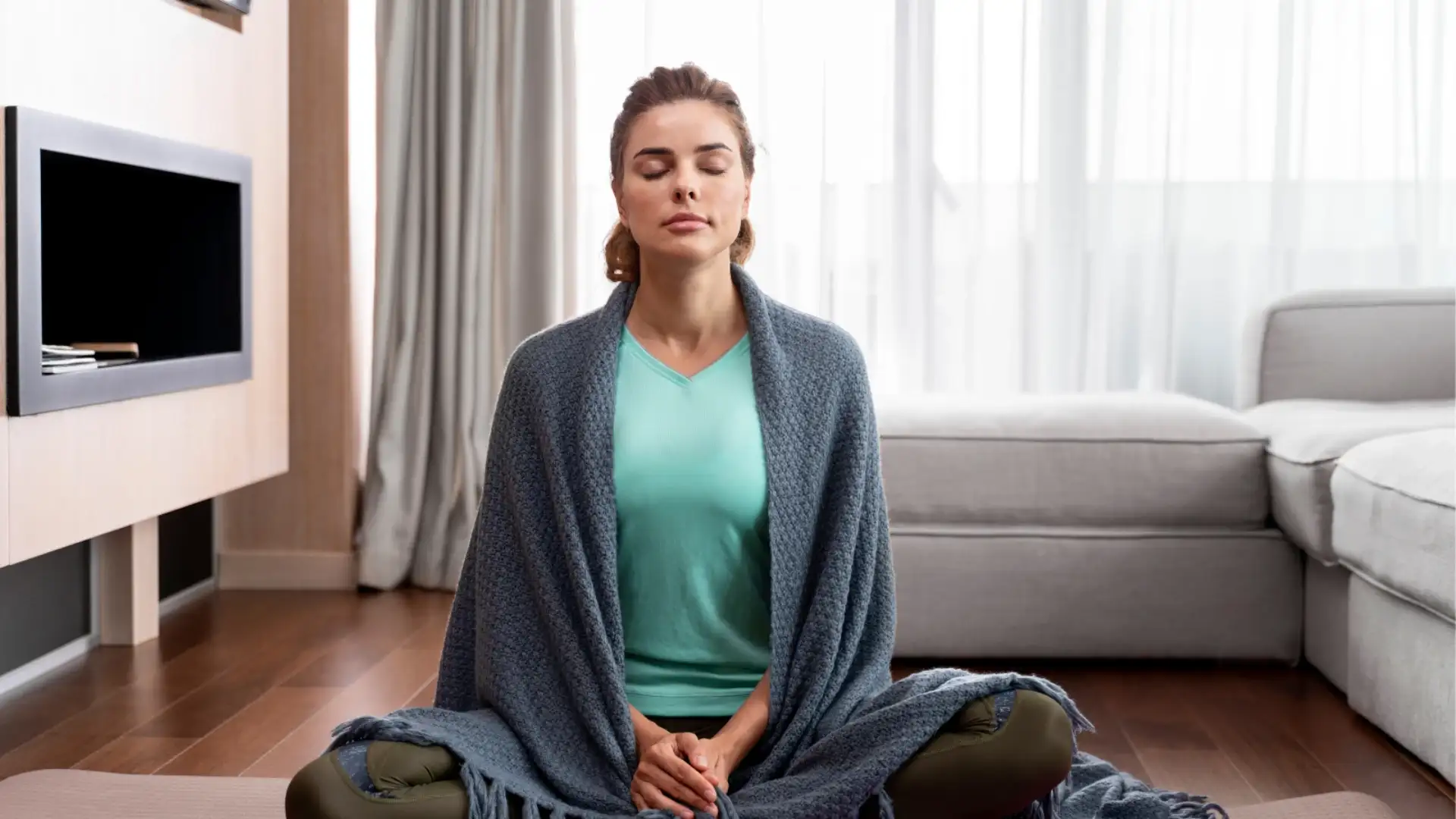
Each of these mechanisms, the vagal baroreflex, the heart-rate fluctuation with the exhale, the ascending signal to the amygdala, the carbon dioxide balance, runs on the same action. The breath is one of the only parts of the autonomic nervous system that you can control voluntarily. That is not a coincidence of anatomy. It is the reason the advice has survived long enough to become a cliché.
Two Systems, One Switch
Your nervous system runs on two modes. The sympathetic branch accelerates everything, heart rate, muscle tension, alertness, the release of adrenaline. It evolved to move you fast when something threatened you. The parasympathetic branch does the opposite: it slows the heart, relaxes the gut, and signals that the threat has passed. Most of the time, both are active in a shifting balance. Stress tilts the balance toward the sympathetic side. Slow breathing tilts it back.The Vagus Nerve Is the Mechanism
Running from the brainstem down through the chest and into the abdomen is the vagus nerve, the longest nerve in the autonomic system. It carries signals in both directions, but its most important job in this context is carrying parasympathetic signals to the heart, the lungs, and the digestive organs. When you exhale slowly, the diaphragm presses upward and the lungs deflate. Pressure receptors in the chest wall and the large blood vessels sense this change and send a signal up the vagus nerve to the brainstem. The brainstem responds by slowing the heart. This is not metaphor. It is a pressure-sensing reflex with a name: the baroreflex.Why the Exhale Matters More Than the Inhale
Inhaling and exhaling do opposite things to the heart rate. When you breathe in, the diaphragm drops, pressure in the chest falls, and the heart speeds up slightly to fill the lungs with freshly oxygenated blood. When you breathe out, pressure rises, the vagus nerve fires more strongly, and the heart slows. This fluctuation, the heart speeding and slowing with each breath, is called respiratory sinus arrhythmia, and a healthy, flexible nervous system shows a lot of it. Slow, extended exhales amplify the slowing phase of that cycle. This is why breathing patterns that emphasise a long exhale, breathing out for roughly twice as long as you breathe in, tend to produce a stronger calming effect than simply breathing slowly without any ratio.What Changes in the Brain
The brainstem does not keep the signal to itself. Once the vagus nerve reports that the body has slowed down, the signal travels upward into the limbic system, the part of the brain that processes emotion and threat. The amygdala, which fires when you feel fear or alarm, receives input from these ascending pathways. A quieter body sends quieter signals upward. The prefrontal cortex, which handles planning and rational thought and is partly suppressed during high stress, gets more room to operate. The shift is not dramatic in a single breath, but it is measurable across a minute or two of slow, deliberate breathing. The body is not tricking the brain. It is informing it.Carbon Dioxide and the Breathing Reflex
There is a second mechanism that most explanations skip. When you are anxious, you tend to breathe faster and shallower than your body actually needs. Fast breathing lowers the carbon dioxide level in the blood more quickly than the body produces it. Low carbon dioxide causes blood vessels to constrict slightly, reduces blood flow to the brain, and triggers a feeling of light-headedness or unreality that can worsen anxiety. Slow breathing keeps carbon dioxide at a steadier level, which keeps blood vessels relaxed and the brain supplied. The dizzy, unreal feeling that often accompanies a panic state is partly a breathing-rate problem. Slowing down corrects it.Each of these mechanisms, the vagal baroreflex, the heart-rate fluctuation with the exhale, the ascending signal to the amygdala, the carbon dioxide balance, runs on the same action. The breath is one of the only parts of the autonomic nervous system that you can control voluntarily. That is not a coincidence of anatomy. It is the reason the advice has survived long enough to become a cliché.
Next Story