
Why Indian Kitchens Soak Rajma and Chana Overnight

The bowl of soaked rajma on the kitchen counter the morning before Sunday lunch is one of those habits passed down without explanation. Someone learned it from someone else, and the dish always turned out better when it was done. The reason is not tradition for its own own sake, it is chemistry, and fairly straightforward chemistry at that.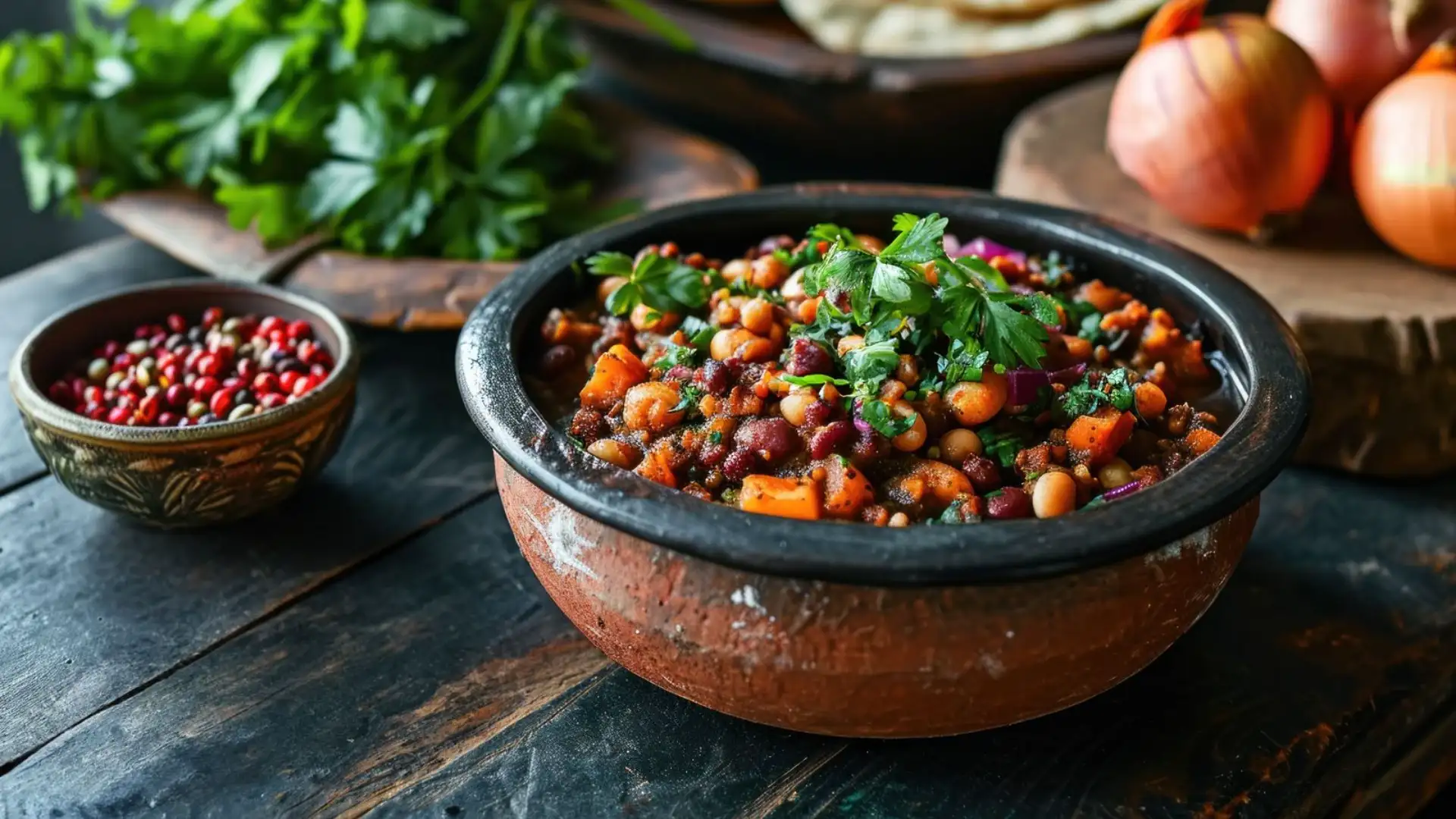
The Outer Coat Is the First Problem
Rajma and chana have a tough outer seed coat. Dry, that coat resists heat for a long time, which is why unsoaked legumes take far longer to cook and still come out with an uneven texture, soft inside, leathery outside. Water begins softening the coat within the first hour. By six to eight hours, it has absorbed enough moisture to become pliable, so heat can work through the whole legume evenly. The result is a chana that is creamy through and through, not gritty at the centre.What Phytic Acid Has to Do With It
Legumes store phosphorus as phytic acid, a compound that binds to minerals, iron, zinc, calcium, in the digestive tract and makes them harder for the body to absorb. Soaking draws some of this acid out into the water. The longer the soak, the more that leaches out. This is why cooks discard the soaking water rather than cooking in it. It is not waste, it is the point. The legume that goes into the pot after soaking is more nutritious in practical terms than the one dropped in dry, because more of what it contains is available to the body.Oligosaccharides and the Digestion Question
Rajma and chana contain complex sugars called oligosaccharides. The human gut does not produce the enzyme needed to break them down in the small intestine, so they travel intact to the large intestine, where bacteria ferment them. That fermentation is the source of the bloating and gas that legumes are famous for. Soaking reduces the oligosaccharide content, particularly when the water is changed once or twice during the soak. Cooking in fresh water reduces it further. The legume does not become gas-free, but the effect is noticeably milder, which is why people who find rajma heavy on the stomach are often told to soak it longer, not to avoid it.What Soaking Does Not Do
Soaking does not replace cooking time entirely. A pressure cooker still does the work of breaking down the interior. What soaking does is give the cooker a head start, so the legume reaches the right texture without overcooking the outside while waiting for the inside to catch up. It also does not remove all anti-nutrients, some phytic acid and some oligosaccharides remain regardless. The reduction is meaningful, not total. And soaking in cold water is fine; warm water speeds the process slightly but is not necessary for the result.The Practical Habit Behind the Science
The overnight soak became standard in Indian kitchens because it fits the rhythm of how these dishes are cooked. Rajma chawal and chole are not quick meals, they are planned. The soak starts the night before, the pot goes on in the morning, and the dish is ready by afternoon. The timing was practical before anyone named the chemistry. The fact that it also makes the legume easier to digest and more nutritious is not a coincidence, it is why the habit survived across generations of cooks who noticed the difference even if they never described it in those terms.Next Story