
Why Rice Is Washed Before Cooking in Most Indian Homes

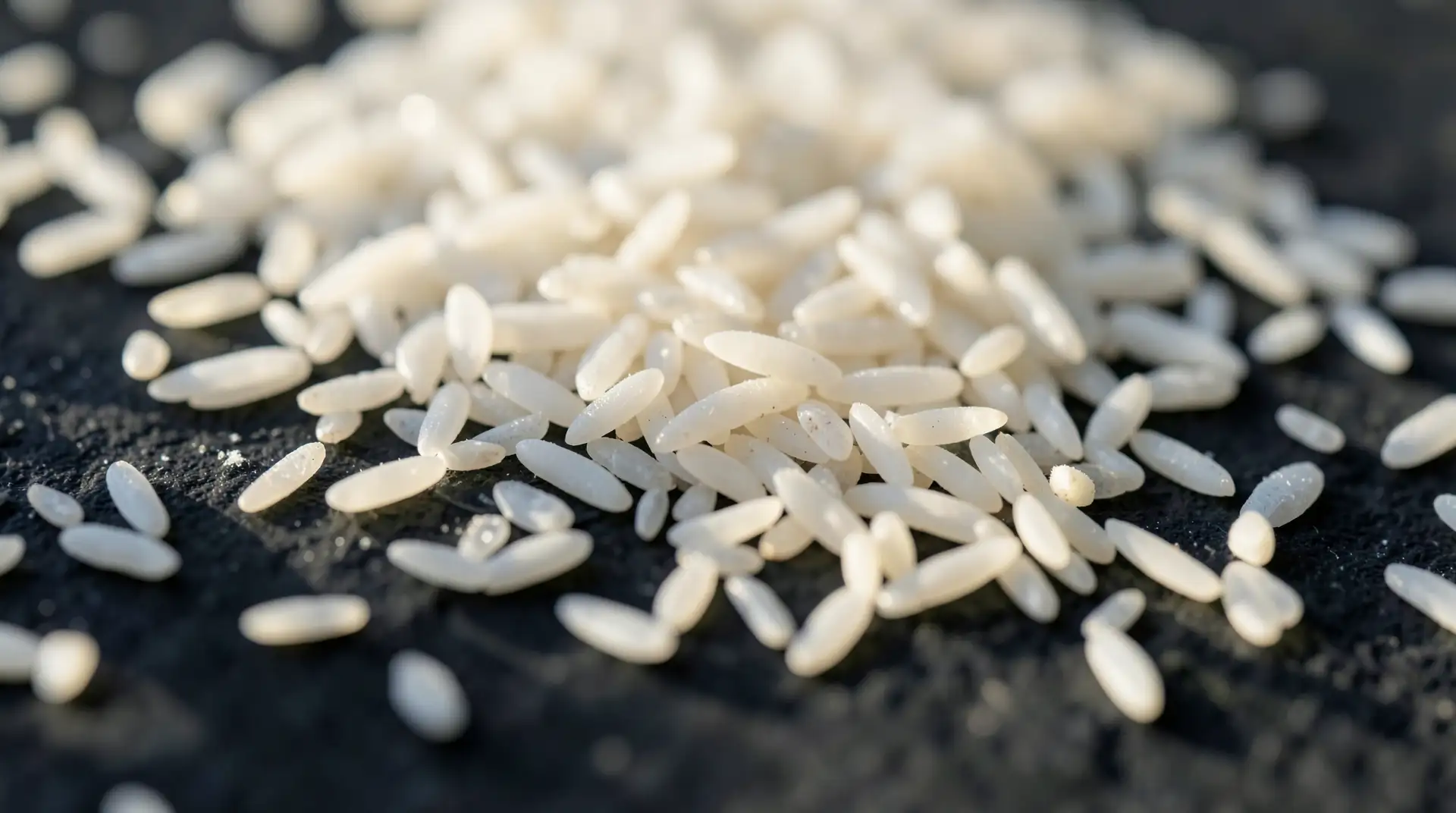
Pick up a handful of raw rice and look at it closely. The grains are coated in a fine white dust, loose surface starch, sometimes talc used in milling, occasionally traces of the husk. That coating is what washing removes, and its presence or absence shapes everything that follows in the pot.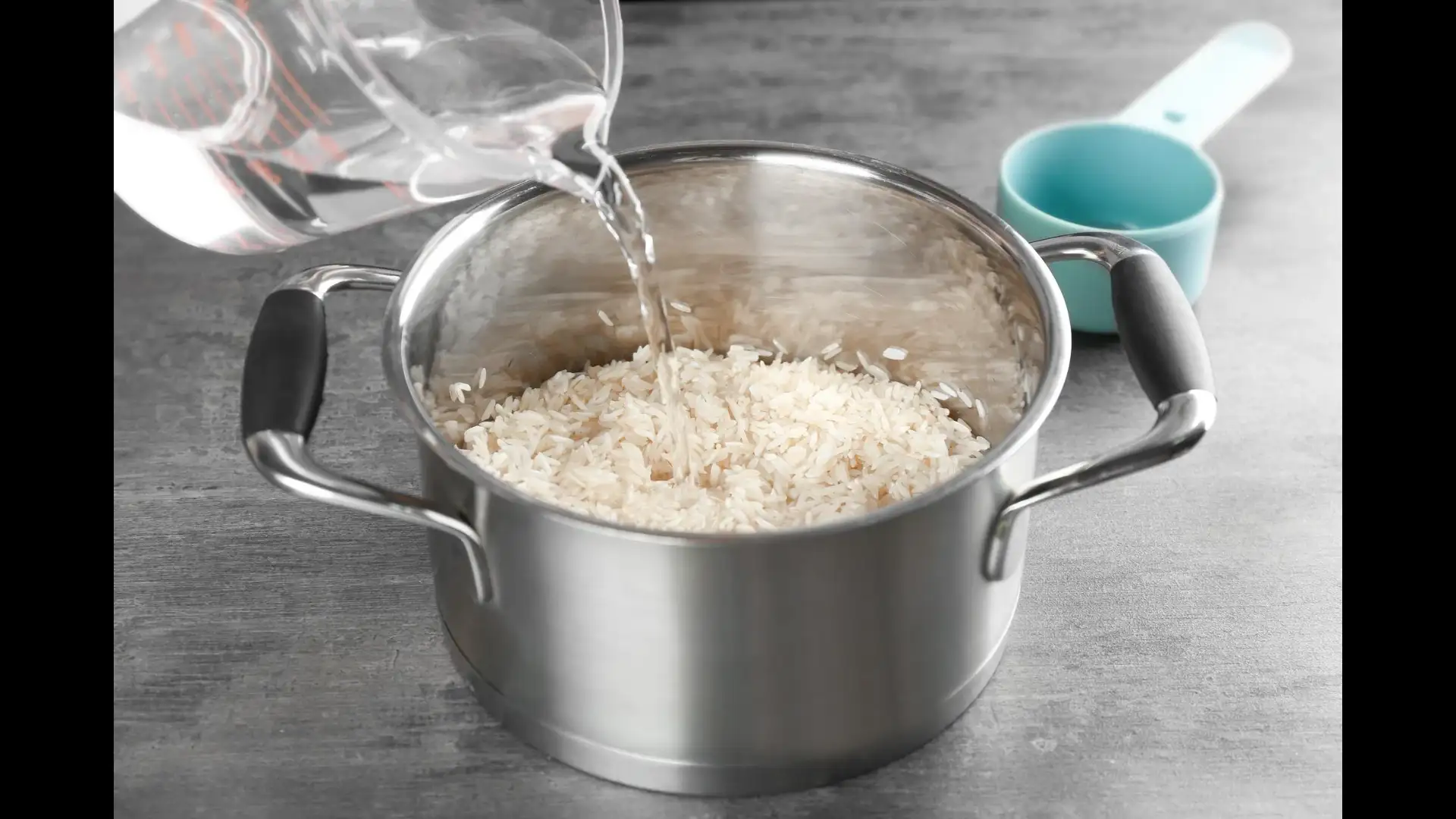
The result is rice where the grains hold their shape and pull apart cleanly on the plate. For dishes where some stickiness is the point, a khichdi, a congee, or a pongal, many cooks skip the wash or do just one quick rinse, keeping enough surface starch to give the dish its characteristic body.
Washing removes what the eye cannot see. Older rice, stored for months, also picks up a faint musty note that a good wash and a soak can reduce. This is less about hygiene theatre and more about a practical response to how rice actually travels from field to pot in a country where supply chains can be long and storage conditions vary.
Fortified rice, which carries added iron and B vitamins as a coating on the grain, loses a portion of those nutrients with each wash. Where rice is the primary source of those nutrients in a diet, that loss matters. The habit that makes sense for basmati in a pulao is not automatically the right move for every grain in every pot.
Basmati soaked for twenty to thirty minutes before cooking elongates further during cooking, the grain expands lengthwise rather than splitting. The wash gets the grain clean; the soak gets it ready.
The washing of rice is one of those kitchen habits that looks like custom but turns out to be engineering. The grain arrives with something on it that the dish does not need. The water takes it away. What cooks learned through repetition and result, the chemistry of starch and milling confirms: the cloudy water going down the drain is exactly what was supposed to leave.
What That Cloudy Water Actually Is
When you pour water over dry rice and swirl, the water turns milky within seconds. Most of that cloudiness is surface starch, fine particles that broke off during milling and handling. Some rice, particularly older or more processed varieties, also carries a light coating of glucose or talc applied during processing to give the grain a polished look. Washing strips all of it away before heat is applied.How It Changes the Texture
Surface starch behaves differently from the starch locked inside the grain. When cooked, it gelatinises quickly and makes grains stick together. For plain steamed rice or a biryani where each grain is meant to stay separate, that stickiness works against the dish. Washing reduces it.The result is rice where the grains hold their shape and pull apart cleanly on the plate. For dishes where some stickiness is the point, a khichdi, a congee, or a pongal, many cooks skip the wash or do just one quick rinse, keeping enough surface starch to give the dish its characteristic body.
The Milling and Storage Reality
Rice in India moves through a long chain before it reaches a kitchen: paddy mill, warehouse, distributor, retailer, home storage. At each stage, dust, fine debris, and sometimes small insects can enter the bag.You may also like
- Psychology says people who feel uncomfortable when someone watches them eat may be unusually aware of being observed during routine activities
- Malaysia Travel Alert: Visa-Free Entry for Indians to End from January 2027 – Here's What Travellers Need to Know
- Unspoken: Is vaginal discharge normal? Know what your body is telling you
- Baba Ramdev's Simple Daily Diet Trick to Control Blood Sugar
- Class 8 students in Nashik made around 200 biodegradable, oil-free diyas to tackle pollution in the Godavari; their project has now won a Children's Earthshot award, with 100 lamps sent for official review
Washing removes what the eye cannot see. Older rice, stored for months, also picks up a faint musty note that a good wash and a soak can reduce. This is less about hygiene theatre and more about a practical response to how rice actually travels from field to pot in a country where supply chains can be long and storage conditions vary.
When Washing Works Against You
Not every rice benefits from washing. Parboiled rice, the kind used widely in South India and Bengal, has already been partially cooked under pressure before milling, which drives surface starch into the grain and sets it. Washing it repeatedly removes little and can make the grain slightly gummy.Fortified rice, which carries added iron and B vitamins as a coating on the grain, loses a portion of those nutrients with each wash. Where rice is the primary source of those nutrients in a diet, that loss matters. The habit that makes sense for basmati in a pulao is not automatically the right move for every grain in every pot.
The Soak That Often Follows
In many homes, washing and soaking are treated as one step, but they do different things. Washing removes surface material. Soaking lets water penetrate the grain, which shortens cooking time and helps the centre cook through at the same rate as the outside.Basmati soaked for twenty to thirty minutes before cooking elongates further during cooking, the grain expands lengthwise rather than splitting. The wash gets the grain clean; the soak gets it ready.
The washing of rice is one of those kitchen habits that looks like custom but turns out to be engineering. The grain arrives with something on it that the dish does not need. The water takes it away. What cooks learned through repetition and result, the chemistry of starch and milling confirms: the cloudy water going down the drain is exactly what was supposed to leave.






Loving Newspoint? Download the app now
