
Why Shagun Envelopes Always Carry That Extra One Rupee

The rupee note sits folded inside the envelope, and then someone adds one more coin before sealing it. Most people do it without thinking. Ask them why, and they pause. The answer reaches further back than most expect.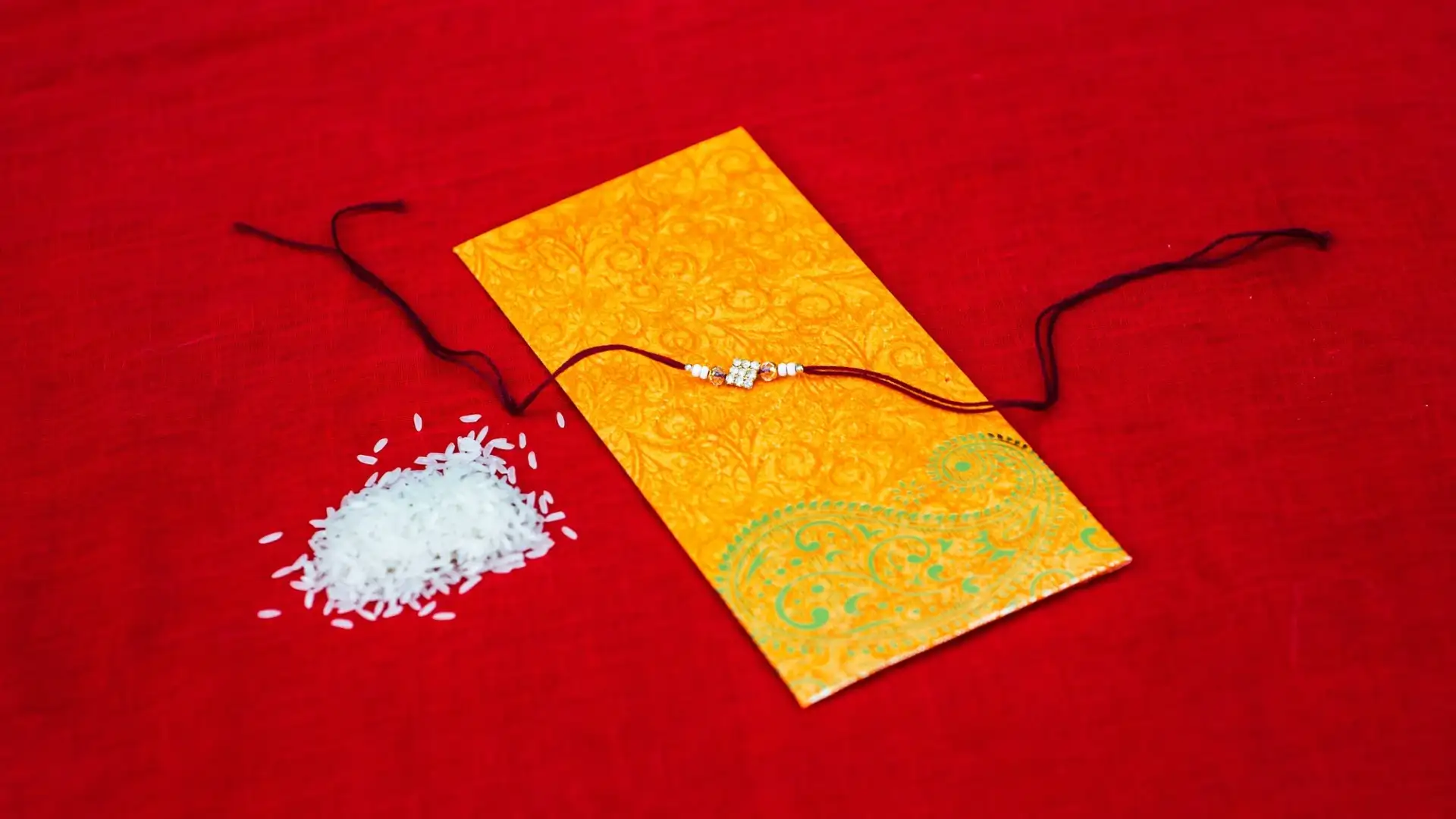
The extra rupee breaks that closure. It turns a round number into an open one, and an open number into a beginning rather than a full stop.
Elders in many families will tell you the envelope is really being given for the rupee, and the rest is just what makes it feel substantial. The coin says: I am giving you something that has not yet reached its end.
In a culture where gifts mark union, whether of families through marriage or of communities through festival, a number that resists division carries a different weight than one that cleaves cleanly in two. This is not a formal mathematical argument; it is the kind of embodied reasoning that lives in practice long before anyone writes it down.
Marwari tradition is particularly precise about it, the amount varies by occasion, but the odd number does not. In Bengali custom, the equivalent logic appears in the dakhina given to a priest, always structured to avoid a round close. The specific number shifts; the principle of the open-ended gift holds.
The habit did not require the coin. It required the idea the coin carried. That persistence is a sign of how deeply the logic is understood, even by people who could not immediately explain it if asked.
The Round Number That Must Not Be Round
In Indian gift-giving tradition, a round figure, one hundred, five hundred, a thousand, is considered complete in itself. Complete means closed. Closed means finished. When you give a gift that signals an ending, you are, without intending it, wishing the relationship the same.The extra rupee breaks that closure. It turns a round number into an open one, and an open number into a beginning rather than a full stop.
What the One Rupee Actually Represents
The single coin is called shagun, an auspicious token. In the logic of Indian custom, it is not part of the gift. It is the gift, and everything else accompanies it. The larger notes are the practical gesture; the one rupee is the intention.Elders in many families will tell you the envelope is really being given for the rupee, and the rest is just what makes it feel substantial. The coin says: I am giving you something that has not yet reached its end.
You may also like
- Psychology says imaginary friends are normal, not a warning sign: About 65% of children have had one by age 7, a US study found, and kids who play pretend tend to understand others' emotions better
- Aadhaar Update: Opportunity to update Aadhaar for free from home; UIDAI extends the deadline
- Case involving a Rs 1.5 crore tax demand based on a photo of a Rs 10 note: Company wins the case
- Satellite Engineer Career: What do you need to study to build satellites, and how can you pursue a career in this field?
- Working parents, here's how to keep kids engaged while you juggle work calls, deadlines and household chores
The Mathematics of Auspiciousness
The preference for odd numbers in sacred and celebratory contexts appears across several Indian traditions. Odd numbers cannot be divided evenly into two equal halves, they resist splitting.In a culture where gifts mark union, whether of families through marriage or of communities through festival, a number that resists division carries a different weight than one that cleaves cleanly in two. This is not a formal mathematical argument; it is the kind of embodied reasoning that lives in practice long before anyone writes it down.
How the Tradition Moves Across Communities
The shagun rupee is not the property of one region or one faith. Punjabi families fold it into the red envelope at a wedding. Gujarati households include it in the envelope passed at a mundan.Marwari tradition is particularly precise about it, the amount varies by occasion, but the odd number does not. In Bengali custom, the equivalent logic appears in the dakhina given to a priest, always structured to avoid a round close. The specific number shifts; the principle of the open-ended gift holds.
Why It Survived the Move to Digital Transfers
When families began sending shagun by bank transfer or through payment apps, something interesting happened. People started sending amounts like 1,001 or 5,001 rather than 1,000 or 5,000, the extra rupee migrating from the physical envelope into the digital field.The habit did not require the coin. It required the idea the coin carried. That persistence is a sign of how deeply the logic is understood, even by people who could not immediately explain it if asked.






Loving Newspoint? Download the app now
