
The Sloth’s Secret Life: 7 Fascinating Facts You Didn’t Know

Sloths are one of the most unique and endearing creatures on Earth. Known for their slow-moving lifestyle and adorable appearance, these animals have become icons of relaxation and calm. But there’s more to sloths than meets the eye. Here are 7 fascinating facts about sloths that might surprise you.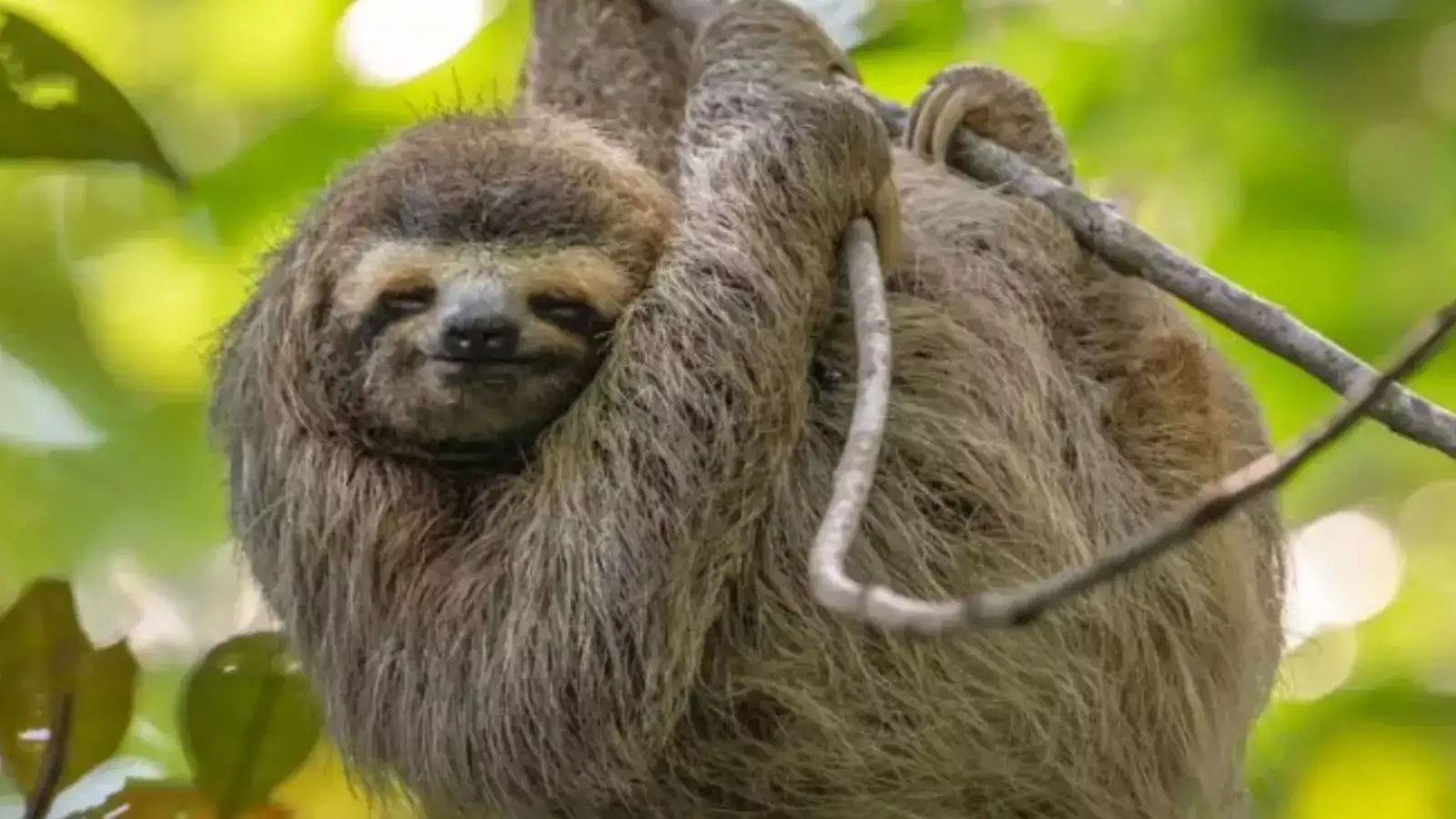
They Are Incredibly Slow Movers
Sloths are famous for their sluggish pace. They move at an average speed of just 0.03 miles per hour, which is slower than the average walking speed of a human! This slow movement is due to their low metabolic rate and the energy conservation required by their diet.
Their Diet Consists Mostly of Leaves
Sloths are herbivores and primarily eat leaves, fruits, and flowers. Their slow metabolism is supported by this leafy diet, but it also means they get very little energy from their food. They can spend up to 20 hours a day sleeping to conserve energy.
They Have Specially Adapted Claws
Sloths are excellent climbers, thanks to their long, curved claws. These claws are designed for gripping tree branches and allowing sloths to hang upside down for extended periods. In fact, they spend most of their lives in trees, rarely coming down to the ground.
Sloths Can Hold Their Breath for Up to 40 Minutes
While humans might struggle to hold their breath for more than a few minutes, sloths can hold theirs for up to 40 minutes. This ability helps them survive underwater if necessary, as they can float in the water and even swim well despite their slow pace on land.
They Have Low Body Temperature
Sloths have a body temperature that is significantly lower than most mammals. Their average temperature hovers around 30°C (86°F), which is several degrees cooler than that of humans. This low body temperature contributes to their lethargic lifestyle since they need warmth to function properly.
Sloths Have a Unique Digestive System
Sloths have a highly specialized digestive system. It can take them up to a month to digest a single meal due to the tough nature of their leafy diet. Their stomachs contain multiple chambers that help break down the leaves over time, allowing them to extract nutrients more efficiently.
They Can Be Found in Both North and South America
While sloths are often associated with the rainforests of South America, they can also be found in parts of Central and North America. The two main types of sloths – two-toed and three-toed – have distinct habitats, with three-toed sloths living mainly in the dense, tropical forests of South America, and two-toed sloths found more widely across Central America.
Sloth s are far more than just their reputation for being slow and lazy. Their unique adaptations to their environment and specialized lifestyle make them fascinating creatures. From their incredible breath-holding abilities to their slow but steady digestion process, sloths are a perfect example of how nature evolves to meet the needs of different species. So, the next time you spot a sloth, take a moment to appreciate just how remarkable this quirky animal truly is.
They Are Incredibly Slow Movers
Sloths are famous for their sluggish pace. They move at an average speed of just 0.03 miles per hour, which is slower than the average walking speed of a human! This slow movement is due to their low metabolic rate and the energy conservation required by their diet.
Their Diet Consists Mostly of Leaves
Sloths are herbivores and primarily eat leaves, fruits, and flowers. Their slow metabolism is supported by this leafy diet, but it also means they get very little energy from their food. They can spend up to 20 hours a day sleeping to conserve energy.
They Have Specially Adapted Claws
Sloths are excellent climbers, thanks to their long, curved claws. These claws are designed for gripping tree branches and allowing sloths to hang upside down for extended periods. In fact, they spend most of their lives in trees, rarely coming down to the ground.
Sloths Can Hold Their Breath for Up to 40 Minutes
While humans might struggle to hold their breath for more than a few minutes, sloths can hold theirs for up to 40 minutes. This ability helps them survive underwater if necessary, as they can float in the water and even swim well despite their slow pace on land.
They Have Low Body Temperature
You may also like
- Fashion quote of the day by Iris Apfel: 'Jewellery is the most transformative thing you can wear'
- Want your child to value money and time? German parents teach kids these 4 simple habits early in life
- Why do railways use stones under tracks?
- Short spiritual getaways are becoming increasingly popular
- Michelle Obama on why parents shouldn't try to be their child's friend; “Your kids have to learn…”
Sloths have a body temperature that is significantly lower than most mammals. Their average temperature hovers around 30°C (86°F), which is several degrees cooler than that of humans. This low body temperature contributes to their lethargic lifestyle since they need warmth to function properly.
Sloths Have a Unique Digestive System
Sloths have a highly specialized digestive system. It can take them up to a month to digest a single meal due to the tough nature of their leafy diet. Their stomachs contain multiple chambers that help break down the leaves over time, allowing them to extract nutrients more efficiently.
They Can Be Found in Both North and South America
While sloths are often associated with the rainforests of South America, they can also be found in parts of Central and North America. The two main types of sloths – two-toed and three-toed – have distinct habitats, with three-toed sloths living mainly in the dense, tropical forests of South America, and two-toed sloths found more widely across Central America.
Sloth s are far more than just their reputation for being slow and lazy. Their unique adaptations to their environment and specialized lifestyle make them fascinating creatures. From their incredible breath-holding abilities to their slow but steady digestion process, sloths are a perfect example of how nature evolves to meet the needs of different species. So, the next time you spot a sloth, take a moment to appreciate just how remarkable this quirky animal truly is.






Loving Newspoint? Download the app now
