
The Story Behind India’s Obsession With Chai: From Colonial Drink to National Passion

Step into any train station, busy city street, or quiet suburban neighborhood across India, and you will hear a familiar, comforting sound. The sharp clinking of small glass cups, the rhythmic roaring of gas burners, and the friendly shouts of street vendors calling out to passing commuters create an unmistakable daily soundtrack. Drinking spiced, sweet milk tea is not merely a morning routine; it is an enduring cultural phenomenon. Millions of citizens rely on this hot beverage to wake up, spark spontaneous conversations, take work breaks, and welcome guests into their homes. Yet, despite its deep integration into South Asian identity, tea was not always the national beverage. Uncovering the story behind India’s obsession with chai reveals a fascinating journey of colonial trade campaigns, local culinary rebellion, and an unstoppable cultural transformation.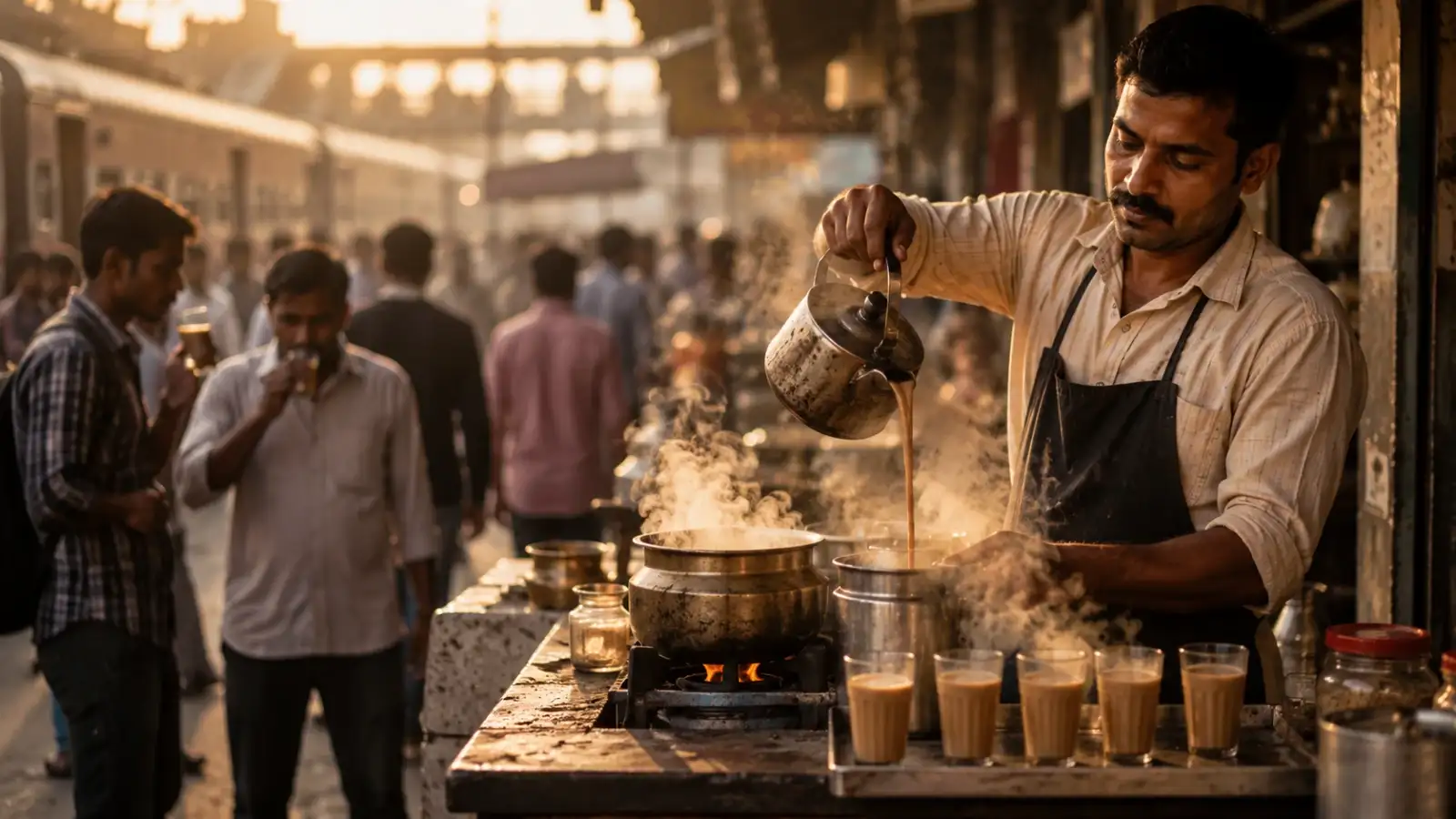
Indigenous herbal roots and the discovery of native leaves
Long before black tea became a daily habit, the Indian subcontinent relied on ancient herbal concoctions known as kadha. Formulated using traditional Ayurvedic principles, these hot infusions boiled local spices like ginger, cardamom, black pepper, and cinnamon to treat illnesses and boost bodily vitality. Meanwhile, native indigenous communities in the hilly regions of Assam had been brewing wild tea leaves for centuries. However, tea was viewed primarily as medicinal herbal water rather than a daily household refreshment. The dramatic transformation of tea into a sweet, milky beverage began much later when global trade politics reshaped agricultural landscapes across the region.British commercial ambitions and massive marketing drives
During the nineteenth century, the British East India Company was desperate to break China's global monopoly on the tea trade. After discovering indigenous tea bushes growing in Assam, British industrialists established vast commercial plantations across north eastern India. Initially, almost the entire harvest was exported to feed the growing thirst for tea in Western markets. However, when global economic crashes occurred in the early twentieth century, British business owners suddenly needed to cultivate a massive local consumer base. The Indian Tea Association launched one of the largest promotional campaigns in corporate history. Mobile tea vans toured cities, factory owners were encouraged to mandate official tea breaks, and vendors were stationed across expanding railway networks to distribute cheap or free samples to travelers.You may also like
- "Why wouldn't he?”: Akshay Kumar says his son Aarav is working for Rs 4,500 while learning fashion; the parenting lesson Indian parents can take from it
- PM SVANidhi Yojana: Street vendors and hawkers can also get a credit card—here's the process..
- Green leafy vegetables are beneficial for health, but take these necessary precautions during the rainy season..
- Hariyali Teej 2026: Have you also observed the Savani Teej fast? It is incomplete without these 3 vows..
- Who is Captain Sonia Singh Chauhan? The army officer who assisted PM Modi in hoisting the flag at the 80th Independence Day celebrations
The Indian culinary rebellion that birthed authentic masala chai
Ironically, the British promoters had very strict ideas about how tea should be prepared and enjoyed. They instructed Indian consumers to drink light black tea poured into delicate chinaware with just a drop of milk and sugar, mimicking European high society. Indian street vendors and home cooks had entirely different plans. Pure black tea leaves were expensive, so local sellers devised a clever, cost-effective method to make the drink go further. They boiled lower grade tea leaves in heavy proportions of buffalo milk, water, and abundant sugar, infusing the mixture with traditional aromatic spices like crushed ginger, cardamom, and cloves. This bold local adaptation outraged British tea companies at the time, but it gave birth to the rich, aromatic masala chai loved around the world today.The ultimate equalizer and symbol of hospitality
Over the decades, chai evolved from a commercial commodity into the ultimate social glue of Indian society. At roadside stalls, people from every walk of life stand side by side, putting aside social, economic, and political differences to enjoy a shared moment of warmth. Offering a fresh cup of tea is the universal first gesture of hospitality extended to any household guest. Whether brewed over a quick flame during a stressful workday or prepared slowly for family gatherings, the ritual brings people together in shared calm.A timeless cultural legacy in every sip
Ultimately, exploring the story behind India’s obsession with chai demonstrates how a foreign commercial project was completely transformed into a beloved national art form. What began as an imposed colonial trade item was reinvented through local creativity, spice heritage, and communal warmth. Today, the humble cup of chai remains a timeless symbol of comfort, connection, and everyday joy.





Loving Newspoint? Download the app now
