
Why Standing Up Every Hour Matters If You Sit All Day

An hour in a chair feels like nothing. Do it eight times in a row, and the body has been running a quiet emergency for most of the day.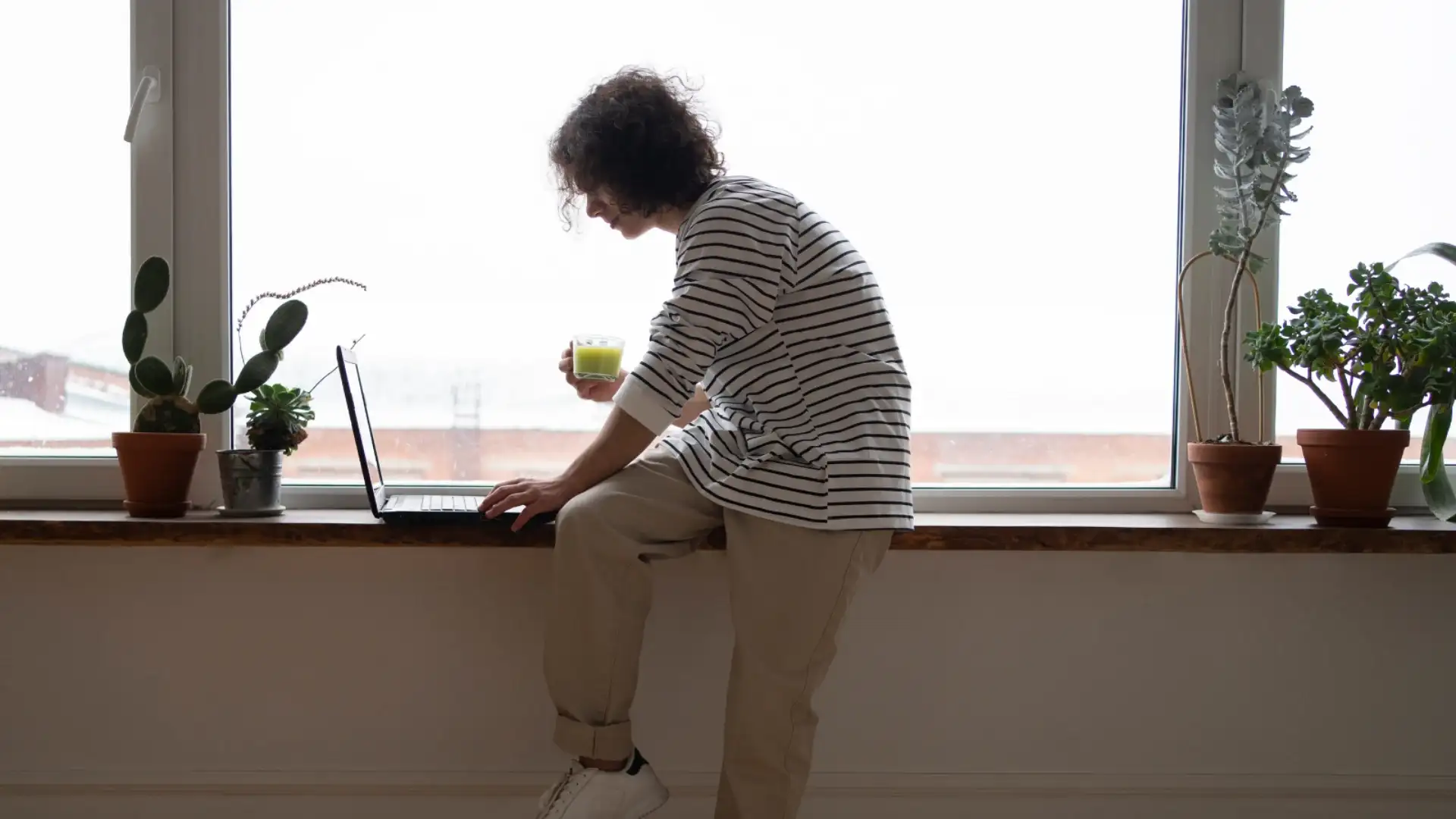
The problem is not that sitting is harmful in the way that smoking or eating badly is harmful. It is that the body was built around movement as a background condition, not an occasional event. When that background disappears for long stretches, several systems that depend on it start to drift.
Blood flow in the legs also slows when the calf muscles stop contracting. Those muscles act as a pump, squeezing blood upward against gravity. Without that pump, blood pools in the lower legs, and the walls of the veins carry more pressure than they are meant to sustain for hours at a stretch. This is why long-haul flights carry a clot risk, and why a desk job sustained over years shows up in varicose veins and swollen ankles in people who were otherwise healthy.
This is why short, frequent breaks outperform one long break when the goal is to offset sitting's effects on blood sugar and circulation. Standing up and walking to the kitchen, climbing a flight of stairs, or doing a few standing stretches re-engages the large leg muscles, restarts the calf pump, and gives the glucose-regulating system a brief reset. The interruption does not need to be long. The research on this is consistent: even two minutes of light movement every hour produces measurable differences in post-meal blood sugar compared to sitting through the same period without breaks.
Standing and walking restore the lumbar curve, take the compression off the discs, and give the fatigued postural muscles a chance to reset. The hip flexors, the muscles that run from the front of the spine to the top of the thigh, shorten when held in a seated position for hours. A short standing break, especially one that includes a brief forward step or a standing stretch, lengthens them back toward their resting position. Left short day after day, tight hip flexors pull the pelvis forward and increase the load on the lower back even when the person is standing or walking.
The simplest fix is a recurring alarm set to a short interval, not a health app's step goal, not a weekly summary, but a single tone at a fixed interval that says: stand up now. The alarm does not need to be long. Standing, walking to refill a glass of water, and returning takes under three minutes and costs nothing in terms of the work's momentum. The transition back into the task is easier than most people expect, because the brief physical break reduces the mental fatigue that makes returning to a hard task feel heavy.
Some people find it useful to attach the break to something already in the day: standing up every time a message is sent, or walking to a colleague rather than typing. The mechanism is the same, a reliable cue that breaks the sitting chain before the hour is up.
The body does not ask for an hour at the gym every sixty minutes. It asks for the calf pump to run, the hip flexors to lengthen, and the large leg muscles to do a few seconds of work. That is a low bar. The only reason it goes unmet is that sitting makes you forget you are sitting.
The problem is not that sitting is harmful in the way that smoking or eating badly is harmful. It is that the body was built around movement as a background condition, not an occasional event. When that background disappears for long stretches, several systems that depend on it start to drift.
What Happens Inside the Body After About 30 Minutes of Sitting
Skeletal muscle is the body's largest consumer of blood sugar. When large muscles, the thighs, the glutes, the calves, go inactive, their demand for glucose drops sharply. The cells become less responsive to insulin, the hormone that moves sugar out of the blood. This shift can happen within a single long sitting session, not over years of a sedentary life. It is not permanent damage; it reverses when the muscles start working again. But repeat it daily, and the reversal becomes less complete each time.Blood flow in the legs also slows when the calf muscles stop contracting. Those muscles act as a pump, squeezing blood upward against gravity. Without that pump, blood pools in the lower legs, and the walls of the veins carry more pressure than they are meant to sustain for hours at a stretch. This is why long-haul flights carry a clot risk, and why a desk job sustained over years shows up in varicose veins and swollen ankles in people who were otherwise healthy.
Why the Hourly Break Works Better Than a Single Long Walk
The body does not keep a running average of movement across the day and settle accounts at the gym. It responds to what is happening right now. A 45-minute run in the morning clears a debt from that morning, but it does not insure the next eight hours of sitting. The metabolic and circulatory effects of prolonged sitting accumulate in real time and respond to interruption in real time.You may also like
- India's chessboard gets its 100th king
- Samantha Ruth Prabhu's pregnancy workouts spark interest: Which exercises are safe for expectant mothers?
- Jensen Huang built the company that powers AI, now Nvidia must find way forward without him
- In 2013, she joined Nvidia as CFO; 13 years later, she takes over as interim CEO: Meet Colette Kress, who's now leading the AI giant as Jensen Huang steps down
- 7 Vintage-Inspired Shoe Styles Taking Over Fashion in 2026
This is why short, frequent breaks outperform one long break when the goal is to offset sitting's effects on blood sugar and circulation. Standing up and walking to the kitchen, climbing a flight of stairs, or doing a few standing stretches re-engages the large leg muscles, restarts the calf pump, and gives the glucose-regulating system a brief reset. The interruption does not need to be long. The research on this is consistent: even two minutes of light movement every hour produces measurable differences in post-meal blood sugar compared to sitting through the same period without breaks.
The Posture Problem That a Standing Break Also Solves
Sitting compresses the lumbar spine. The discs between the vertebrae are not rigid; they absorb shock and distribute load, and they do this partly by drawing in fluid from surrounding tissue. Prolonged compression squeezes fluid out. The discs thin slightly, the muscles holding the lower back in position fatigue and start to let the pelvis tilt, and the curve of the lumbar spine flattens. This is the sequence behind the low back ache that builds through a long work session and peaks around mid-afternoon.Standing and walking restore the lumbar curve, take the compression off the discs, and give the fatigued postural muscles a chance to reset. The hip flexors, the muscles that run from the front of the spine to the top of the thigh, shorten when held in a seated position for hours. A short standing break, especially one that includes a brief forward step or a standing stretch, lengthens them back toward their resting position. Left short day after day, tight hip flexors pull the pelvis forward and increase the load on the lower back even when the person is standing or walking.
How to Make the Habit Stick Without Disrupting Work
The barrier is not motivation. People who sit all day are not unaware that they should move more. The barrier is that deep focus makes time invisible. A person absorbed in a task does not notice an hour passing.The simplest fix is a recurring alarm set to a short interval, not a health app's step goal, not a weekly summary, but a single tone at a fixed interval that says: stand up now. The alarm does not need to be long. Standing, walking to refill a glass of water, and returning takes under three minutes and costs nothing in terms of the work's momentum. The transition back into the task is easier than most people expect, because the brief physical break reduces the mental fatigue that makes returning to a hard task feel heavy.
Some people find it useful to attach the break to something already in the day: standing up every time a message is sent, or walking to a colleague rather than typing. The mechanism is the same, a reliable cue that breaks the sitting chain before the hour is up.
The body does not ask for an hour at the gym every sixty minutes. It asks for the calf pump to run, the hip flexors to lengthen, and the large leg muscles to do a few seconds of work. That is a low bar. The only reason it goes unmet is that sitting makes you forget you are sitting.






Loving Newspoint? Download the app now
