
How Butterflies Select Flowers and Why It Matters for Nature

Few sights in nature are as calming as a butterfly gently fluttering from one flower to another. While it may appear random, every stop a butterfly makes is part of a carefully evolved relationship that has developed over millions of years. Butterflies do not simply land on the nearest bloom. Instead, they choose flowers based on colour, shape, scent and the amount of nectar they can provide. This fascinating connection helps butterflies survive while allowing plants to reproduce. Understanding why butterflies prefer certain flowers reveals just how closely connected every part of nature really is and why protecting these relationships has become more important than ever.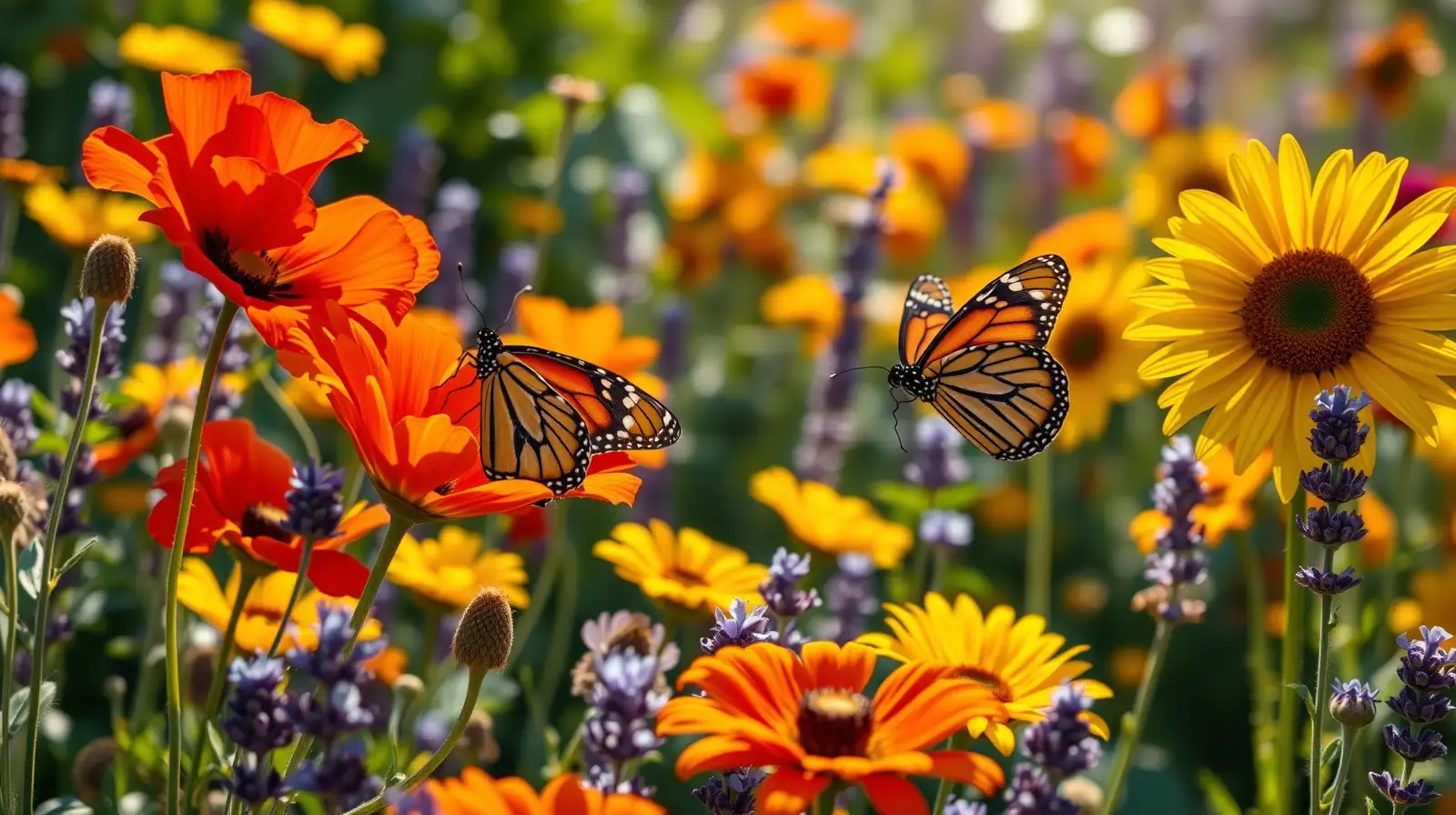
Their long, tube-like mouthpart, called a proboscis, is specially designed to reach deep into flowers. Blooms with narrow, tubular shapes are often perfect for many butterfly species, while flowers with shallow nectar may be visited by different insects instead.
Scientists believe butterflies can also remember which flowers provide the best rewards, making them surprisingly efficient foragers.
Bright purple, pink, red, orange and yellow flowers are especially attractive to many butterfly species. These colours often signal a reliable source of nectar.
Interestingly, many flowers have evolved colourful markings that act like landing guides, directing butterflies straight towards the nectar hidden inside the bloom.
Timing is equally important. Butterflies are active during the daytime, so they favour flowers that open in daylight and produce fresh nectar when they are feeding. Night-blooming flowers, on the other hand, are usually designed to attract moths or bats instead.
This synchronisation between flowers and butterflies demonstrates how closely both have adapted to one another over countless generations.
This process, known as pollination, allows plants to produce seeds and fruits. Without pollinators, many wild plants would struggle to reproduce successfully.
Although bees are often considered the most important pollinators, butterflies also make valuable contributions, particularly for certain wildflowers and garden plants.
Why Butterflies Are Selective About Flowers
Butterflies rely on flowers for one essential reason: nectar. This sweet liquid provides the energy they need to fly, escape predators and reproduce. However, not all flowers offer the same quality or quantity of nectar, so butterflies naturally become selective.Their long, tube-like mouthpart, called a proboscis, is specially designed to reach deep into flowers. Blooms with narrow, tubular shapes are often perfect for many butterfly species, while flowers with shallow nectar may be visited by different insects instead.
Scientists believe butterflies can also remember which flowers provide the best rewards, making them surprisingly efficient foragers.
Colour Plays a Bigger Role Than You Think
One of the biggest reasons butterflies prefer certain flowers is colour. Their eyesight differs from ours and allows them to detect ultraviolet light, revealing patterns on petals that humans cannot see.Bright purple, pink, red, orange and yellow flowers are especially attractive to many butterfly species. These colours often signal a reliable source of nectar.
Interestingly, many flowers have evolved colourful markings that act like landing guides, directing butterflies straight towards the nectar hidden inside the bloom.
Scent and Timing Matter Too
Although butterflies rely heavily on vision, scent also influences their choices. Sweet-smelling flowers release chemical compounds that help attract pollinators from a distance.Timing is equally important. Butterflies are active during the daytime, so they favour flowers that open in daylight and produce fresh nectar when they are feeding. Night-blooming flowers, on the other hand, are usually designed to attract moths or bats instead.
This synchronisation between flowers and butterflies demonstrates how closely both have adapted to one another over countless generations.
A Partnership That Benefits Both
The relationship between butterflies and flowers is a classic example of mutual benefit. While butterflies collect nectar, pollen sticks to their bodies and is transferred from one flower to another.This process, known as pollination, allows plants to produce seeds and fruits. Without pollinators, many wild plants would struggle to reproduce successfully.
Although bees are often considered the most important pollinators, butterflies also make valuable contributions, particularly for certain wildflowers and garden plants.
Surprising Facts About Butterfly Preferences
Researchers have discovered that butterflies often return to the same types of flowers repeatedly if they have previously found plenty of nectar there. This behaviour helps them conserve energy during long periods of feeding.Next Story