
Why Summer Holidays at Nani's House Stay with Us for Life

The summer holidays at Nani's house had their own logic. Meals arrived when you were hungry, not when the clock said so. Afternoons stretched into a kind of suspended time, the ceiling fan turning slowly, the sound of pressure cooker whistles from the kitchen, someone's radio playing in another room. Nothing was scheduled. Nothing needed to be.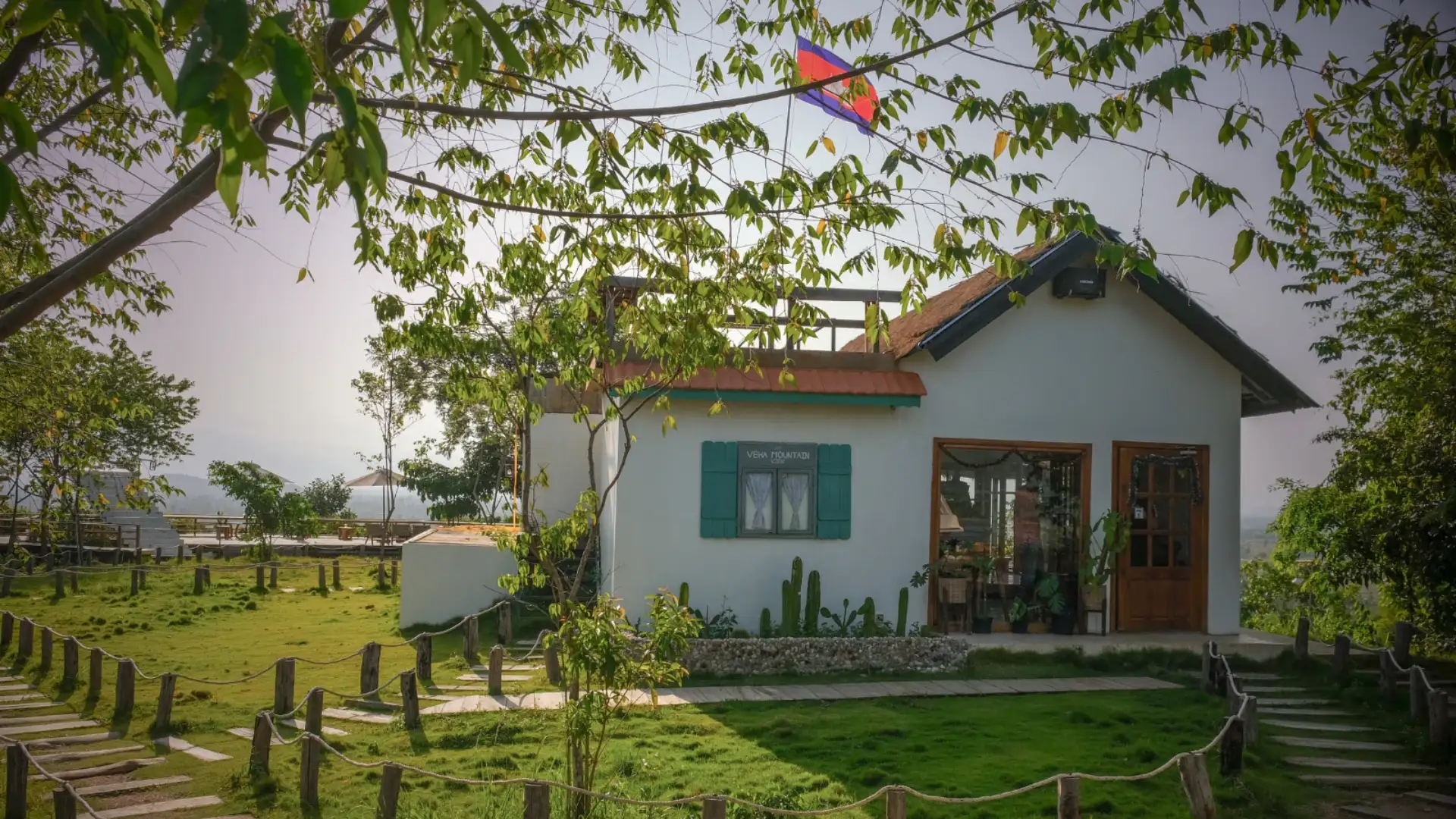
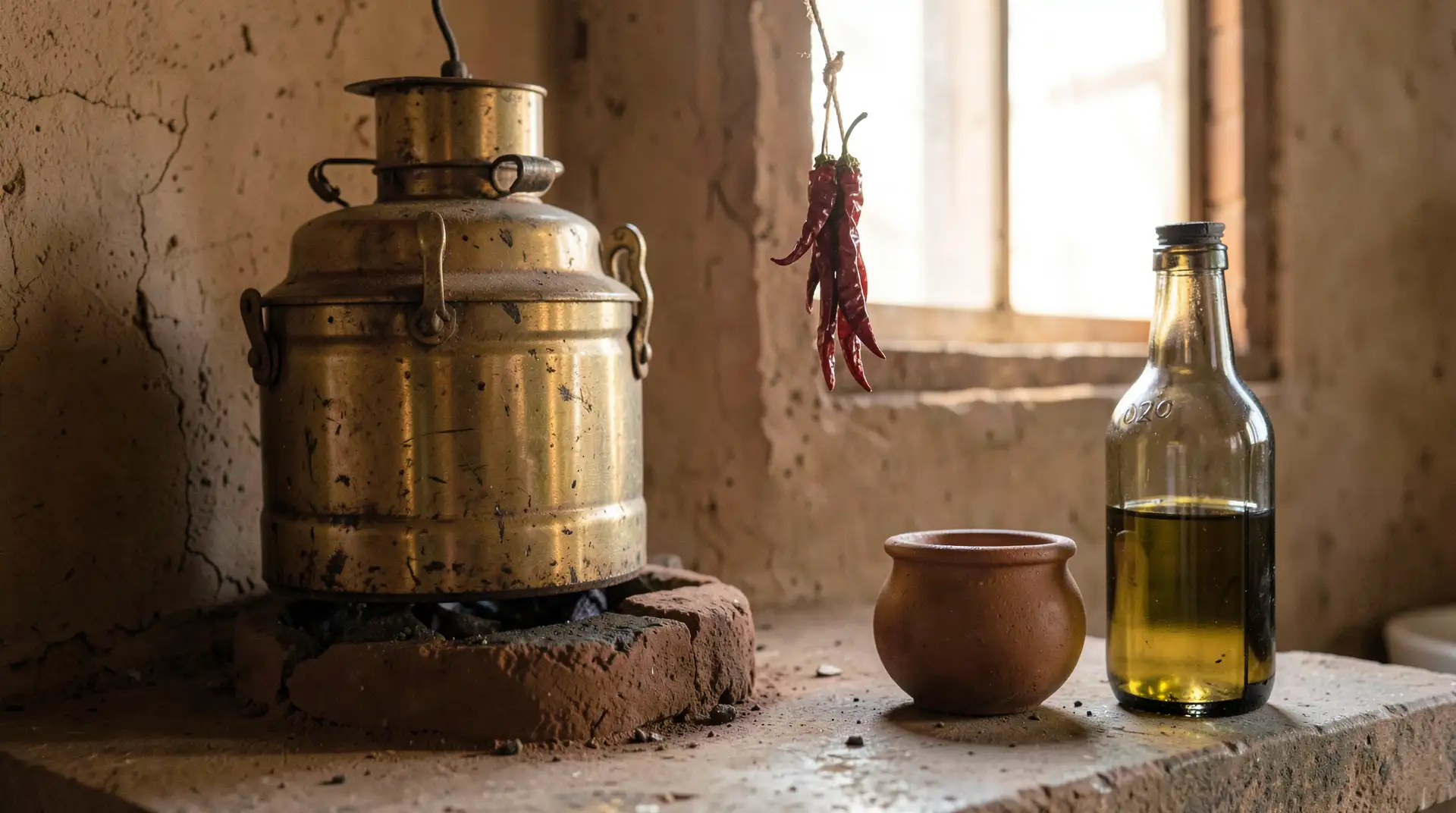
Psychologists who study childhood memory call this phenomenon place attachment, the way a physical space becomes bound to a cluster of feelings rather than individual events. The house at Nani's did not hold one memory. It held a whole atmosphere. Decades later, the smell of mustard oil heating in a pan, or the sound of a pressure cooker, can return a grown adult to a specific afternoon they have not thought about in years.
This is not sentimentality. It reflects something real about how grandparents, freed from the daily pressure of raising children, are able to offer attention of a different quality. They are not managing you. They are enjoying you. A child registers that distinction without having words for it, and the feeling of being purely enjoyed, not corrected, not shaped, just welcomed, is rare enough that it lodges permanently.
The games invented in those courtyards, the hierarchies that formed, the private jokes that lasted for years, these came from a particular condition: children thrown together with unstructured time and the benign neglect of adults who trusted the house to hold them. No camp counsellor, no organised activity. Just the afternoon and whatever you made of it.
That compression is part of why cousin-bonds from those summers often feel closer than friendships maintained across years of ordinary life. The shared world was complete in itself.
As adult life fills with obligation, those memories do not fade, they become more vivid by contrast. The unhurried afternoon at Nani's gains definition against the background of every scheduled, optimised, purpose-driven day that followed it. The memory is not just of the place. It is of a version of time that no longer exists in the same form.
Nani taught this without teaching it. It was transmitted through repetition and atmosphere, the way most important things are. The house is gone or changed. The summers ended. But the grammar of that hospitality, unhurried, unconditional, quietly abundant, travels forward in the people who were once the children sitting on that charpoy, watching the ceiling fan turn.
The House Itself Became a Character
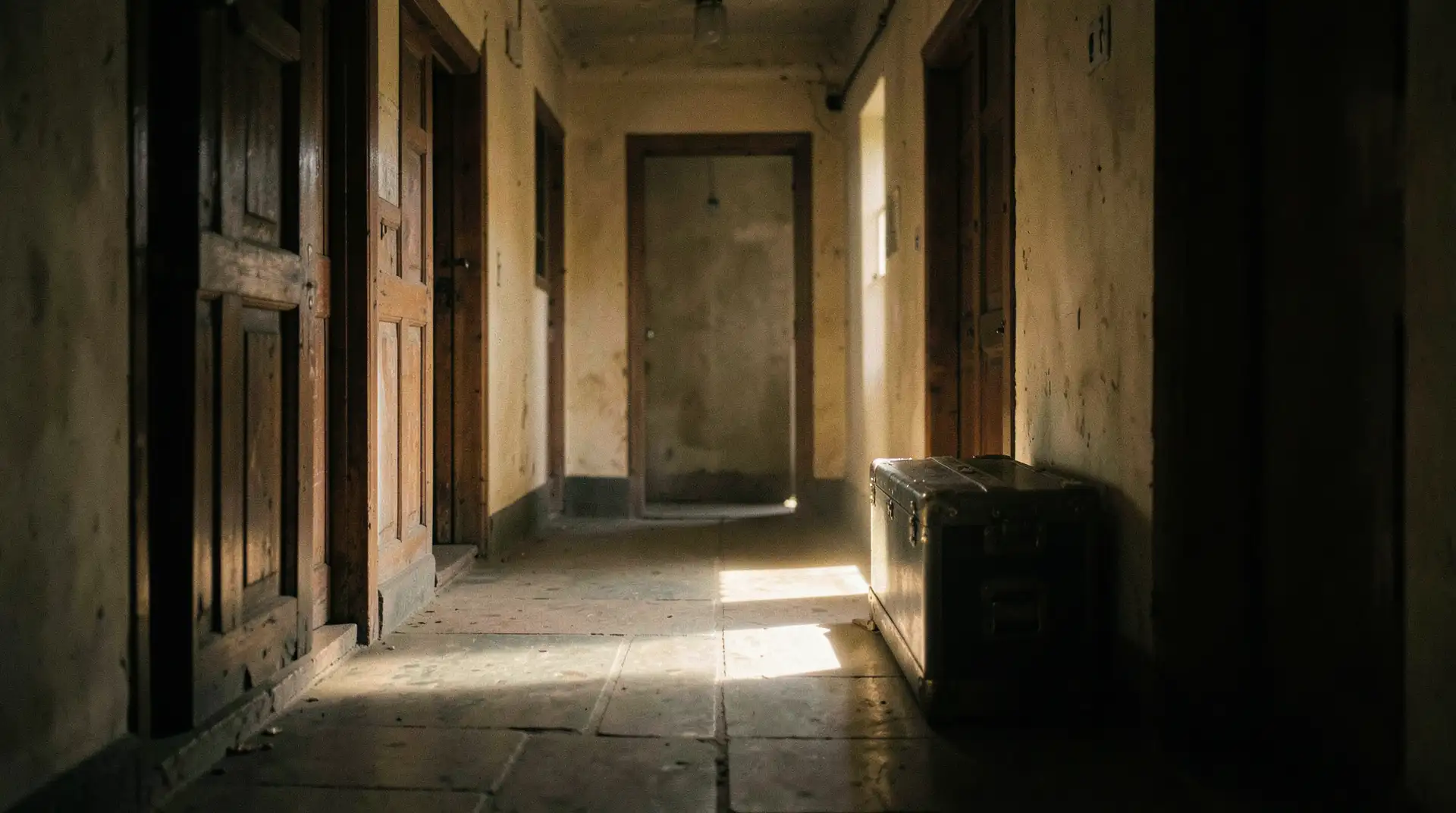
Every child who spent summers at a grandparent's home can describe it room by room. The dark corridor that smelled of old steel trunks. The kitchen where the floor was always slightly cool. The charpoy on the roof where someone slept under open sky. The particular way the front door creaked.Psychologists who study childhood memory call this phenomenon place attachment, the way a physical space becomes bound to a cluster of feelings rather than individual events. The house at Nani's did not hold one memory. It held a whole atmosphere. Decades later, the smell of mustard oil heating in a pan, or the sound of a pressure cooker, can return a grown adult to a specific afternoon they have not thought about in years.
Nani Operated on a Different Currency
At home, love often came with conditions attached, finish your homework, eat your vegetables, stop fighting with your sibling. At Nani's, the currency was different. You were loved simply for arriving. The extra roti appeared on your plate without asking. The afternoon nap was not enforced. The television stayed on past bedtime.This is not sentimentality. It reflects something real about how grandparents, freed from the daily pressure of raising children, are able to offer attention of a different quality. They are not managing you. They are enjoying you. A child registers that distinction without having words for it, and the feeling of being purely enjoyed, not corrected, not shaped, just welcomed, is rare enough that it lodges permanently.
You may also like
- 3 tips to reduce cholesterol
- Who Was Devsena? The Goddess Behind Kartikeya's Birth
- No financial worries in your old age! Understand the 'super-combo' of EPF and NPS for a perfect 25-year retirement plan..
- Is seeing Chhath Puja in a dream auspicious or inauspicious? Here are 6 significant signs according to dream interpretation.
- Ginger Storage Tips: Does ginger dry out quickly? A magical way to keep it fresh for up to 1 month.
Cousins and the Temporary Republic
For many children, Nani's house was the one place where cousins gathered. These were not school friendships built over years. They were compressed and intense, ten days that felt like a season. A whole social world assembled and then dissolved when the holidays ended.The games invented in those courtyards, the hierarchies that formed, the private jokes that lasted for years, these came from a particular condition: children thrown together with unstructured time and the benign neglect of adults who trusted the house to hold them. No camp counsellor, no organised activity. Just the afternoon and whatever you made of it.
That compression is part of why cousin-bonds from those summers often feel closer than friendships maintained across years of ordinary life. The shared world was complete in itself.
Why the Memory Sharpens as We Age
Memory does not store everything equally. It prioritises moments of strong emotion, novelty, and sensory richness, and it prioritises firsts. Childhood summers at Nani's house were often the first time a child experienced genuine freedom from routine, the first time they felt the particular quality of being a guest who is also family, the first time they understood that there were adults in the world who existed entirely for their comfort.As adult life fills with obligation, those memories do not fade, they become more vivid by contrast. The unhurried afternoon at Nani's gains definition against the background of every scheduled, optimised, purpose-driven day that followed it. The memory is not just of the place. It is of a version of time that no longer exists in the same form.
What Gets Carried Forward
The children who spent those summers grow up and find themselves doing things they cannot fully explain. They add an extra roti to a guest's plate without being asked. They let a child stay up past bedtime when the evening is going well. They keep the television on for company. They learn, without quite deciding to, the particular art of making someone feel that their arrival was the best thing that happened all week.Nani taught this without teaching it. It was transmitted through repetition and atmosphere, the way most important things are. The house is gone or changed. The summers ended. But the grammar of that hospitality, unhurried, unconditional, quietly abundant, travels forward in the people who were once the children sitting on that charpoy, watching the ceiling fan turn.






Loving Newspoint? Download the app now
