
Honey Never Really Expires: How Nature Created One of the Longest-Lasting Foods

Most foods have an expiry date, whether it is a few days, months, or years. But honey seems to break all the rules. Archaeologists have discovered ancient jars of honey that are thousands of years old and still remarkably preserved. Unlike milk, bread, or fresh fruit, honey does not easily support the growth of bacteria and fungi. Its unusual chemical composition, low moisture content, and natural protective properties make it one of the longest-lasting foods on Earth. This golden liquid, enjoyed by humans for thousands of years, is not only a sweetener but also a fascinating example of nature’s ability to preserve food.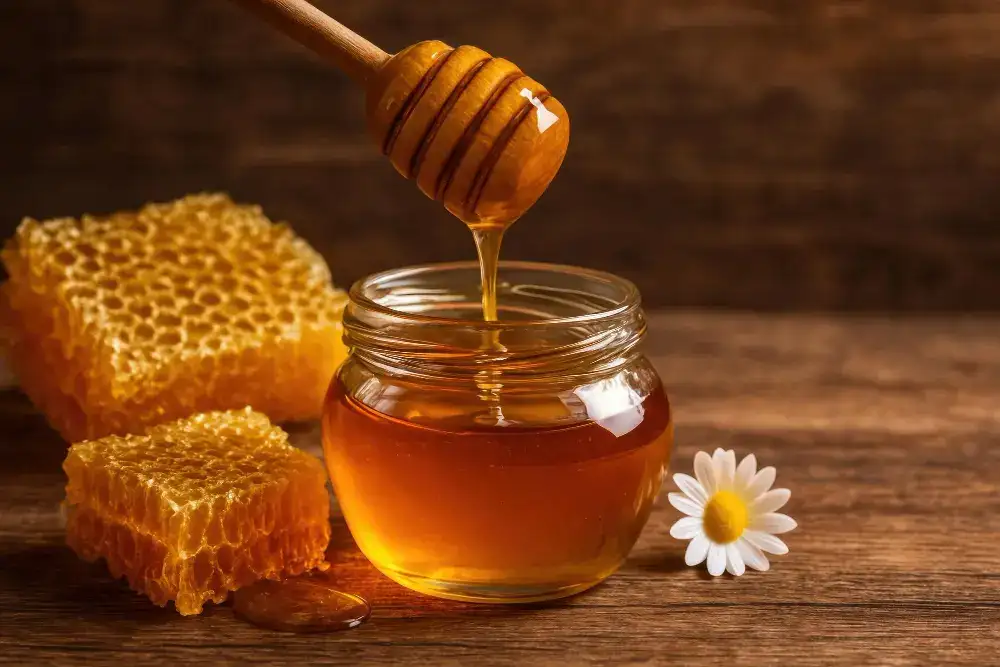
Honey is also naturally acidic, with a pH level typically between 3 and 4.5. This acidic environment creates another barrier against harmful microorganisms. Together, the low moisture and acidity make honey an unfriendly place for bacteria.
Hydrogen peroxide has natural antimicrobial properties, which further helps protect honey from spoilage. This is one reason honey has been used traditionally in wound care and natural remedies for centuries.
However, honey’s long life depends on proper storage. If water enters the jar, the balance changes and fermentation can begin. This is why keeping honey sealed and stored in a dry place is important.
The next time you add honey to tea or breakfast, remember that this simple ingredient carries a remarkable history. A jar sitting in a kitchen cupboard is connected to an ancient tradition that has survived civilisations, changing climates, and thousands of years. Honey’s ability to last so long is not just a food mystery, but a reminder of the extraordinary systems found in nature.
Why Honey Can Remain Edible for Thousands of Years
The Natural Chemistry That Protects Honey
The secret behind honey’s incredible shelf life lies in its unique chemistry. Honey contains very little water, usually around 17 to 18 per cent. Most bacteria and microorganisms need moisture to survive and multiply, but honey’s dry environment makes it extremely difficult for them to grow.Honey is also naturally acidic, with a pH level typically between 3 and 4.5. This acidic environment creates another barrier against harmful microorganisms. Together, the low moisture and acidity make honey an unfriendly place for bacteria.
You may also like
- Understanding Beauty Parlor Stroke Syndrome: Risks and Precautions
- New Toll Tax Update: Residents living within a 20 km radius will no longer have to pay the toll repeatedly..
- Passenger goes to court over a shortfall of just ₹5 in refund; Railways fined ₹10,000..
- A major railway gift for Rajasthan! The Lalgarh-Sabarmati Express could be flagged off on June 21..
- Railways Rules: How long can you stay at the station with a confirmed ticket? Know the essential railway rules..
Bees Create a Natural Preservation System
The process begins inside the beehive. Bees collect nectar from flowers and transform it into honey through a combination of enzymes and evaporation. During this process, bees add an enzyme called glucose oxidase, which helps produce small amounts of hydrogen peroxide when honey is diluted with water.Hydrogen peroxide has natural antimicrobial properties, which further helps protect honey from spoilage. This is one reason honey has been used traditionally in wound care and natural remedies for centuries.
Ancient Honey That Survived Thousands of Years
One of the most surprising discoveries about honey’s durability comes from ancient Egyptian tombs. Archaeologists have found sealed containers of honey dating back more than 3,000 years. Despite their incredible age, some samples remained preserved because they had been protected from moisture and contamination.However, honey’s long life depends on proper storage. If water enters the jar, the balance changes and fermentation can begin. This is why keeping honey sealed and stored in a dry place is important.
Why Honey Still Matters Today
Today, honey continues to play an important role in food, medicine, and sustainable agriculture. It provides a natural alternative to refined sugars and supports beekeeping, which is essential for pollination and global food production.The next time you add honey to tea or breakfast, remember that this simple ingredient carries a remarkable history. A jar sitting in a kitchen cupboard is connected to an ancient tradition that has survived civilisations, changing climates, and thousands of years. Honey’s ability to last so long is not just a food mystery, but a reminder of the extraordinary systems found in nature.






More from our partners


Loving Newspoint? Download the app now
