
Honey Never Really Expires: How Nature Created One of the Longest-Lasting Foods

Most foods have an expiry date, whether it is a few days, months, or years. But honey seems to break all the rules. Archaeologists have discovered ancient jars of honey that are thousands of years old and still remarkably preserved. Unlike milk, bread, or fresh fruit, honey does not easily support the growth of bacteria and fungi. Its unusual chemical composition, low moisture content, and natural protective properties make it one of the longest-lasting foods on Earth. This golden liquid, enjoyed by humans for thousands of years, is not only a sweetener but also a fascinating example of nature’s ability to preserve food.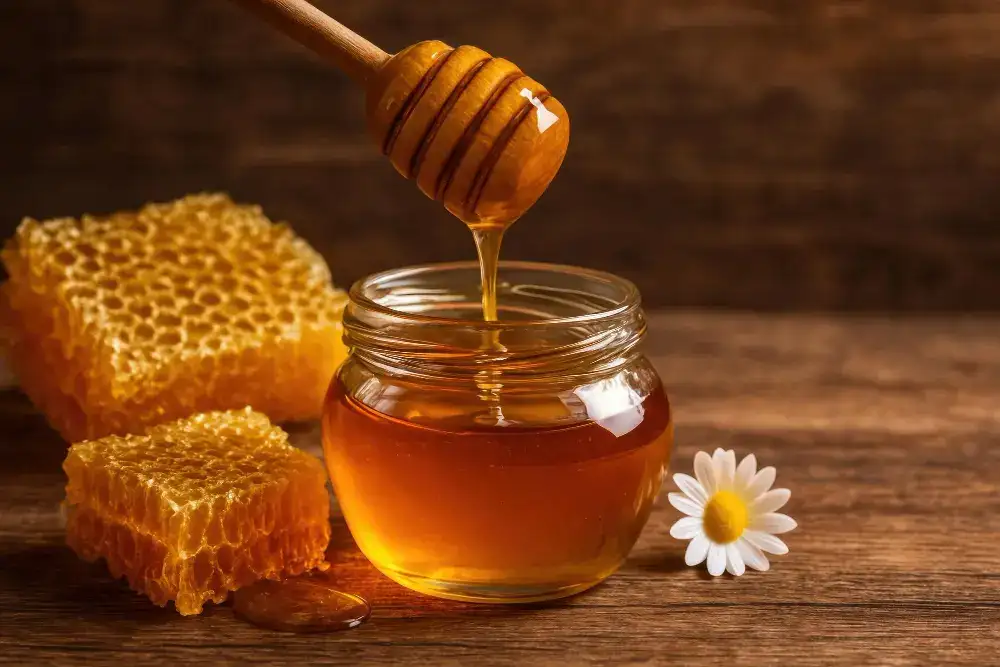
Honey is also naturally acidic, with a pH level typically between 3 and 4.5. This acidic environment creates another barrier against harmful microorganisms. Together, the low moisture and acidity make honey an unfriendly place for bacteria.
Why Honey Can Remain Edible for Thousands of Years
The Natural Chemistry That Protects Honey
The secret behind honey’s incredible shelf life lies in its unique chemistry. Honey contains very little water, usually around 17 to 18 per cent. Most bacteria and microorganisms need moisture to survive and multiply, but honey’s dry environment makes it extremely difficult for them to grow.Honey is also naturally acidic, with a pH level typically between 3 and 4.5. This acidic environment creates another barrier against harmful microorganisms. Together, the low moisture and acidity make honey an unfriendly place for bacteria.
Next Story