
Why Do Grapes Turn Into Raisins? The Fascinating Science of Fruit Preservation

A fresh grape and a raisin may look like completely different foods, but they are actually the same fruit at different stages. With time, sunlight, and careful drying, a juicy grape transforms into a wrinkled, sweet raisin that can last for months. But why does this happen so easily with grapes while most other fruits do not produce the same result? The answer lies in the grape’s natural balance of sugar, water, skin structure, and chemical composition. This simple transformation has been used for thousands of years, turning one of nature’s most delicate fruits into a long-lasting food enjoyed around the world.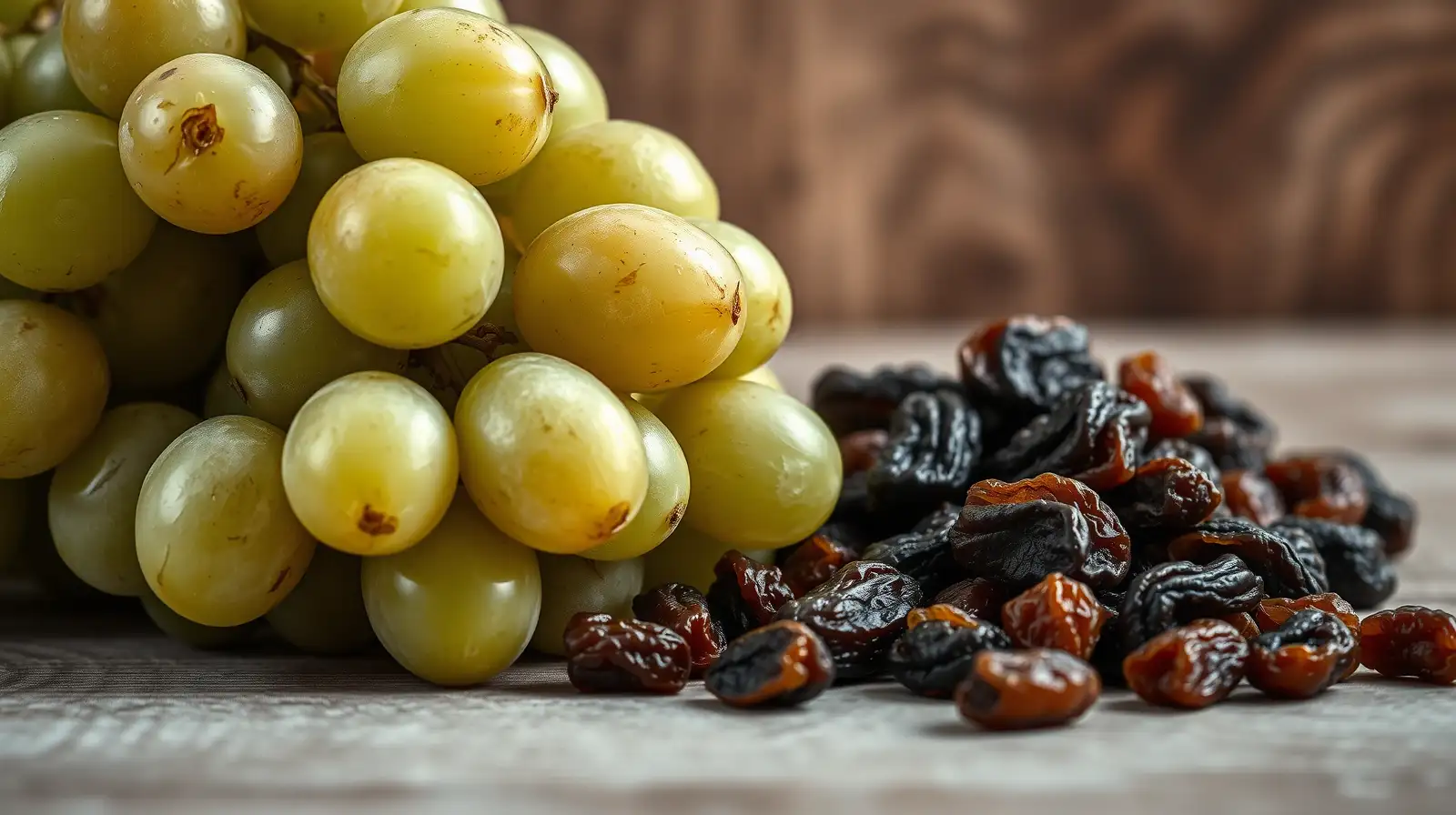
Many fruits contain high water content but do not have the same balance of sugars and structure needed to maintain flavour after losing moisture. For example, fruits like watermelon contain mostly water, so drying them can result in a very different texture and taste.
This process allows grapes to shrink slowly instead of breaking down completely. The skin acts like a natural protective layer, helping preserve the fruit during dehydration.
Why Grapes Can Become Raisins But Most Fruits Cannot
Grapes Have the Perfect Combination for Drying
The main reason grapes become raisins so successfully is their unique composition. Grapes naturally contain a high amount of sugar, especially glucose and fructose. When water slowly leaves the fruit during drying, these sugars become more concentrated, creating the sweet flavour associated with raisins.Many fruits contain high water content but do not have the same balance of sugars and structure needed to maintain flavour after losing moisture. For example, fruits like watermelon contain mostly water, so drying them can result in a very different texture and taste.
The Skin Plays an Important Role
A grape’s thin but strong skin helps control how moisture escapes. During drying, water gradually moves out while the fruit maintains its shape and concentrates its natural sugars.This process allows grapes to shrink slowly instead of breaking down completely. The skin acts like a natural protective layer, helping preserve the fruit during dehydration.
Next Story