
Are Natural Sweeteners Really Healthier Than Sugar? Here's What You Should Know

As more people try to reduce their intake of refined sugar, natural sweeteners have become increasingly popular in kitchens around the world. Honey, jaggery, dates and maple syrup are often promoted as healthier alternatives, appearing in everything from breakfast bowls and smoothies to desserts and baked goods. Their natural origin and richer nutritional profiles have helped them earn a healthier reputation, but are they truly better than ordinary sugar? The answer is more nuanced than many people realise. While natural sweeteners can offer certain advantages, they are still sources of sugar and should be consumed in moderation. Understanding their differences can help people make informed choices rather than relying on marketing claims.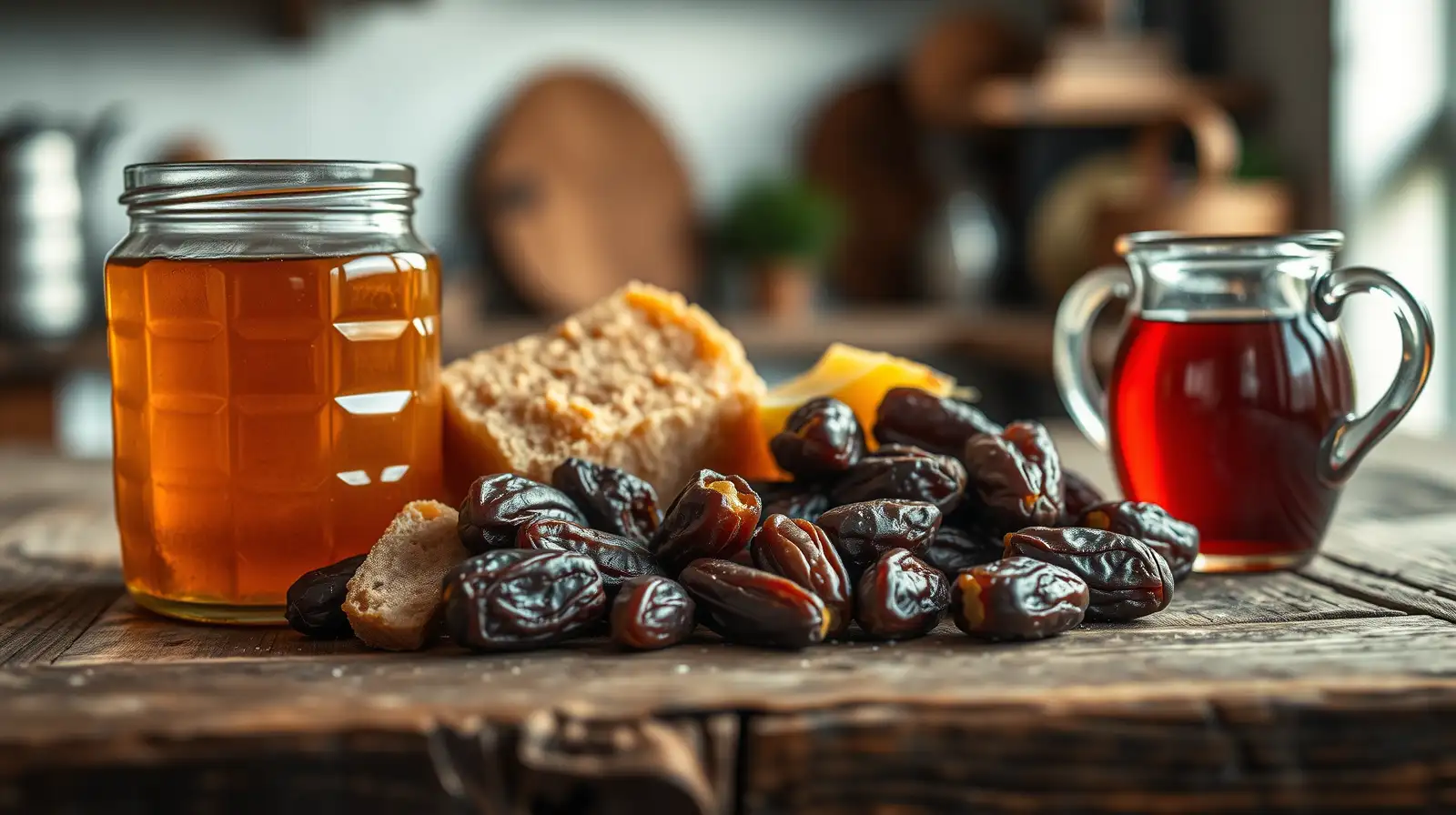
Unlike refined white sugar, many natural sweeteners undergo less processing and may retain small amounts of vitamins, minerals or antioxidants. This has led many people to believe they are automatically healthier.
However, nutrition experts emphasise that no sweetener should be viewed as a health food simply because it is natural. The overall diet remains far more important than any single ingredient.
Jaggery, made by concentrating sugarcane juice or palm sap, retains small amounts of iron, calcium and potassium that are largely removed during the production of refined sugar. It has a rich, caramel-like flavour and is widely used in traditional sweets.
Dates provide natural sweetness along with dietary fibre, potassium and antioxidants. Because whole dates retain their fibre, they are digested more slowly than many liquid sweeteners, making them a versatile ingredient for snacks and desserts.
Maple syrup, produced from the sap of maple trees, contains small amounts of manganese and zinc. Its distinctive flavour has made it a favourite topping for pancakes, porridge and baked recipes.
Why Natural Sweeteners Are Growing in Popularity
Interest in natural sweeteners has risen alongside a broader shift towards whole and minimally processed foods. Consumers are reading food labels more carefully and looking for ingredients they recognise and trust.Unlike refined white sugar, many natural sweeteners undergo less processing and may retain small amounts of vitamins, minerals or antioxidants. This has led many people to believe they are automatically healthier.
However, nutrition experts emphasise that no sweetener should be viewed as a health food simply because it is natural. The overall diet remains far more important than any single ingredient.
Comparing the Most Popular Natural Sweeteners
Honey has been valued for thousands of years and contains trace amounts of antioxidants, enzymes and minerals. Its floral flavour makes it a popular addition to tea, yoghurt and baked dishes. However, it is still high in natural sugars and calories.Jaggery, made by concentrating sugarcane juice or palm sap, retains small amounts of iron, calcium and potassium that are largely removed during the production of refined sugar. It has a rich, caramel-like flavour and is widely used in traditional sweets.
Dates provide natural sweetness along with dietary fibre, potassium and antioxidants. Because whole dates retain their fibre, they are digested more slowly than many liquid sweeteners, making them a versatile ingredient for snacks and desserts.
Maple syrup, produced from the sap of maple trees, contains small amounts of manganese and zinc. Its distinctive flavour has made it a favourite topping for pancakes, porridge and baked recipes.
Lesser-Known Facts About Natural Sweeteners
A common misconception is that natural sweeteners do not affect blood sugar levels. In reality, most of them still raise blood glucose, although the effect varies depending on the type and how they are consumed.Next Story