
How to Choose the Right Umbrella for the Monsoon: A Complete Buying Guide

An umbrella is one of the simplest yet most essential accessories during the monsoon. While almost everyone owns one, not all umbrellas are designed to handle heavy rain, strong winds, or daily commuting. Choosing the wrong umbrella can leave you drenched, struggling with broken ribs, or replacing it after just a few uses. With so many styles, sizes, and materials available today, selecting the right umbrella requires more than simply picking the first one on the shelf. Understanding the key features that matter can help you stay dry, comfortable, and prepared throughout the rainy season, whether you are walking to work, travelling, or enjoying the outdoors.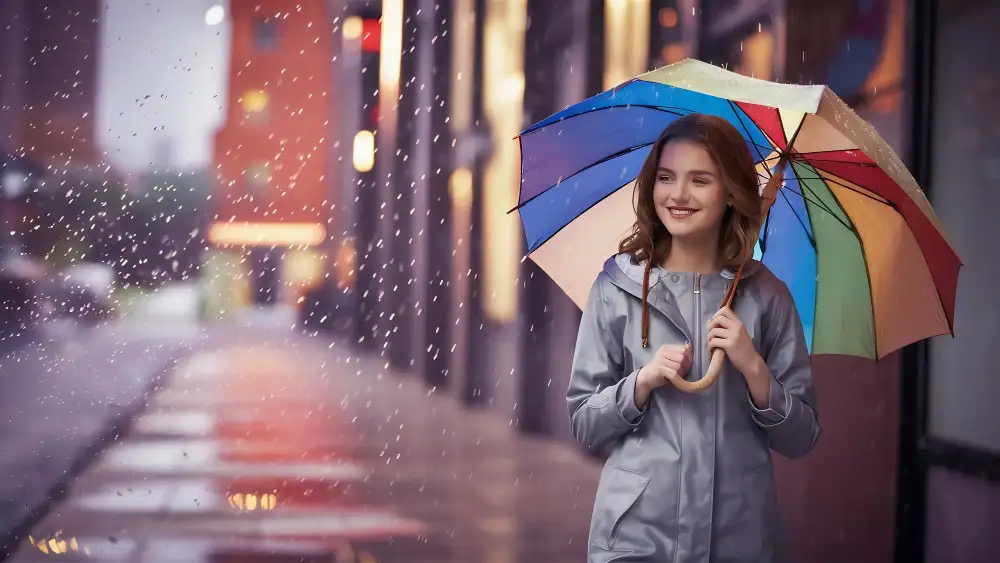
A compact umbrella is lightweight, easy to carry, and fits neatly into a backpack or handbag, making it ideal for commuters and travellers. However, its smaller canopy may offer limited coverage during heavy downpours.
A full-size umbrella provides better protection for both the user and any bags or belongings they are carrying. It is also a better choice if two people need to share it. Before buying, think about how and where you are most likely to use your umbrella.
Look for frames made from fibreglass or reinforced metal, as these materials are more flexible and resistant to wind damage than standard steel frames. Fibreglass ribs are particularly effective because they can bend without snapping in strong gusts.
A well-built frame may cost slightly more, but it often lasts for several rainy seasons, making it better value in the long run.
High-quality polyester is one of the most popular materials because it dries quickly, resists shrinking, and provides reliable water resistance. Some premium umbrellas also feature special waterproof coatings that help rainwater roll off the surface more easily.
Dark-coloured canopies often hide dirt and stains better, while lighter colours may reflect sunlight, allowing the umbrella to be used on hot summer days as well.
Automatic umbrellas open at the press of a button, making them particularly useful when stepping out of a car or building during sudden rain. They are convenient for daily use but usually contain more moving parts that may require extra care.
Manual umbrellas are generally simpler, lighter, and often more durable because they have fewer mechanical components that can fail.
Choosing between the two depends largely on personal preference and how frequently the umbrella will be used.
Many modern umbrellas are designed with vented canopies that allow wind to pass through small openings rather than lifting the umbrella upwards. This design improves stability without reducing protection from rain.
A comfortable, non-slip handle also makes it easier to hold the umbrella securely during windy conditions.
A lightweight design reduces fatigue during long walks, while a protective storage sleeve helps keep bags and clothing dry after use. Some umbrellas also include reflective strips that improve visibility when walking near traffic in poor weather.
Interestingly, the earliest umbrellas were used primarily for protection from the sun rather than the rain. Waterproof versions only became widely popular after improvements in fabric technology during the nineteenth century.
Investing in a durable, well-designed umbrella not only keeps you dry but also reduces waste by avoiding the need to replace cheaply made models every season.
Size Matters More Than You Think
The size of an umbrella plays a major role in how well it protects you from the rain.A compact umbrella is lightweight, easy to carry, and fits neatly into a backpack or handbag, making it ideal for commuters and travellers. However, its smaller canopy may offer limited coverage during heavy downpours.
A full-size umbrella provides better protection for both the user and any bags or belongings they are carrying. It is also a better choice if two people need to share it. Before buying, think about how and where you are most likely to use your umbrella.
Choose a Strong and Durable Frame
Strong winds are common during the monsoon, and a weak umbrella frame can easily bend or break.Look for frames made from fibreglass or reinforced metal, as these materials are more flexible and resistant to wind damage than standard steel frames. Fibreglass ribs are particularly effective because they can bend without snapping in strong gusts.
A well-built frame may cost slightly more, but it often lasts for several rainy seasons, making it better value in the long run.
Pay Attention to the Canopy Material
The fabric covering the umbrella is just as important as its frame.High-quality polyester is one of the most popular materials because it dries quickly, resists shrinking, and provides reliable water resistance. Some premium umbrellas also feature special waterproof coatings that help rainwater roll off the surface more easily.
Dark-coloured canopies often hide dirt and stains better, while lighter colours may reflect sunlight, allowing the umbrella to be used on hot summer days as well.
Automatic or Manual Opening?
Modern umbrellas are available with both manual and automatic opening mechanisms.Automatic umbrellas open at the press of a button, making them particularly useful when stepping out of a car or building during sudden rain. They are convenient for daily use but usually contain more moving parts that may require extra care.
Manual umbrellas are generally simpler, lighter, and often more durable because they have fewer mechanical components that can fail.
Choosing between the two depends largely on personal preference and how frequently the umbrella will be used.
You may also like
- Wamiqa Gabbi's bold pixie cut is giving Princess Diana elegance and Zendaya energy
- More than petrichor: Why rain makes us feel happier, calmer, even nostalgic
- How does an account get drained without even sharing the OTP?
- Effective Skincare Tips for Oily Skin in Monsoon
- Revive Your Dried Mascara with Simple Home Remedies
Look for Wind-Resistant Features
One of the biggest frustrations during the monsoon is an umbrella turning inside out in strong winds.Many modern umbrellas are designed with vented canopies that allow wind to pass through small openings rather than lifting the umbrella upwards. This design improves stability without reducing protection from rain.
A comfortable, non-slip handle also makes it easier to hold the umbrella securely during windy conditions.
Small Details Make a Big Difference
Several overlooked features can improve the overall experience of using an umbrella.A lightweight design reduces fatigue during long walks, while a protective storage sleeve helps keep bags and clothing dry after use. Some umbrellas also include reflective strips that improve visibility when walking near traffic in poor weather.
Interestingly, the earliest umbrellas were used primarily for protection from the sun rather than the rain. Waterproof versions only became widely popular after improvements in fabric technology during the nineteenth century.
Why Choosing the Right Umbrella Matters Today
Changing weather patterns have made rainfall increasingly unpredictable in many parts of the world. Sudden heavy showers often occur with little warning, making a dependable umbrella an everyday necessity rather than an occasional accessory.Investing in a durable, well-designed umbrella not only keeps you dry but also reduces waste by avoiding the need to replace cheaply made models every season.






Loving Newspoint? Download the app now
