
Which Lentils Have the Most Protein? A Complete Guide to Popular Varieties

Lentils have been a dietary staple for thousands of years, nourishing people across Asia, the Middle East and the Mediterranean. Affordable, versatile and easy to cook, they are one of the best plant-based sources of protein available. Yet not all lentils are exactly the same. From red and yellow lentils to black, green and brown varieties, each offers a slightly different nutritional profile, cooking texture and flavour. Understanding which lentils contain the most protein can help you build healthier meals while enjoying greater variety. The good news is that every type has something valuable to offer beyond just its protein content.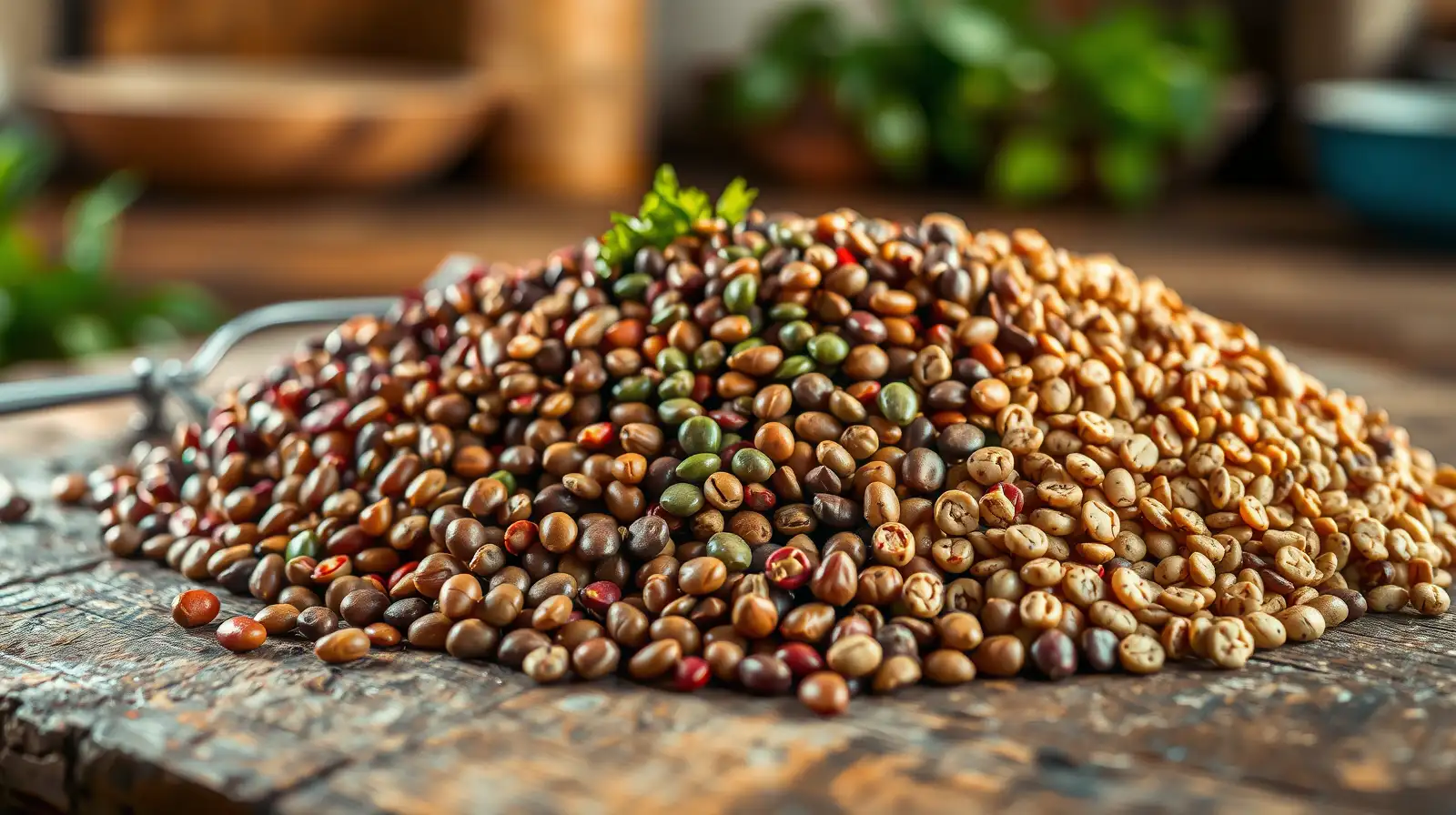
The nutritional gap is not dramatic, so choosing one variety over another should also depend on taste, cooking style and the nutrients you want alongside protein.
Whole urad dal has been used for centuries in dishes such as dal makhani, while split urad is essential for preparing traditional idli and dosa batter. Their creamy texture makes them especially satisfying in hearty meals.
Brown lentils are among the most common varieties found around the world. They cook relatively quickly and work well in curries, casseroles and vegetarian patties. Although their protein content is slightly lower than some other lentils, the difference is small enough to have little impact on a balanced diet.
Masoor dal, made from red lentils, is valued for its mild flavour and ease of digestion. Yellow lentils, including toor dal and moong dal, also provide substantial protein while supplying important minerals such as magnesium and phosphorus.
Do Different Lentils Really Vary in Protein?
All lentils are naturally rich in protein, but there are modest differences between varieties. Most cooked lentils provide around 8 to 10 grams of protein per 100 grams, making them one of the most reliable plant-based protein sources .The nutritional gap is not dramatic, so choosing one variety over another should also depend on taste, cooking style and the nutrients you want alongside protein.
Black Lentils Lead the Way
Black lentils, often known as urad dal in Indian cuisine or beluga lentils in Western cooking, are among the richest in protein. They are also an excellent source of iron, potassium and dietary fibre.Whole urad dal has been used for centuries in dishes such as dal makhani, while split urad is essential for preparing traditional idli and dosa batter. Their creamy texture makes them especially satisfying in hearty meals.
Green and Brown Lentils Offer Excellent Nutrition
Green lentils are widely used in soups, salads and stews because they hold their shape well after cooking. They provide generous amounts of protein along with folate, iron and antioxidants.Brown lentils are among the most common varieties found around the world. They cook relatively quickly and work well in curries, casseroles and vegetarian patties. Although their protein content is slightly lower than some other lentils, the difference is small enough to have little impact on a balanced diet.
Red and Yellow Lentils Cook the Fastest
Red and yellow lentils are especially popular in South Asian cooking because they soften rapidly and create smooth, creamy dals.Masoor dal, made from red lentils, is valued for its mild flavour and ease of digestion. Yellow lentils, including toor dal and moong dal, also provide substantial protein while supplying important minerals such as magnesium and phosphorus.
Next Story