
Why Public Benches Started Getting Uncomfortable on Purpose

Many people have noticed it without fully thinking about it. Public benches today often feel strangely uncomfortable. Some are divided with metal bars, others are slightly tilted, and many are deliberately narrow or awkward for lying down.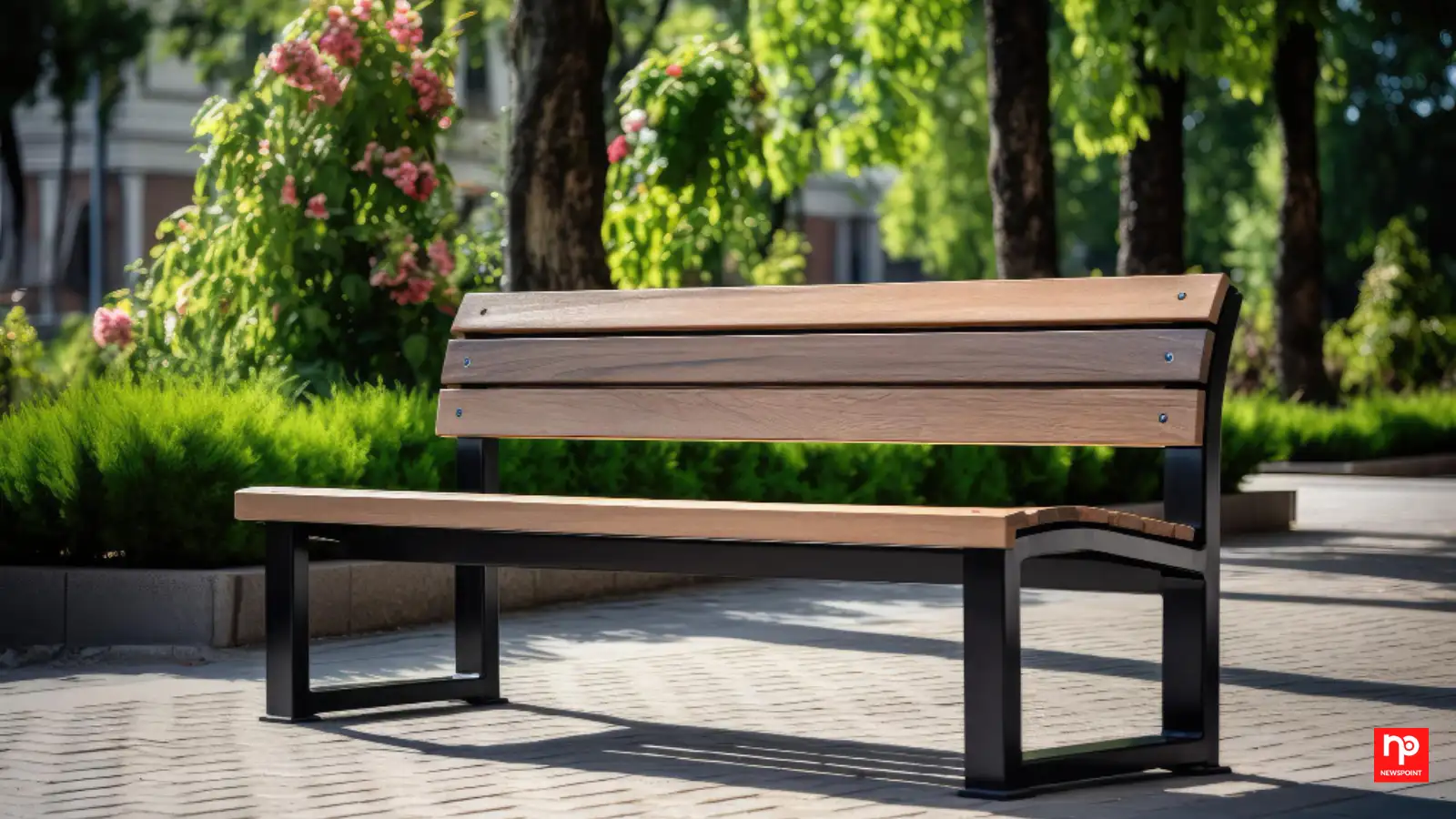
At first glance, these design choices may seem accidental or purely stylistic. In reality, many modern benches are intentionally designed to control how long people stay and how they use public spaces.
Urban designers sometimes call this defensive architecture . Critics use a harsher term known as hostile design . Either way, it reflects a growing trend in modern cities where everyday objects quietly influence public behaviour.
During the late twentieth century, however, many cities began redesigning public furniture in response to concerns around vandalism, loitering, and homelessness. Metal dividers were added to prevent sleeping, armrests limited body positioning, and curved surfaces reduced long-term comfort.
Some benches were even removed entirely from busy areas because authorities worried they encouraged people to remain too long in commercial zones.
Critics see it very differently. Many social campaigners argue these designs disproportionately target vulnerable groups, particularly homeless individuals, elderly people, and disabled residents who rely more heavily on public seating.
The debate has grown increasingly visible online, where photographs of unusual bench designs frequently spark public criticism.
Urban planners themselves remain divided. Some believe cities must balance accessibility with practical management concerns, while others argue modern urban spaces are becoming less humane and less socially welcoming.
Well-designed seating can support local businesses too. Areas where people linger comfortably often experience stronger pedestrian activity and more vibrant street culture.
This is one reason many European cities still prioritise accessible plazas, open seating areas, and pedestrian-friendly public design.
Yet design choices strongly shape how public spaces function. A bench can encourage conversation, rest, exclusion, or movement depending on its structure.
Even subtle features like spacing, material, and armrest placement can influence whether a public area feels welcoming or restrictive.
At the same time, some cities are now reversing these trends by creating more inclusive public spaces focused on accessibility and community wellbeing.
The next time an uncomfortable bench appears in a train station or shopping district, it may not simply be poor design. It may actually be carefully designed behaviour management hidden in plain sight.
At first glance, these design choices may seem accidental or purely stylistic. In reality, many modern benches are intentionally designed to control how long people stay and how they use public spaces.
Urban designers sometimes call this defensive architecture . Critics use a harsher term known as hostile design . Either way, it reflects a growing trend in modern cities where everyday objects quietly influence public behaviour.
How Bench Design Changed Over Time
Historically, public benches were designed mainly for rest and social interaction. Parks, railway stations, and town centres often included long wooden seating where people could comfortably gather, relax, or wait for extended periods.During the late twentieth century, however, many cities began redesigning public furniture in response to concerns around vandalism, loitering, and homelessness. Metal dividers were added to prevent sleeping, armrests limited body positioning, and curved surfaces reduced long-term comfort.
Some benches were even removed entirely from busy areas because authorities worried they encouraged people to remain too long in commercial zones.
The Debate Around Hostile Urban Design
Supporters argue that defensive architecture improves safety, cleanliness, and public order. They claim certain design features discourage anti-social behaviour and reduce maintenance costs in crowded cities.Critics see it very differently. Many social campaigners argue these designs disproportionately target vulnerable groups, particularly homeless individuals, elderly people, and disabled residents who rely more heavily on public seating.
The debate has grown increasingly visible online, where photographs of unusual bench designs frequently spark public criticism.
Urban planners themselves remain divided. Some believe cities must balance accessibility with practical management concerns, while others argue modern urban spaces are becoming less humane and less socially welcoming.
Why Comfortable Public Spaces Matter
Research in environmental psychology shows that comfortable public seating encourages social interaction, community activity, and mental wellbeing. People are more likely to spend time outdoors when public spaces feel inviting and safe.Well-designed seating can support local businesses too. Areas where people linger comfortably often experience stronger pedestrian activity and more vibrant street culture.
This is one reason many European cities still prioritise accessible plazas, open seating areas, and pedestrian-friendly public design.
The Hidden Influence of Everyday Objects
One reason hostile architecture often goes unnoticed is because people rarely question ordinary objects. Benches, railings, and barriers blend into urban environments so naturally that their behavioural influence becomes almost invisible.Yet design choices strongly shape how public spaces function. A bench can encourage conversation, rest, exclusion, or movement depending on its structure.
Even subtle features like spacing, material, and armrest placement can influence whether a public area feels welcoming or restrictive.
What Modern Cities Are Really Communicating
Public furniture reflects wider social priorities. When benches become less comfortable, it often signals broader urban concerns around surveillance, commercialisation, and public control.At the same time, some cities are now reversing these trends by creating more inclusive public spaces focused on accessibility and community wellbeing.
The next time an uncomfortable bench appears in a train station or shopping district, it may not simply be poor design. It may actually be carefully designed behaviour management hidden in plain sight.
Next Story