
The Quiet Language of Couples Who Have Been Together for Decades

There is a moment, somewhere in a long marriage, when one person starts a sentence and the other finishes it, not to show off, but because the thought was already there. Most couples do not notice when this begins. It arrives without announcement, tucked between the groceries and the arguments and the years of sleeping in the same bed.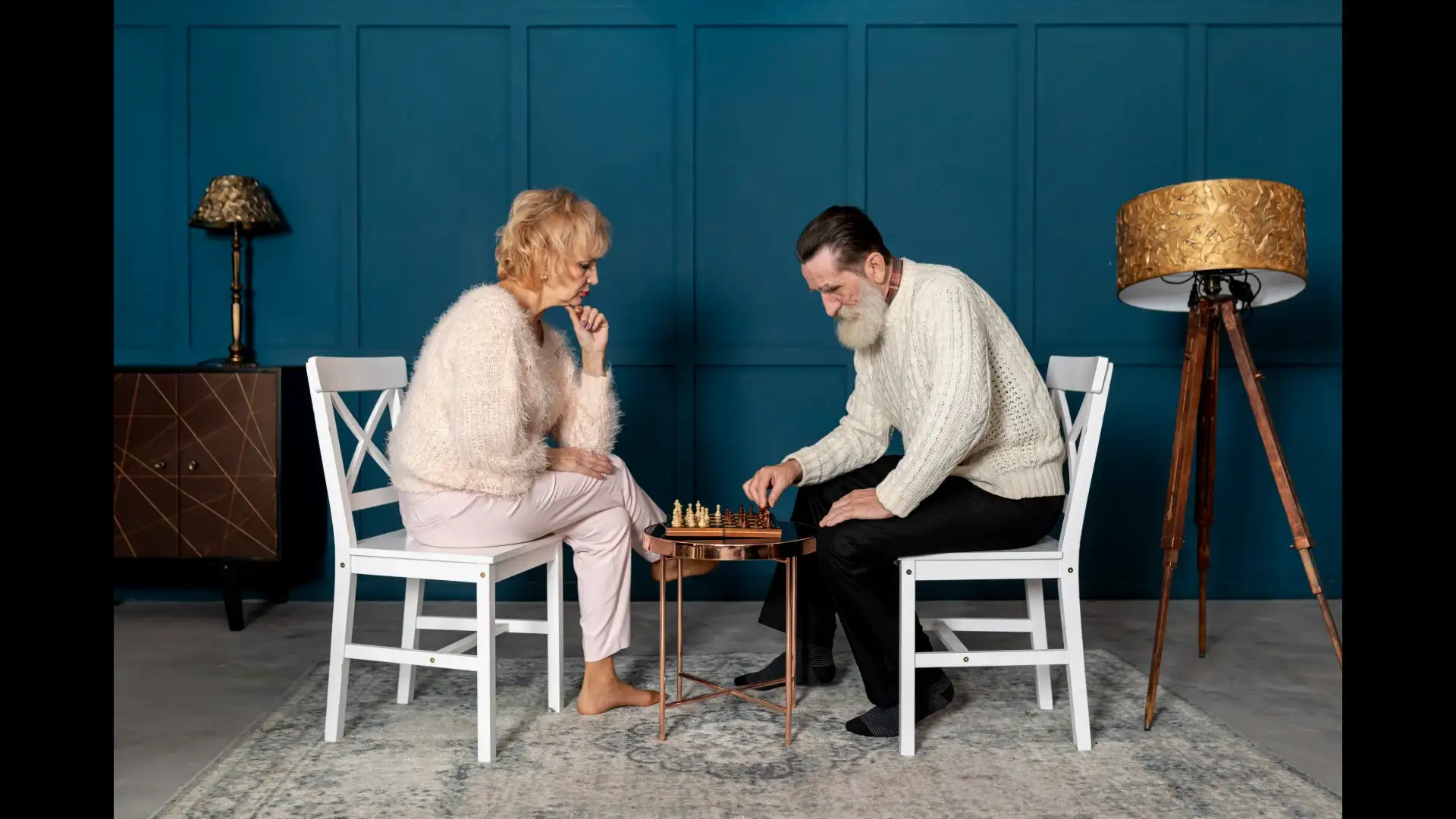
What makes this remarkable is the precision. The same eyes that once needed a full explanation to understand now read a micro-expression in under a second. The face becomes a familiar text, and the reader has had years of practice.
The silence of long-term couples is not empty. It carries the residue of every conversation they have already had. The question that does not need asking. The reassurance that does not need saying. A quiet room between two people who know each other well is one of the most densely inhabited spaces there is.
This shared language is not trivial. It is the accumulated evidence of a shared life. Each entry in the dictionary is a moment that mattered enough to keep. The couple who laughs at a reference no one else catches is not being exclusive, they are speaking the only language fluent enough for what they mean.
This is pattern recognition built over thousands of small observations. The body learns to read the body it has lived beside. It is not mind-reading. It is attention, accumulated and stored, operating quietly below the level of conscious thought.
Couples who have been together for decades and still speak this way did not arrive there by luck. They stayed in the room when leaving was simpler. They asked the question when silence would have been more comfortable. The language is quiet now because so much was said, loudly and honestly, to get here.
The glance across the room, the finished sentence, the silence that needs no filling, none of it is magic. It is the slow residue of two people choosing, again and again, to keep paying attention to each other. The language forms itself. The choosing is the work.
The Look That Replaces a Paragraph
Long-term couples develop a vocabulary of glances. One look means "let's leave soon". Another means "I told you so" without the cruelty. A third, slower and softer, means something that has no word in any language. These are not signals agreed upon in advance. They are worn in, like a path through grass, used so often that the route becomes visible on its own.What makes this remarkable is the precision. The same eyes that once needed a full explanation to understand now read a micro-expression in under a second. The face becomes a familiar text, and the reader has had years of practice.
The Comfortable Silence
New couples fear silence. It feels like a gap that needs filling. Decades in, silence changes shape entirely. Two people can sit in the same room reading different things, not speaking, and both feel accompanied. This is not indifference. It is the rarest form of ease, the kind that only arrives when you have stopped performing for each other.The silence of long-term couples is not empty. It carries the residue of every conversation they have already had. The question that does not need asking. The reassurance that does not need saying. A quiet room between two people who know each other well is one of the most densely inhabited spaces there is.
Shorthand and the Private Dictionary
Every long couple builds a private dictionary. Inside references that would mean nothing to anyone else. A word that got mispronounced once and stuck. A phrase from a holiday that became the shorthand for an entire feeling. A nickname that started as a joke and outlasted the joke by twenty years.This shared language is not trivial. It is the accumulated evidence of a shared life. Each entry in the dictionary is a moment that mattered enough to keep. The couple who laughs at a reference no one else catches is not being exclusive, they are speaking the only language fluent enough for what they mean.
Anticipation Without Asking
One of the stranger gifts of a long relationship is knowing what the other person needs before they say it. Not in a mystical sense, in a deeply ordinary one. He comes home in a particular way and she already knows it was a hard day. She goes quiet at a certain angle and he knows to give her the room, not the conversation.This is pattern recognition built over thousands of small observations. The body learns to read the body it has lived beside. It is not mind-reading. It is attention, accumulated and stored, operating quietly below the level of conscious thought.
What This Language Actually Costs
The quiet language of long couples is not a given. It is built through conflict as much as through tenderness. Every argument that ended in repair added a layer of understanding. Every hard conversation that could have been avoided but wasn't made the next one easier to have. The fluency comes from all of it, not just the easy years.Couples who have been together for decades and still speak this way did not arrive there by luck. They stayed in the room when leaving was simpler. They asked the question when silence would have been more comfortable. The language is quiet now because so much was said, loudly and honestly, to get here.
The glance across the room, the finished sentence, the silence that needs no filling, none of it is magic. It is the slow residue of two people choosing, again and again, to keep paying attention to each other. The language forms itself. The choosing is the work.
Next Story