
Why a Borrowed Dabba Is Never Returned Empty in Indian Homes

Hand a neighbour a dabba of biryani, and when it comes back, it will have something in it. Maybe four pieces of barfi. Maybe a cup of kheer. Maybe just a small mound of sugar if nothing else was ready. The dabba will not come back empty. This is one of those rules that nobody announced and nobody breaks, a quiet inheritance passed from mother to daughter to daughter-in-law without a single formal lesson.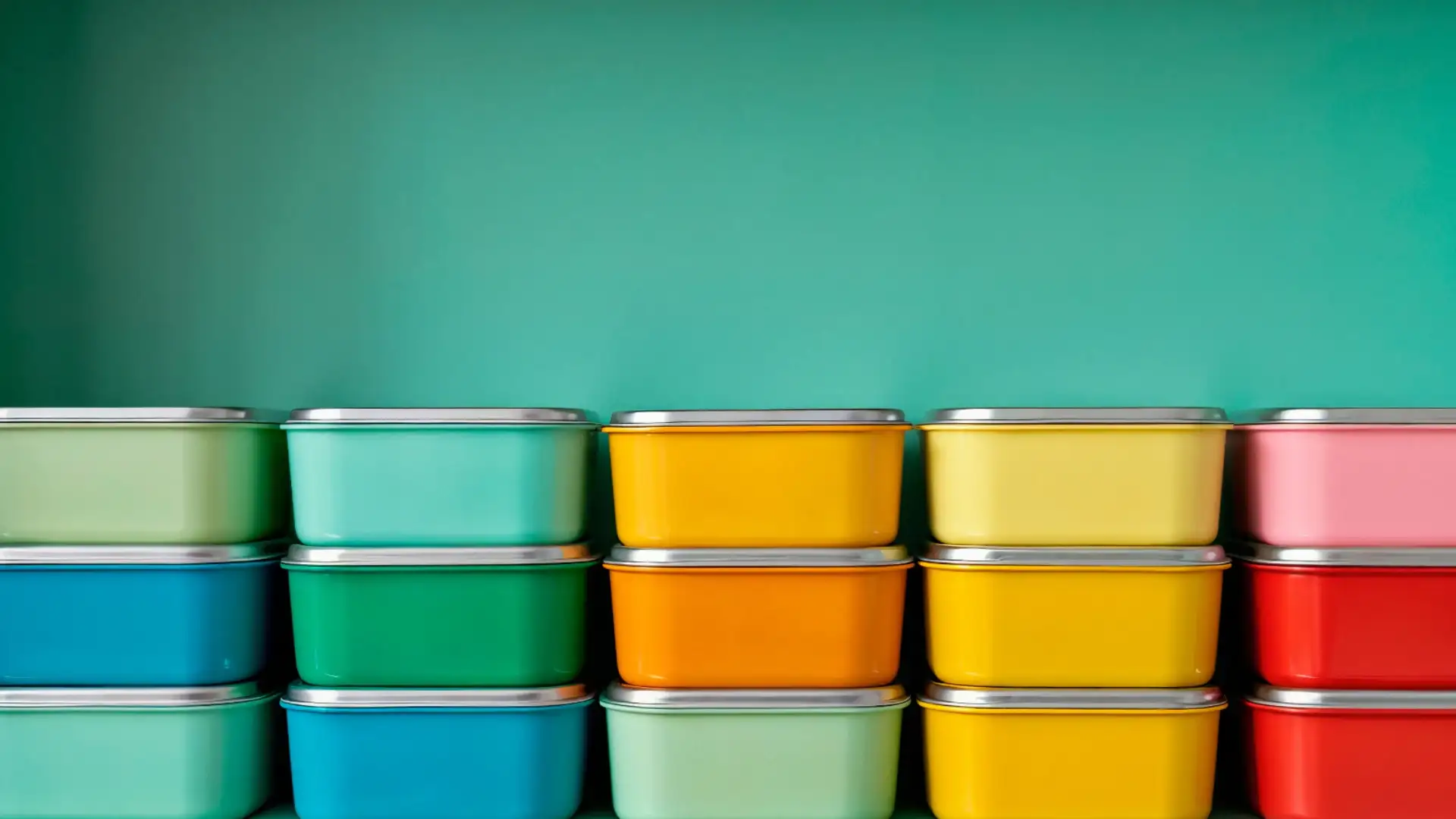
What the Empty Dabba Would Say
Returning a vessel empty is, in the logic of the Indian home, a statement you do not want to make. An empty container suggests the food inside was consumed and nothing came back in its place, a one-way transaction. In a culture where food is not simply fuel but a form of care, receiving care and sending nothing back reads as ingratitude, even if no ingratitude was intended. The empty dabba announces a closed loop where the giver gave and the taker only took. The return gift, however small, reopens the exchange and keeps the relationship alive.The Logic of Reciprocal Giving
Anthropologists who study gift economies describe a pattern found across many cultures: a gift given creates an obligation, not of debt but of relationship. The return is not repayment. It is acknowledgement. It says: I received what you sent, I thought of you when I was in my kitchen, here is proof. In Indian households this plays out not in grand gestures but in the smallest transfers, a few pieces of chakli, a square of halwa, a paper packet of namkeen. The size of the return gift is almost never proportional to what was sent, and that is the point. Proportionality would make it commerce. The small, slightly mismatched return is what keeps it human.You may also like
- What is Trisomy 18 (Edwards Syndrome)? A Guide for Expectant Parents
- Psychology says people who spend money on others may feel happier than those who spend it on themselves
- Increased Concern for Home Loan Borrowers! HDFC Bank Raises Interest Rates; Find Out Whose EMIs Will Be Affected
- No fees, no separate application required! Specialized AI training begins in schools.
- Indian doctors are often mocked for saying 'gastroenterologist' differently; linguistics explains why they aren't wrong
How the Dabba Moves Through the Neighbourhood
The dabba economy is most visible during festivals. A household makes kheer for Janmashtami and sends portions to four neighbours. Each of those neighbours sends the dabba back with something, one with coconut laddoo, one with mathri, one with a handful of dry fruits, one with a piece of their own kheer made slightly differently. By evening a single household has tasted four kitchens without anyone planning it. The dabba becomes a slow, uncoordinated potluck. Festivals are its busiest season, but the practice runs through ordinary weeks too: a relative's visit produces extra halwa, the neighbour gets a share, the dabba comes back with something from their kitchen. The exchange is not about hunger. It is about staying woven into each other's daily life.The Unspoken Rules Inside the Rule
There are finer points that no one writes down. The return item should ideally be homemade, or at least home-assembled, a store-bought biscuit packet feels thin. If nothing is cooked, a few pieces of fruit or a small amount of sugar is acceptable; the gesture matters more than the ingredient. The dabba should be washed before it is returned, never sticky or smelling of the food it carried. And it should come back reasonably quickly, a dabba sitting in someone's kitchen for two weeks starts to feel like the relationship has cooled. Children are often the messengers, sent across the landing or down the street with the returned box, which gives them an early lesson in the obligation without anyone explaining the obligation to them.What Holds It Together
No law, no social media reminder, no written etiquette guide enforces this practice. What holds it is something simpler: the understanding that a neighbourhood or a family is not a collection of separate units who happen to share a wall. It is a system of small, continuous exchanges that keep people oriented toward each other. The dabba is one node in that system. Returning it empty would not cause a fight. It would simply signal a withdrawal, a step back from the web of mutual attention that makes a neighbourhood feel like one. The food inside the returned dabba is almost incidental. What travels with it is the message that the kitchen next door is still thinking of yours.





Loving Newspoint? Download the app now
