
How Birds Help Spread Flower Seeds and Shape Nature's Landscapes

When people think about birds helping plants, pollination often comes to mind. Yet one of their most important contributions happens long after a flower has bloomed. Birds play a remarkable role in spreading flower seeds, allowing plants to colonise new areas and maintain healthy ecosystems. Every day, birds carry seeds across forests, grasslands, mountains and even cities without realising it. Some transport seeds after eating fruits, while others accidentally carry them on their feathers or feet. This natural partnership has existed for millions of years and continues to shape landscapes around the world. Understanding how birds spread flower seeds highlights just how interconnected wildlife and plant life truly are.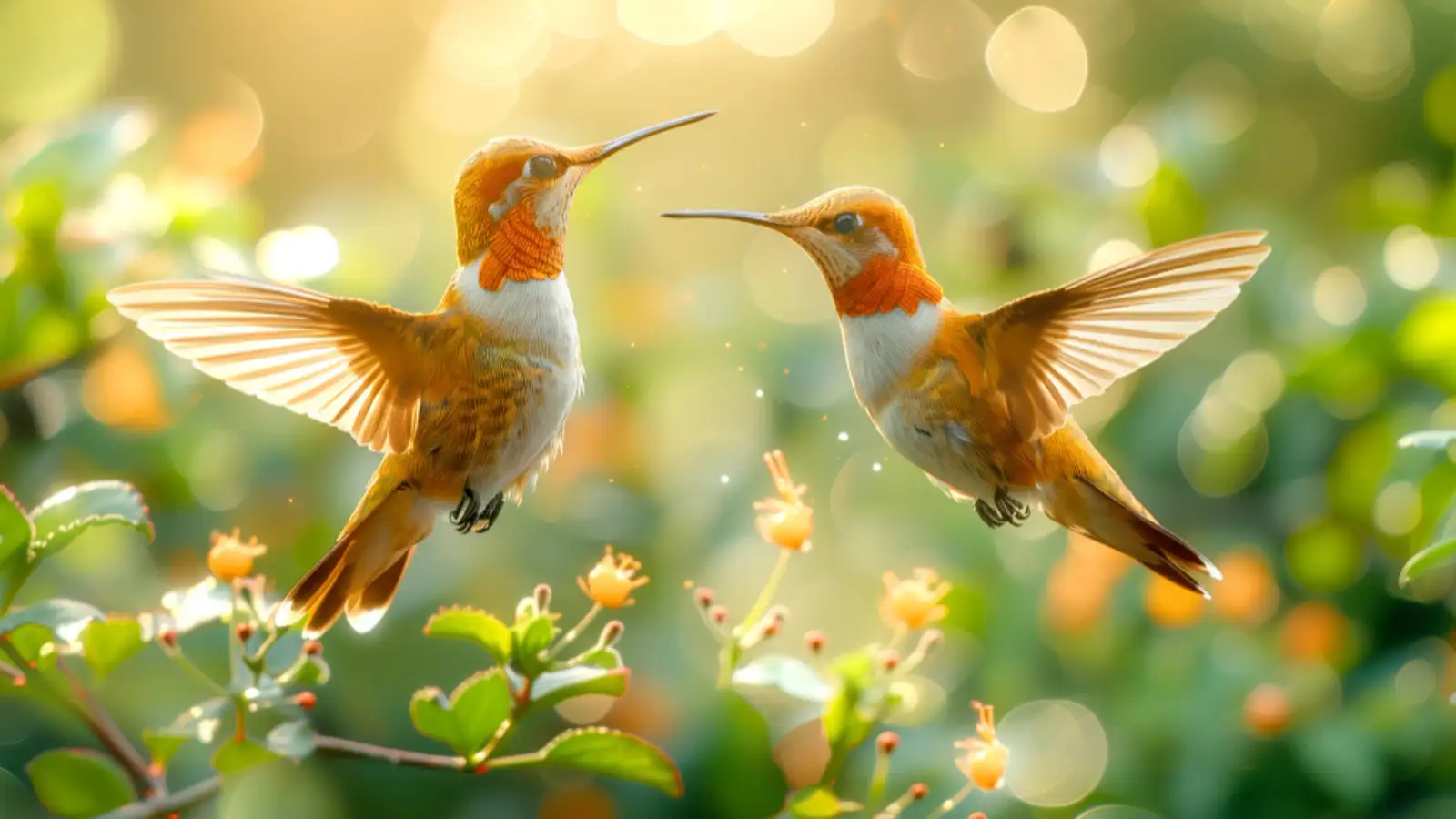
As birds travel in search of food, water or nesting sites, they eventually release these seeds in different locations. The seeds often land far from the parent plant, reducing competition for sunlight, water and nutrients.
This process, known as seed dispersal , gives young plants a much better chance of surviving and expanding into new habitats.
Other birds transport seeds externally. Tiny seeds can cling to muddy feet, feathers or even be carried in nesting materials before falling into new locations.
Some species, including jays, are also known for storing seeds as food reserves. Forgotten seeds often germinate, leading to the growth of entirely new plants.
Birds help solve this problem by distributing seeds over wide areas. This increases plant diversity, strengthens ecosystems and helps flowering plants recover after storms, fires or other natural disturbances.
How Birds Become Nature's Seed Carriers
Many flowering plants produce colourful fruits specifically to attract birds. After eating the fruit, birds digest the nutritious flesh but leave the hard seeds largely unharmed.As birds travel in search of food, water or nesting sites, they eventually release these seeds in different locations. The seeds often land far from the parent plant, reducing competition for sunlight, water and nutrients.
This process, known as seed dispersal , gives young plants a much better chance of surviving and expanding into new habitats.
Different Birds Spread Seeds in Different Ways
Not all birds disperse seeds in the same manner. Fruit-eating birds such as thrushes, bulbuls and hornbills are among the most effective seed carriers because they consume large numbers of berries and small fruits.Other birds transport seeds externally. Tiny seeds can cling to muddy feet, feathers or even be carried in nesting materials before falling into new locations.
Some species, including jays, are also known for storing seeds as food reserves. Forgotten seeds often germinate, leading to the growth of entirely new plants.
Why Seed Dispersal Is So Important
If seeds simply dropped beneath the parent plant, many would struggle to survive. Young seedlings would compete with mature plants for light, moisture and nutrients, making growth far more difficult.Birds help solve this problem by distributing seeds over wide areas. This increases plant diversity, strengthens ecosystems and helps flowering plants recover after storms, fires or other natural disturbances.
Next Story