
How Wildflowers Help Save Endangered Bees and Why They Matter More Than Ever

A field filled with colourful wildflowers is more than just a beautiful landscape. It is a lifeline for countless bee species struggling to survive in a rapidly changing world. While honeybees often receive the most attention, many wild bee species are now endangered due to habitat loss , intensive farming, pollution and climate change. Wildflowers provide these essential pollinators with food, shelter and breeding opportunities that cultivated plants often cannot match. As scientists continue to study declining bee populations , one solution keeps proving its value: protecting and restoring wildflower habitats. Their survival is closely linked to the future of both wildlife and global food production.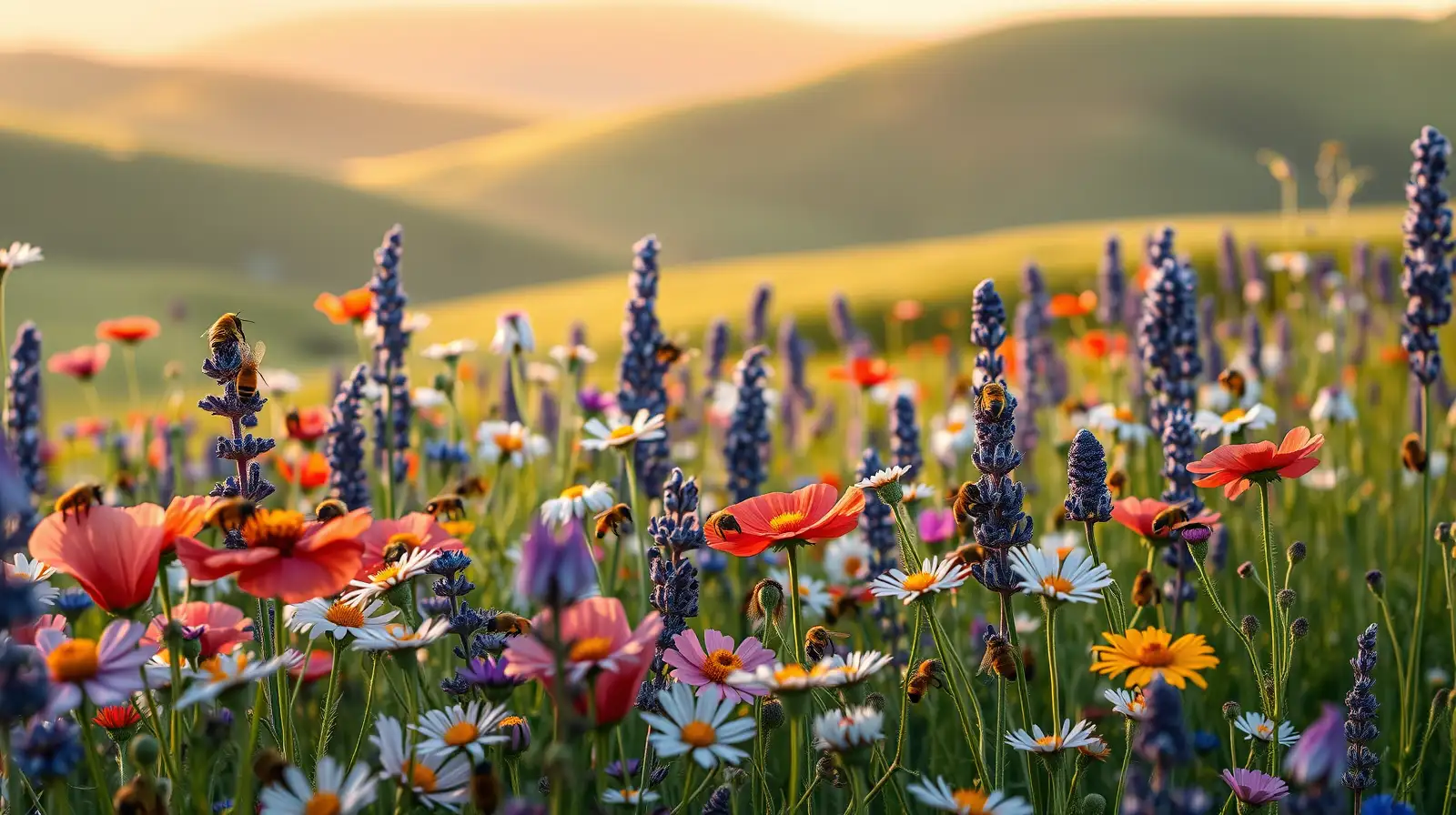
Different bee species have evolved alongside particular wildflowers. Some solitary bees, for example, collect pollen from only a handful of native plant species. If those flowers disappear, the bees may have nowhere else to feed or reproduce.
This close relationship means that protecting wildflowers is often one of the most effective ways to support endangered bee populations.
This staggered blooming season provides bees with a reliable source of nectar and pollen from spring through to autumn. It is especially important for queen bees emerging after winter and for young bees developing later in the season.
Without this continuous supply of food, many bee colonies and solitary species struggle to survive.
Many solitary bees build nests in the bare ground found among wildflower meadows, while others use hollow stems left behind after flowering plants die back. Dense vegetation also offers protection from predators and harsh weather.
Why Endangered Bees Depend on Wildflowers
Bees rely on nectar for energy and pollen for protein, which is vital for raising their young. Wildflowers offer both in abundance, often producing richer and more diverse food sources than ornamental garden plants or large-scale crops.Different bee species have evolved alongside particular wildflowers. Some solitary bees, for example, collect pollen from only a handful of native plant species. If those flowers disappear, the bees may have nowhere else to feed or reproduce.
This close relationship means that protecting wildflowers is often one of the most effective ways to support endangered bee populations.
A Continuous Food Supply Throughout the Seasons
One of the greatest strengths of wildflower meadows is their diversity. Unlike many crops that bloom for only a few weeks, different wildflower species flower at different times of the year.This staggered blooming season provides bees with a reliable source of nectar and pollen from spring through to autumn. It is especially important for queen bees emerging after winter and for young bees developing later in the season.
Without this continuous supply of food, many bee colonies and solitary species struggle to survive.
More Than Food: A Safe Home for Bees
Wildflower habitats provide more than just nourishment. They also create ideal environments for nesting and shelter.Many solitary bees build nests in the bare ground found among wildflower meadows, while others use hollow stems left behind after flowering plants die back. Dense vegetation also offers protection from predators and harsh weather.
Next Story