
Visiting Estonia? Add These 8 Attractions in Tallinn to Your Itinerary

Estonia's capital, Tallinn, offers a combination of medieval architecture, historic squares, maritime attractions and contemporary cultural spaces. Its Old Town is known for its preserved streets and historic buildings, while neighbourhoods beyond the centre offer a different perspective on the city's creative life.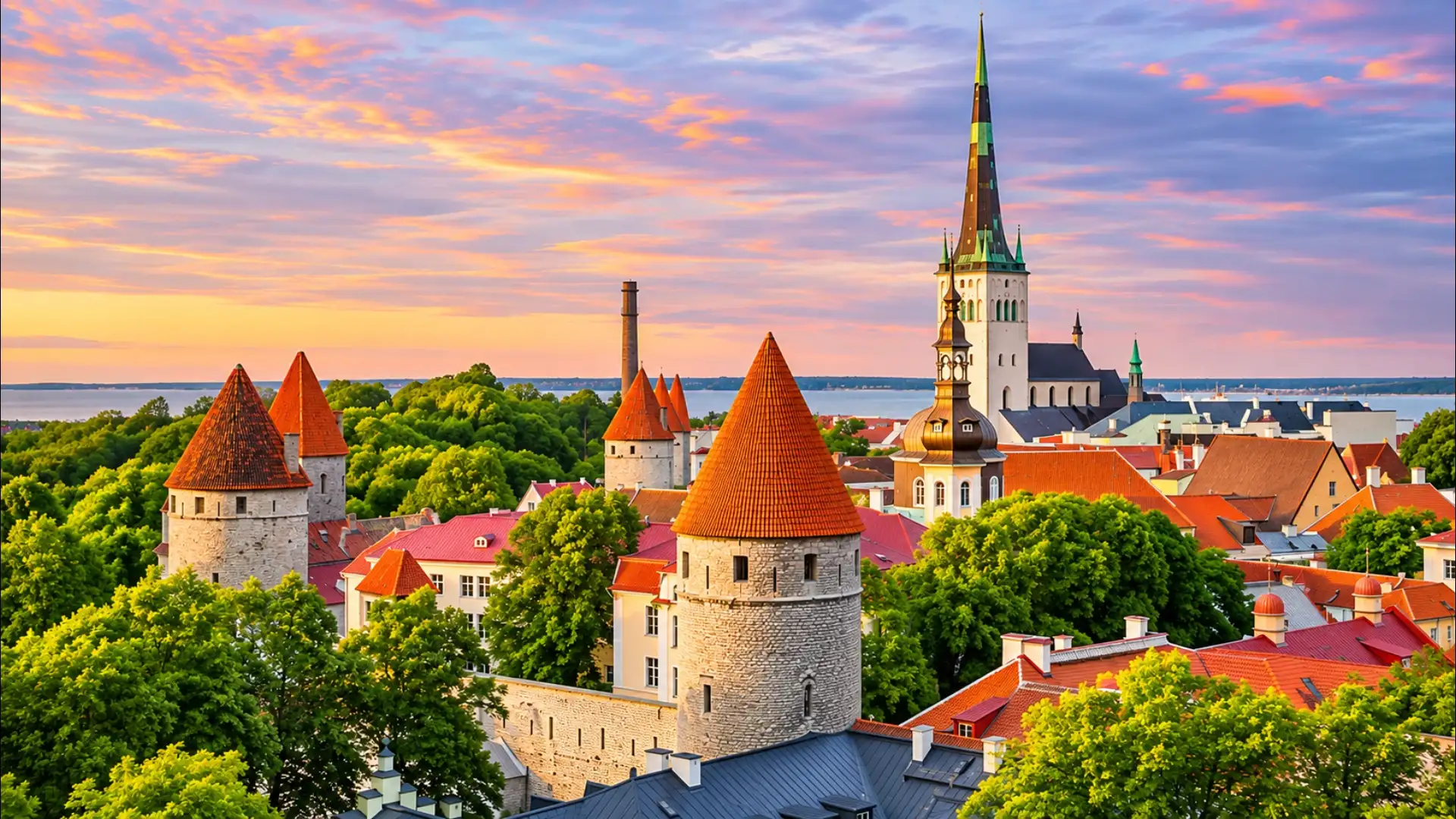
The historic centre was added to the UNESCO World Heritage List in 1997. However, Tallinn is not simply an outdoor museum. It remains a working city with cafes, shops, galleries and lively public spaces. Here are eight places to explore during a first visit.
The Gothic Tallinn Town Hall, dating from the 13th century, stands beside the square. Visit Tallinn describes it as the oldest surviving Gothic town hall in Northern Europe. The nearby Town Hall Pharmacy is another historic landmark, with a history stretching back around 600 years.
The square is surrounded by cafés and historic buildings, making it a convenient place to pause during a walking tour.
The nearby viewing platforms offer impressive views across the city's rooftops. Visitors can explore the area on foot and appreciate how the upper and lower sections of the historic centre developed around different functions.
The Kiek in de Kok Fortifications Museum offers an opportunity to learn about the city's defensive history. Some towers and wall sections also provide elevated views of the surrounding streets.
It offers a contrast to the larger public squares and is a pleasant place to explore slowly. Visitors may find artisans working on traditional objects and can browse small creative spaces.
Kadriorg Palace houses the Estonian Art Museum's foreign art collection, while Kumu is another major museum in the area. The park is suitable for a relaxed walk between cultural visits.
Its collection includes historic vessels and a 1930s submarine. The building itself is also worth seeing because of its unusual maritime-industrial architecture.
Nearby Telliskivi Creative City occupies a former industrial area that has been adapted for shops, galleries, restaurants and cultural events.
It is a good place to explore contemporary architecture, cafés and cultural venues while enjoying views of the harbour.
Check museum opening hours and seasonal access before travelling. Indian visitors should also confirm current visa requirements, flight connections and travel arrangements before booking.
The historic centre was added to the UNESCO World Heritage List in 1997. However, Tallinn is not simply an outdoor museum. It remains a working city with cafes, shops, galleries and lively public spaces. Here are eight places to explore during a first visit.
1. Walk around Town Hall Square
Town Hall Square is one of the best places to begin exploring Tallinn. It has served as a marketplace and public gathering space for centuries.The Gothic Tallinn Town Hall, dating from the 13th century, stands beside the square. Visit Tallinn describes it as the oldest surviving Gothic town hall in Northern Europe. The nearby Town Hall Pharmacy is another historic landmark, with a history stretching back around 600 years.
The square is surrounded by cafés and historic buildings, making it a convenient place to pause during a walking tour.
2. Explore Toompea Hill
Toompea Hill overlooks the Old Town and has long been associated with political power. It is home to Toompea Castle, which now houses Estonia's parliament.The nearby viewing platforms offer impressive views across the city's rooftops. Visitors can explore the area on foot and appreciate how the upper and lower sections of the historic centre developed around different functions.
3. Discover Tallinn's medieval city walls
Tallinn's historic fortifications are an important part of its architectural character. Sections of the old city wall and several towers remain standing.The Kiek in de Kok Fortifications Museum offers an opportunity to learn about the city's defensive history. Some towers and wall sections also provide elevated views of the surrounding streets.
4. Visit St Catherine's Passage
St Catherine's Passage is a narrow historic lane known for its atmospheric setting and craft workshops.It offers a contrast to the larger public squares and is a pleasant place to explore slowly. Visitors may find artisans working on traditional objects and can browse small creative spaces.
5. Spend time at Kadriorg Park
Kadriorg is a green neighbourhood with landscaped grounds, museums and historic architecture. Its palace and park complex was established by Russian Tsar Peter the Great around 300 years ago.Kadriorg Palace houses the Estonian Art Museum's foreign art collection, while Kumu is another major museum in the area. The park is suitable for a relaxed walk between cultural visits.
6. Explore the Seaplane Harbour
The Seaplane Harbour, part of the Estonian Maritime Museum, is located in former seaplane hangars.You may also like
- Full Moon at the River: Float Your Lamps Without Leaving a Mess
- Why Foundation Clings to Dry Winter Skin and the Prep Step That Fixes It
- Chapati Sticking To Tawa? Try These Simple Kitchen Tricks For Perfect Rotis
- Kartik Purnima 2026: Why Is This Full Moon Night So Special? Know the Stories of Lord Shiva, Vishnu and Dev Deepawali
- How Three Families Can Share One Festive Wardrobe and Wear It Better
Its collection includes historic vessels and a 1930s submarine. The building itself is also worth seeing because of its unusual maritime-industrial architecture.
7. Discover Kalamaja and Telliskivi
Kalamaja is known for its colourful wooden houses and neighbourhood atmosphere. A walk through its streets offers a glimpse of a residential side of Tallinn beyond the medieval centre.Nearby Telliskivi Creative City occupies a former industrial area that has been adapted for shops, galleries, restaurants and cultural events.
8. Visit the Noblessner waterfront
Noblessner is a former industrial and submarine-building area that has developed into a modern waterfront neighbourhood.It is a good place to explore contemporary architecture, cafés and cultural venues while enjoying views of the harbour.
Planning your visit
A two- or three-day stay allows time to explore the Old Town, visit a museum and discover neighbourhoods outside the historic centre. Comfortable walking shoes are useful because some streets are cobbled.Check museum opening hours and seasonal access before travelling. Indian visitors should also confirm current visa requirements, flight connections and travel arrangements before booking.






Loving Newspoint? Download the app now
