
Think That Gesture Is Universal? How Body Language Changes Across Cultures

A simple movement of the hand can communicate approval, gratitude, friendship or even an insult without a single word being spoken. But there is a catch: hand gestures around the world do not always mean the same thing. A thumbs-up sign that signals agreement in one country may carry a completely different meaning elsewhere. Similarly, a gesture that seems perfectly harmless to a traveller could accidentally cause offence. These differences reveal how body language is shaped by history, religion, social customs and local traditions. Understanding the hidden meaning behind hand gestures can make communication easier and help travellers avoid uncomfortable cultural misunderstandings .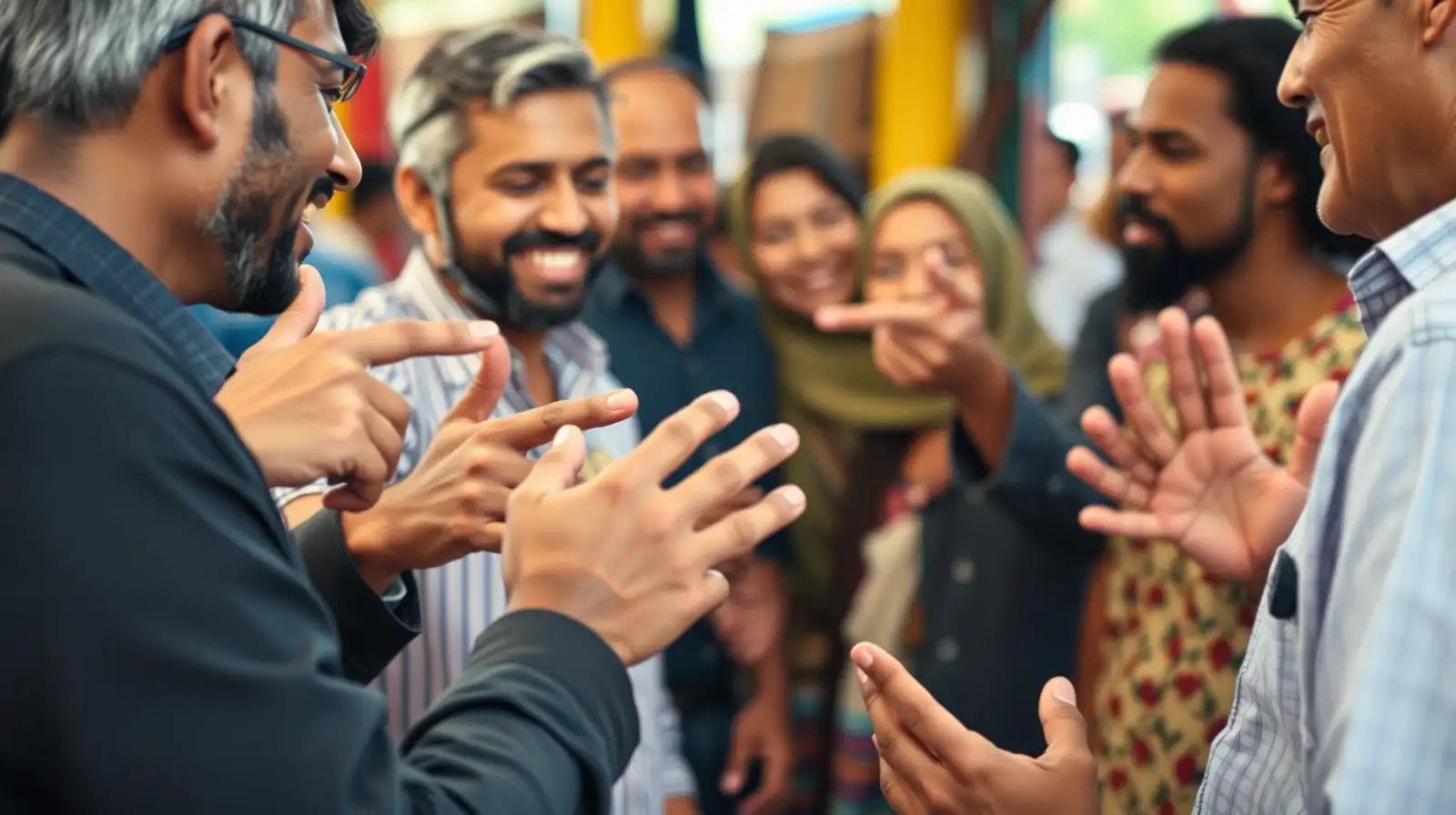
While certain expressions, such as waving to attract attention, may be widely understood, many other gestures acquire their meanings through social conventions.
Over time, communities develop shared interpretations of particular movements. These interpretations are passed between generations and become part of everyday communication.
As a result, the same gesture can express approval in one society and disrespect in another.
The meaning often depends on the country, the situation and the relationship between the people involved.
It is frequently used online and in everyday conversations to communicate a positive response.
However, the gesture has also been associated with offensive meanings in certain cultural contexts, including parts of the Middle East and other regions.
Its historical interpretation is complex, and the exact meaning varies according to the country and situation.
Travellers should therefore avoid assuming that a thumbs-up gesture is universally understood as friendly.
In some countries, however, it can carry different meanings.
In Brazil, the gesture has historically been associated with vulgarity in certain contexts. In other countries, it may be interpreted differently depending on the setting.
The sign has also acquired additional meanings through politics, popular culture and online communities.
This is a useful reminder that gestures can change over time, even within the same country.
When the palm faces outward, it is widely recognised as a symbol of peace or victory in many English-speaking countries.
However, in the United Kingdom, Australia and New Zealand, showing the back of the hand while making the V sign can be interpreted as an offensive gesture.
The distinction between palm direction is crucial.
A traveller who is unaware of this difference may unintentionally send a completely different message from the one they intended.
The gesture is used as a greeting and can also express respect or gratitude.
Its significance is influenced by Indian cultural and religious traditions, although its everyday use varies considerably between communities.
Namaste became particularly familiar internationally during the COVID-19 pandemic, when people looked for alternatives to physical greetings.
It demonstrates how a culturally rooted gesture can gain global visibility while retaining its original associations.
The movement, direction of the palm and context can influence how a wave is interpreted.
In some societies, beckoning someone with a single finger may be considered impolite, while a different hand movement is preferred.
In the Philippines, for example, pointing or beckoning with one finger can be viewed as disrespectful in certain situations.
These conventions reflect broader ideas about politeness and social hierarchy.
In Buddhist and Hindu traditions, particular hand positions, known as mudras, can carry symbolic meanings.
These gestures may represent qualities such as compassion, wisdom or meditation.
Similarly, gestures used in religious ceremonies can communicate ideas that go beyond ordinary conversation.
Their meanings are often deeply rooted in local history and should be understood within their cultural context.
As communication becomes increasingly global, understanding body language can help prevent misunderstandings.
However, it is equally important to avoid treating cultural rules as absolute. Gestures can differ between generations, regions and social groups.
The safest approach when travelling is to observe how local people communicate and remain respectful when unsure.
A simple smile or polite verbal greeting can often prevent confusion.
Why Hand Gestures Mean Different Things
Hand gestures are a form of non-verbal communication , but their meanings are often learned through culture rather than biology.While certain expressions, such as waving to attract attention, may be widely understood, many other gestures acquire their meanings through social conventions.
Over time, communities develop shared interpretations of particular movements. These interpretations are passed between generations and become part of everyday communication.
As a result, the same gesture can express approval in one society and disrespect in another.
The meaning often depends on the country, the situation and the relationship between the people involved.
The Thumbs-Up Gesture
The thumbs-up sign is commonly associated with approval, agreement or encouragement in countries such as the United Kingdom, the United States and India.It is frequently used online and in everyday conversations to communicate a positive response.
However, the gesture has also been associated with offensive meanings in certain cultural contexts, including parts of the Middle East and other regions.
Its historical interpretation is complex, and the exact meaning varies according to the country and situation.
Travellers should therefore avoid assuming that a thumbs-up gesture is universally understood as friendly.
The ‘OK’ Sign and Its Surprising Meanings
The familiar OK gesture, formed by joining the thumb and index finger into a circle, is often used to indicate that everything is fine.In some countries, however, it can carry different meanings.
In Brazil, the gesture has historically been associated with vulgarity in certain contexts. In other countries, it may be interpreted differently depending on the setting.
The sign has also acquired additional meanings through politics, popular culture and online communities.
This is a useful reminder that gestures can change over time, even within the same country.
The V Sign: Peace or Insult?
The V-shaped hand gesture is another example of cultural variation.When the palm faces outward, it is widely recognised as a symbol of peace or victory in many English-speaking countries.
However, in the United Kingdom, Australia and New Zealand, showing the back of the hand while making the V sign can be interpreted as an offensive gesture.
The distinction between palm direction is crucial.
A traveller who is unaware of this difference may unintentionally send a completely different message from the one they intended.
Namaste and the Meaning of Respect
In India and other parts of South Asia, bringing the palms together in front of the chest is commonly associated with Namaste or Namaskar.The gesture is used as a greeting and can also express respect or gratitude.
Its significance is influenced by Indian cultural and religious traditions, although its everyday use varies considerably between communities.
Namaste became particularly familiar internationally during the COVID-19 pandemic, when people looked for alternatives to physical greetings.
It demonstrates how a culturally rooted gesture can gain global visibility while retaining its original associations.
Waving Is Not Always a Friendly Gesture
Waving is often used to greet someone or say goodbye, but even this seemingly universal action has cultural variations.The movement, direction of the palm and context can influence how a wave is interpreted.
In some societies, beckoning someone with a single finger may be considered impolite, while a different hand movement is preferred.
In the Philippines, for example, pointing or beckoning with one finger can be viewed as disrespectful in certain situations.
These conventions reflect broader ideas about politeness and social hierarchy.
The Role of Religion and History
Many hand gestures have connections to religious traditions, ceremonies and historical events.In Buddhist and Hindu traditions, particular hand positions, known as mudras, can carry symbolic meanings.
These gestures may represent qualities such as compassion, wisdom or meditation.
You may also like
- New rules for birth and death registration to come into effect on October 1; court visits will now be required..
- No more hassle with the new FASTag! NHAI has launched OneTag; find out how it works..
- 'Bharat Taxi' services—including bikes, autos, and cabs—will reach UP villages; find out how it works..
- 10 Major Reasons for the Rejection of New Ration Card Applications and How to Avoid Them..
- Six documents, including a photograph of the house, are now mandatory for obtaining a new ration card; find out how to apply online..
Similarly, gestures used in religious ceremonies can communicate ideas that go beyond ordinary conversation.
Their meanings are often deeply rooted in local history and should be understood within their cultural context.
Why Understanding Gestures Matters Today
International travel, social media and global workplaces have brought people from different cultural backgrounds into closer contact.As communication becomes increasingly global, understanding body language can help prevent misunderstandings.
However, it is equally important to avoid treating cultural rules as absolute. Gestures can differ between generations, regions and social groups.
The safest approach when travelling is to observe how local people communicate and remain respectful when unsure.
A simple smile or polite verbal greeting can often prevent confusion.






Loving Newspoint? Download the app now
