
Think Your Phone Is Harmless? Here's How Long Screen Time Could Be Affecting Your Everyday Life

Smartphones have transformed the way people communicate, work, shop and relax. From checking emails to streaming entertainment, these devices have become constant companions. Yet according to health experts, the convenience of staying connected also comes with drawbacks when screen time stretches for hours every day. Extended mobile phone usage has increasingly become a topic of discussion as researchers continue to examine its impact on sleep, mental health and physical wellbeing. While phones remain valuable tools, experts suggest that balance is becoming more important than ever in today's digital lifestyle.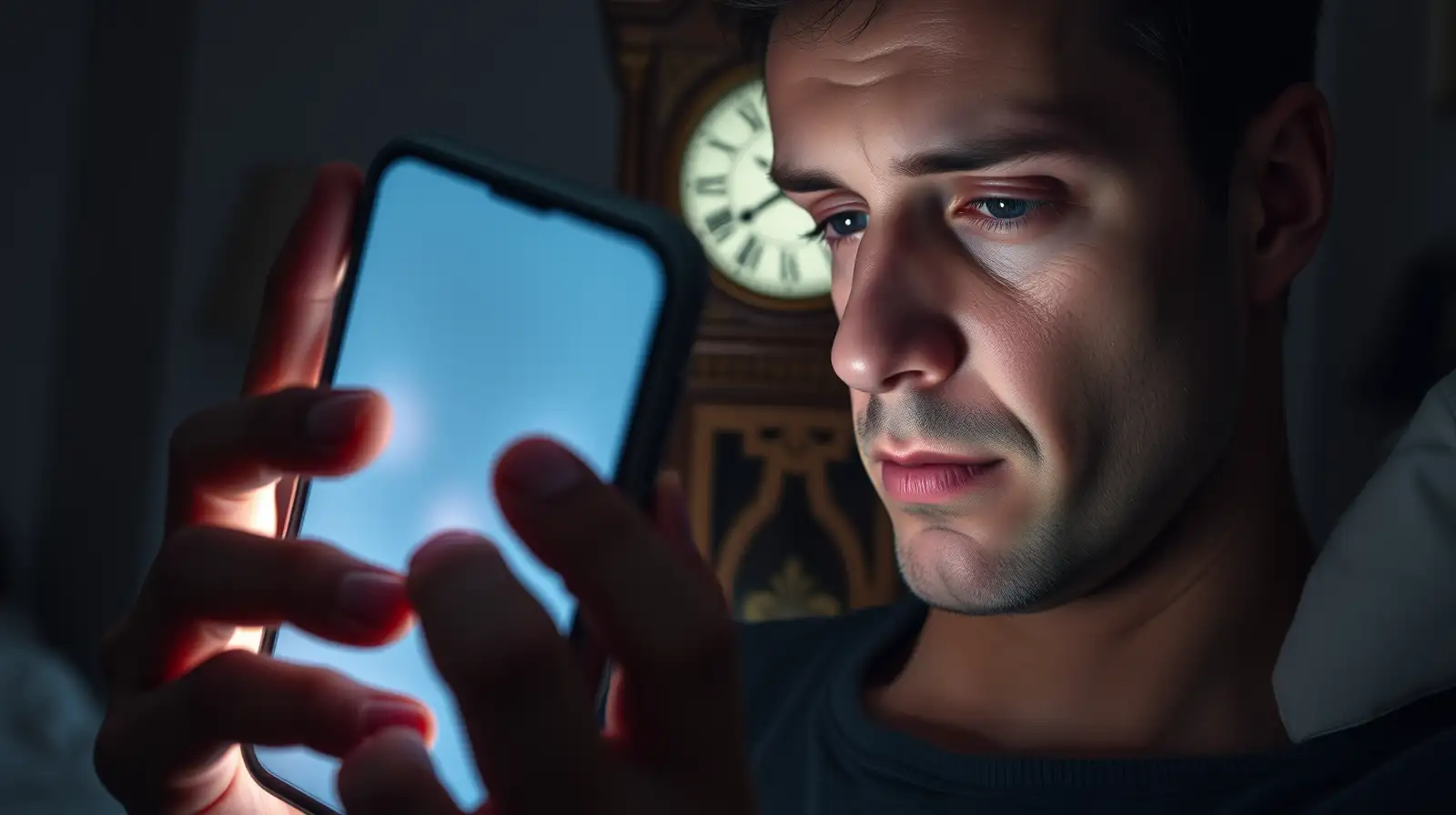
Long periods of looking down at a screen can also contribute to neck, shoulder and back discomfort. Health professionals often refer to this as poor posture caused by repeated device use. Eye strain, dry eyes and headaches are also widely reported among people who spend several hours each day on their phones.
Industry watchers also note that excessive social media use may leave some people comparing themselves with carefully curated online lives. While social platforms can strengthen relationships, experts believe overuse may sometimes contribute to stress, anxiety or reduced self-esteem, particularly among younger users.
Keeping phones away during meals and avoiding them before bedtime may also improve both sleep quality and family interactions. Many smartphones now include digital wellbeing features that allow users to monitor usage and set app limits.
Creating healthier habits is often about making small, consistent changes rather than dramatic ones. As smartphones continue to play an essential role in modern life, using them more mindfully may help people enjoy their benefits while reducing the potential health risks associated with excessive screen time.
When Screen Time Starts Affecting Your Health
One of the most common concerns linked to extended mobile phone usage is its effect on sleep. Experts say that prolonged exposure to blue light, particularly during the evening, can interfere with the body's natural sleep cycle. This may make it harder to fall asleep and reduce overall sleep quality.Long periods of looking down at a screen can also contribute to neck, shoulder and back discomfort. Health professionals often refer to this as poor posture caused by repeated device use. Eye strain, dry eyes and headaches are also widely reported among people who spend several hours each day on their phones.
You may also like
- Health Tips: Eating salt to enhance the taste can be dangerous, it can cause these diseases
- EPFO credits PF interest to 35 crore accounts; have you received yours? Here's how to check..
- Hair Care Tips: Hibiscus oil is no less than a boon for hair, using it will give you these benefits
- Health Tips: What are the benefits of eating homemade white butter? Know about them too
- The oldest daughter syndrome explained: What psychologists want every family to know
The Impact On Focus And Mental Wellbeing
According to psychologists, constant notifications and endless scrolling can make it difficult to stay focused for long periods. Frequent interruptions encourage people to switch between tasks, reducing concentration and productivity.Industry watchers also note that excessive social media use may leave some people comparing themselves with carefully curated online lives. While social platforms can strengthen relationships, experts believe overuse may sometimes contribute to stress, anxiety or reduced self-esteem, particularly among younger users.
Building Healthier Digital Habits
Reducing screen time does not mean abandoning technology altogether. Experts recommend setting daily limits, disabling unnecessary notifications and taking regular breaks from screens throughout the day. The popular 20-20-20 rule—looking at something around 20 feet away for 20 seconds every 20 minutes—can help reduce eye strain.Keeping phones away during meals and avoiding them before bedtime may also improve both sleep quality and family interactions. Many smartphones now include digital wellbeing features that allow users to monitor usage and set app limits.
Creating healthier habits is often about making small, consistent changes rather than dramatic ones. As smartphones continue to play an essential role in modern life, using them more mindfully may help people enjoy their benefits while reducing the potential health risks associated with excessive screen time.






Loving Newspoint? Download the app now
