
This Indian State Is Called the ‘Salt Capital' - Do You Know Why?

Salt may be one of the simplest ingredients in an Indian kitchen, but the Salt Capital of India has a much bigger story behind those tiny white crystals. From vast salt pans and the unique landscape of the Rann of Kutch to generations of workers involved in harvesting salt, Gujarat has played a major role in India's salt industry for decades.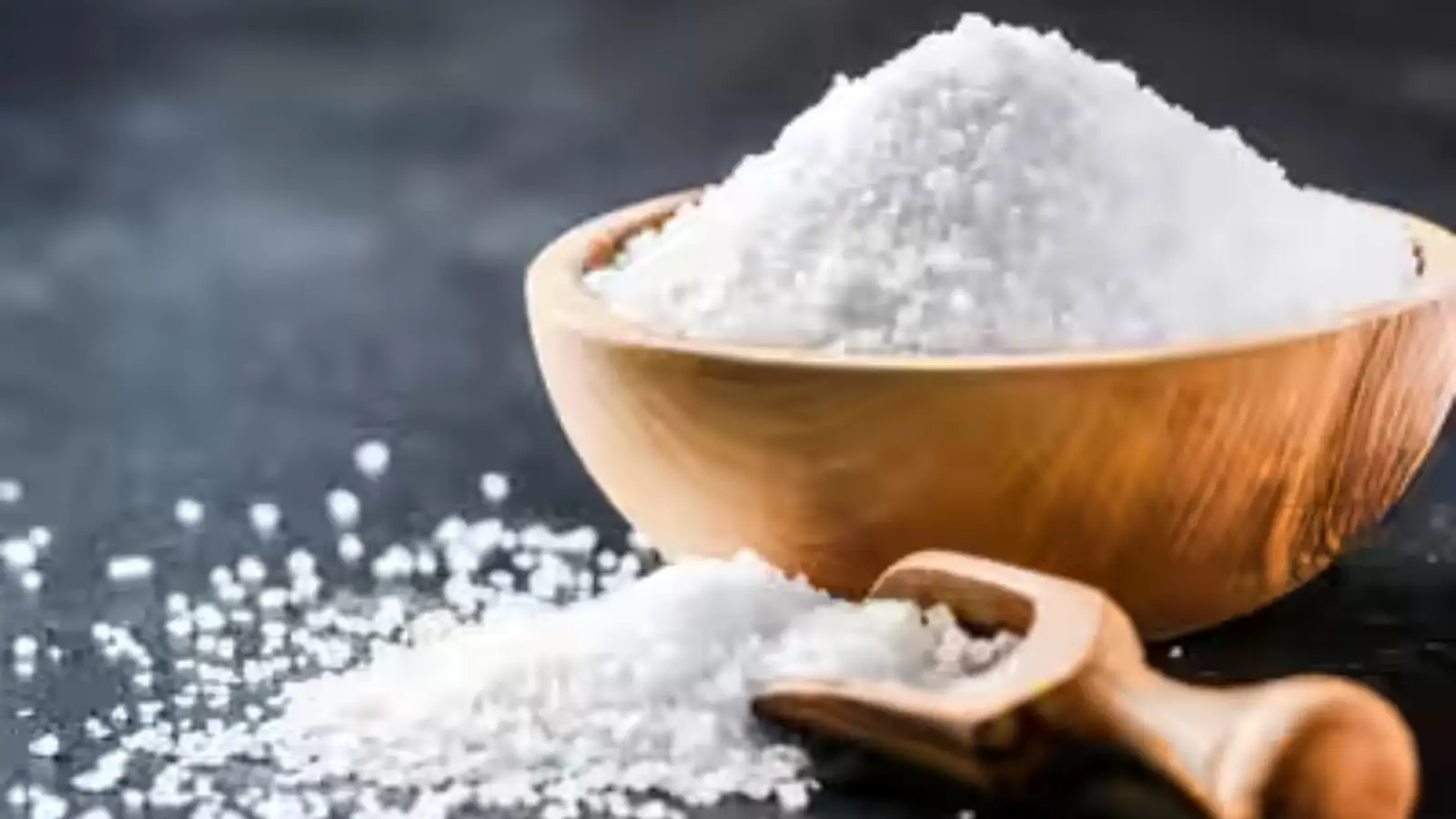
Salt production is carried out across different parts of Gujarat, involving both large-scale operations and traditional salt-making communities. The industry supplies salt for everyday consumption as well as for various industrial applications.
Seawater or naturally saline water is channelled into shallow salt pans. Under the heat of the sun, the water slowly evaporates, leaving behind salt crystals. Once enough crystals have formed, workers collect and process them before the salt moves further along the supply chain.
Although the basic process sounds simple, producing good-quality salt requires careful attention. Workers have to monitor water levels, evaporation and weather conditions throughout the production cycle.
But the Rann is more than a spectacular tourist destination. Several areas around the region have long been connected with salt production, with workers depending on the seasonal activity for their livelihoods.
This creates a fascinating contrast: the same landscape that appears otherworldly to tourists can also be a workplace for communities involved in one of India's oldest industries.
Salt workers are involved in activities ranging from preparing and maintaining salt pans to managing saline water and harvesting the crystals. The work can involve long hours outdoors under harsh weather conditions.
For some families and communities, salt-making is not a new occupation but a livelihood passed down through generations.
The neatly packaged salt found in supermarkets therefore represents much more than a kitchen ingredient. It is the final product of considerable human effort and a seasonal production process.
Salt is an important raw material for several industries and is used in different manufacturing and chemical processes. This industrial demand adds significantly to the importance of Gujarat's salt sector.
As a result, Gujarat's salt industry serves two major purposes: supplying salt for consumption and supporting industries that depend on salt-based raw materials.
Its extensive coastal areas and saline regions provide favourable conditions for salt production. Over time, these natural advantages have supported the growth of both commercial production and traditional salt-making communities.
The state's salt industry has consequently become an important part of its economic and cultural landscape.
It connects India's geography with the livelihoods of salt workers and the industrial demand for a resource that most people barely notice in their daily lives.
From the immense salt landscapes of Kutch to the salt pans where workers harvest crystals under the sun, Gujarat demonstrates how an ordinary household ingredient can have an extraordinary journey.
So, which state is the Salt Capital of India? The answer is Gujarat.
The next time you sprinkle salt over your food, remember that those familiar white crystals may have travelled through a fascinating journey involving natural evaporation, vast salt pans, generations of skilled workers and an industry that reaches far beyond the kitchen.
Which State Is the Salt Capital of India?
Gujarat is known as the Salt Capital of India because of its major contribution to the country's salt production. The state's geography, long coastline and extensive salt-producing areas have made it one of India's most important centres for salt manufacturing.Salt production is carried out across different parts of Gujarat, involving both large-scale operations and traditional salt-making communities. The industry supplies salt for everyday consumption as well as for various industrial applications.
How Is Salt Made in Gujarat?
Much of traditional salt production relies on a natural process: solar evaporation.Seawater or naturally saline water is channelled into shallow salt pans. Under the heat of the sun, the water slowly evaporates, leaving behind salt crystals. Once enough crystals have formed, workers collect and process them before the salt moves further along the supply chain.
Although the basic process sounds simple, producing good-quality salt requires careful attention. Workers have to monitor water levels, evaporation and weather conditions throughout the production cycle.
Rann of Kutch: Gujarat's Famous Salt Landscape
The Rann of Kutch is perhaps the most visually striking part of Gujarat's salt-producing landscape. Its vast white expanse has become one of India's most recognisable natural sights and attracts visitors, particularly during the dry season.But the Rann is more than a spectacular tourist destination. Several areas around the region have long been connected with salt production, with workers depending on the seasonal activity for their livelihoods.
This creates a fascinating contrast: the same landscape that appears otherworldly to tourists can also be a workplace for communities involved in one of India's oldest industries.
The Salt Workers Behind Gujarat's Industry
Behind every packet of salt is a chain of workers whose contribution is easy to overlook.Salt workers are involved in activities ranging from preparing and maintaining salt pans to managing saline water and harvesting the crystals. The work can involve long hours outdoors under harsh weather conditions.
For some families and communities, salt-making is not a new occupation but a livelihood passed down through generations.
The neatly packaged salt found in supermarkets therefore represents much more than a kitchen ingredient. It is the final product of considerable human effort and a seasonal production process.
Is Salt Used Only for Cooking?
Not at all. While salt is best known as a food ingredient, its importance extends far beyond the kitchen.You may also like
- Turn Savings of ₹5,000 into ₹1 Lakh: How Long Will It Take?
- Period Care Tips: 2 Common Habits Women May Want to Avoid During Menstruation
- No More Age Limits at DU; Classes to be Shared with Regular Students
- Bihar Secures ₹25,000 Crore Loan: Where Will the Funds Be Spent?
- Julia Roberts became fascinated with Hinduism after seeing a photograph of an Indian saint: "I was so drawn to the picture..."
Salt is an important raw material for several industries and is used in different manufacturing and chemical processes. This industrial demand adds significantly to the importance of Gujarat's salt sector.
As a result, Gujarat's salt industry serves two major purposes: supplying salt for consumption and supporting industries that depend on salt-based raw materials.
Why Is Gujarat So Important to India's Salt Industry?
Gujarat's importance comes from a combination of geography, natural resources, established production networks and traditional expertise.Its extensive coastal areas and saline regions provide favourable conditions for salt production. Over time, these natural advantages have supported the growth of both commercial production and traditional salt-making communities.
The state's salt industry has consequently become an important part of its economic and cultural landscape.
The Story Behind the 'Salt Capital of India' Title
The title Salt Capital of India reflects Gujarat's long-standing prominence in the country's salt-producing sector. But the story is not simply about production figures.It connects India's geography with the livelihoods of salt workers and the industrial demand for a resource that most people barely notice in their daily lives.
From the immense salt landscapes of Kutch to the salt pans where workers harvest crystals under the sun, Gujarat demonstrates how an ordinary household ingredient can have an extraordinary journey.
So, which state is the Salt Capital of India? The answer is Gujarat.
The next time you sprinkle salt over your food, remember that those familiar white crystals may have travelled through a fascinating journey involving natural evaporation, vast salt pans, generations of skilled workers and an industry that reaches far beyond the kitchen.






Loving Newspoint? Download the app now
