
Where the Milky Way Shines: Inside Nashik’s Unique Astro-Tourism Revolution

For hundreds of thousands of years, humans looked up at the night sky with a sense of wonder, navigating by the stars and shaping folklore, agriculture, and philosophy around cosmic cycles. Today, however, rapid urbanization, industrial expansion, and the indiscriminate proliferation of bright, unshielded outdoor lighting have blanketed the planet in artificial skyglow. Scientific estimates indicate that over 80 percent of the world’s population and more than 99 percent of people living across Europe and North America now reside under light-polluted skies. For millions of urban dwellers across India, seeing the brilliant, hazy arch of the Milky Way galaxy with the naked eye has transitioned from a routine nightly experience into an elusive bucket-list luxury.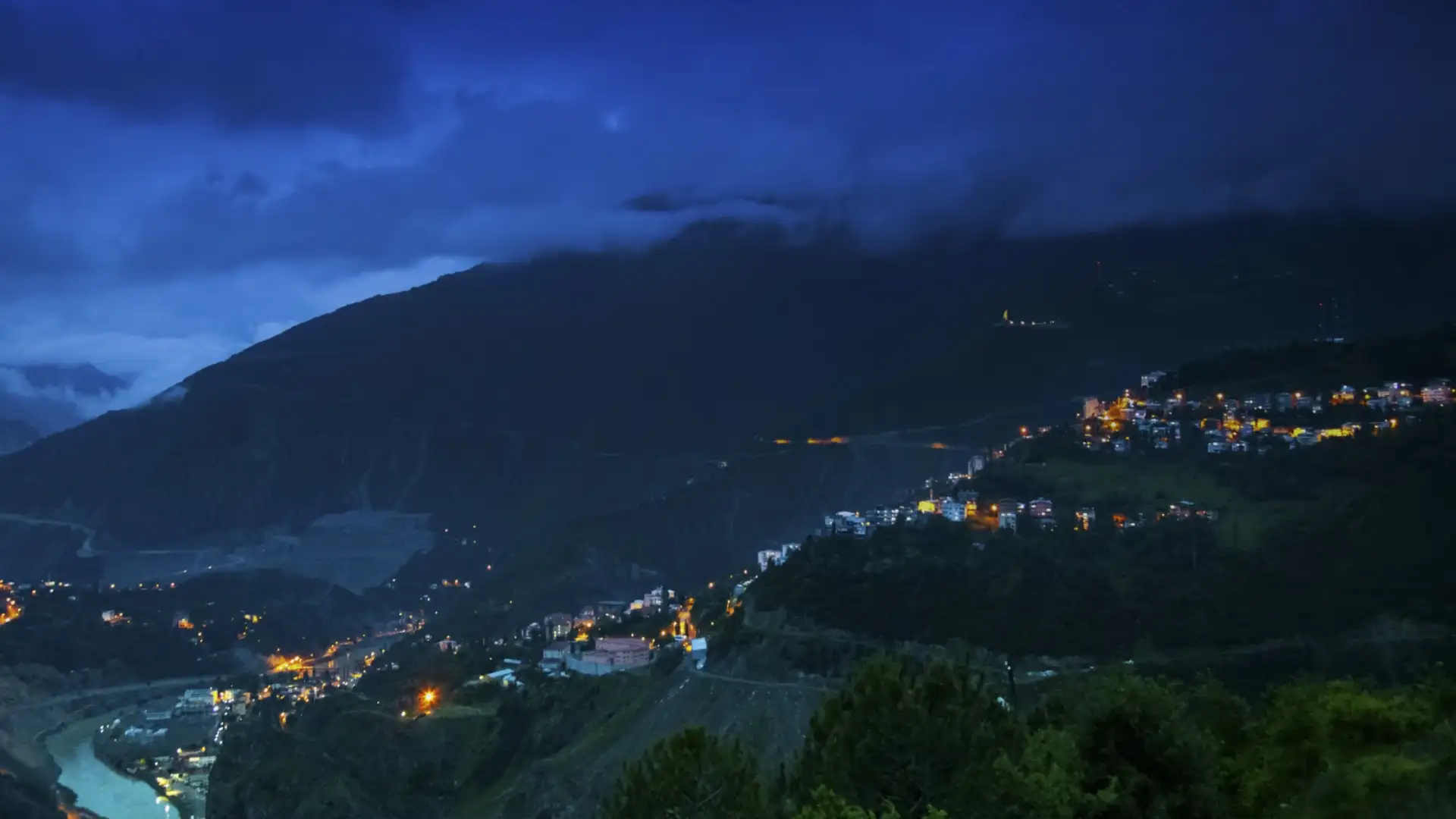
To combat this loss of nocturnal ecosystems and astronomical heritage, global organizations have championed the concept of Dark Sky designations. While high-altitude scientific observatories like Hanle in Ladakh have long served as institutional dark sky sanctuaries strictly reserved for researchers, creating a living, inhabited Dark Sky Community requires a fundamentally different approach. It demands active, continuous participation from everyday residents who voluntarily modify their daily habits, infrastructure, and lighting choices to protect the darkness above their roofs.
The transformation did not happen overnight. It required a comprehensive overhaul of village lighting infrastructure paired with extensive community education. Local leaders, supported by astronomy advocates and environmental educators, conducted workshops for residents to explain how excessive artificial light disrupts human circadian rhythms, wastes electricity, and harms local wildlife. Rather than eliminating outdoor lighting entirely, which could raise safety concerns, the community implemented intelligent, dark-sky-friendly lighting guidelines. High-glare, cool-white streetlights were systematically replaced with fully shielded, downward-facing fixtures fitted with warm-toned LEDs. These specialized lights direct illumination precisely onto pathways where pedestrians need it, completely preventing unneeded light from scattering upward into the night sky.
Rather than inviting commercial hotel chains or luxury resorts that could alter the landscape and introduce heavy light pollution, the village prioritized a sustainable, community-owned hospitality model. Local families opened traditional homestays, providing visitors with warm village hospitality, authentic home-cooked Maharashtrian meals prepared on wood-fired stoves, and immersive cultural exchanges. To further build local capacity, tribal youth underwent specialized training in observational astronomy, learning how to operate high-powered telescopes, identify deep-sky objects, and explain complex astronomical phenomena to visitors. Tonight, these young guides lead eager tour groups through nocturnal observation sessions, pointing out cosmic nebulae, planetary rings, and constellations with green laser pointers while sharing indigenous folklore associated with the stars.
Furthermore, preserving the nocturnal environment yields critical ecological benefits that extend far beyond tourism dollars. Artificial light pollution severely disrupts the navigation, breeding patterns, and feeding habits of nocturnal insects, bats, migratory birds, and local fauna across the Western Ghats. By enforcing strict dark-sky protocols, the village acts as a vital biodiversity refuge, safeguarding fragile local food webs and supporting native flora.
To combat this loss of nocturnal ecosystems and astronomical heritage, global organizations have championed the concept of Dark Sky designations. While high-altitude scientific observatories like Hanle in Ladakh have long served as institutional dark sky sanctuaries strictly reserved for researchers, creating a living, inhabited Dark Sky Community requires a fundamentally different approach. It demands active, continuous participation from everyday residents who voluntarily modify their daily habits, infrastructure, and lighting choices to protect the darkness above their roofs.
Inside Nashik's Groundbreaking Astro-Tourism Transformation
Nestled away from the urban glare and highways of Western Maharashtra, a small tribal hamlet in the Nashik district has stepped forward as a pioneering model for the nation. Recognizing that their relative isolation and pristine night skies held immense ecological and economic value, the village's indigenous population organized a collective movement to officially establish India’s first community-managed Dark Sky destination.You may also like
- 'It had been our dream since childhood': Six sets of twins at one Kerala wedding, as twin brothers marry twin sisters, with twin priests and twin altar boys
- Why Shiva Appeared After a Demon Attacked His Lingam
- 5 easy DIY hacks to create a luxury plant corner without spending a fortune
- Why do some houses always smell good, even without room fresheners?
- Dog Parents Alert: 7 Common Kitchen Foods That Can Be Dangerous for Your Pet
The transformation did not happen overnight. It required a comprehensive overhaul of village lighting infrastructure paired with extensive community education. Local leaders, supported by astronomy advocates and environmental educators, conducted workshops for residents to explain how excessive artificial light disrupts human circadian rhythms, wastes electricity, and harms local wildlife. Rather than eliminating outdoor lighting entirely, which could raise safety concerns, the community implemented intelligent, dark-sky-friendly lighting guidelines. High-glare, cool-white streetlights were systematically replaced with fully shielded, downward-facing fixtures fitted with warm-toned LEDs. These specialized lights direct illumination precisely onto pathways where pedestrians need it, completely preventing unneeded light from scattering upward into the night sky.
Empowerment, Homestays, and Ecological Conservation
The environmental discipline demonstrated by the village has unlocked transformative economic opportunities for its tribal households. By promoting astrotourism, the village has successfully positioned itself as an accessible sanctuary for urban travelers, amateur photographers, and astronomy enthusiasts from nearby metro areas like Mumbai and Pune.Rather than inviting commercial hotel chains or luxury resorts that could alter the landscape and introduce heavy light pollution, the village prioritized a sustainable, community-owned hospitality model. Local families opened traditional homestays, providing visitors with warm village hospitality, authentic home-cooked Maharashtrian meals prepared on wood-fired stoves, and immersive cultural exchanges. To further build local capacity, tribal youth underwent specialized training in observational astronomy, learning how to operate high-powered telescopes, identify deep-sky objects, and explain complex astronomical phenomena to visitors. Tonight, these young guides lead eager tour groups through nocturnal observation sessions, pointing out cosmic nebulae, planetary rings, and constellations with green laser pointers while sharing indigenous folklore associated with the stars.
Furthermore, preserving the nocturnal environment yields critical ecological benefits that extend far beyond tourism dollars. Artificial light pollution severely disrupts the navigation, breeding patterns, and feeding habits of nocturnal insects, bats, migratory birds, and local fauna across the Western Ghats. By enforcing strict dark-sky protocols, the village acts as a vital biodiversity refuge, safeguarding fragile local food webs and supporting native flora.
A Sustainable Blueprint for Rural India
Nashik's tribal Dark Sky Community stands as an inspiring testament to what can be accomplished when rural communities embrace environmental stewardship as a core economic asset. By transforming their low light pollution into a celebrated tourism feature, these tribal residents have proved that economic development does not have to come at the expense of the natural world. Their success offers a scalable, sustainable blueprint for hundreds of remote villages across India, showing that preserving the quiet, starry night sky can illuminate a prosperous path forward for generations to come.





Loving Newspoint? Download the app now
