
Books or Videos? What Researchers Found Inside a Toddler’s Brain May Surprise Parents

A toddler sits quietly, eyes fixed on a screen as colourful characters move across it. Later, a parent opens a picture book, points to an animal and asks, “Can you find the little cat?” The child looks at the page, responds with a sound and turns towards the parent.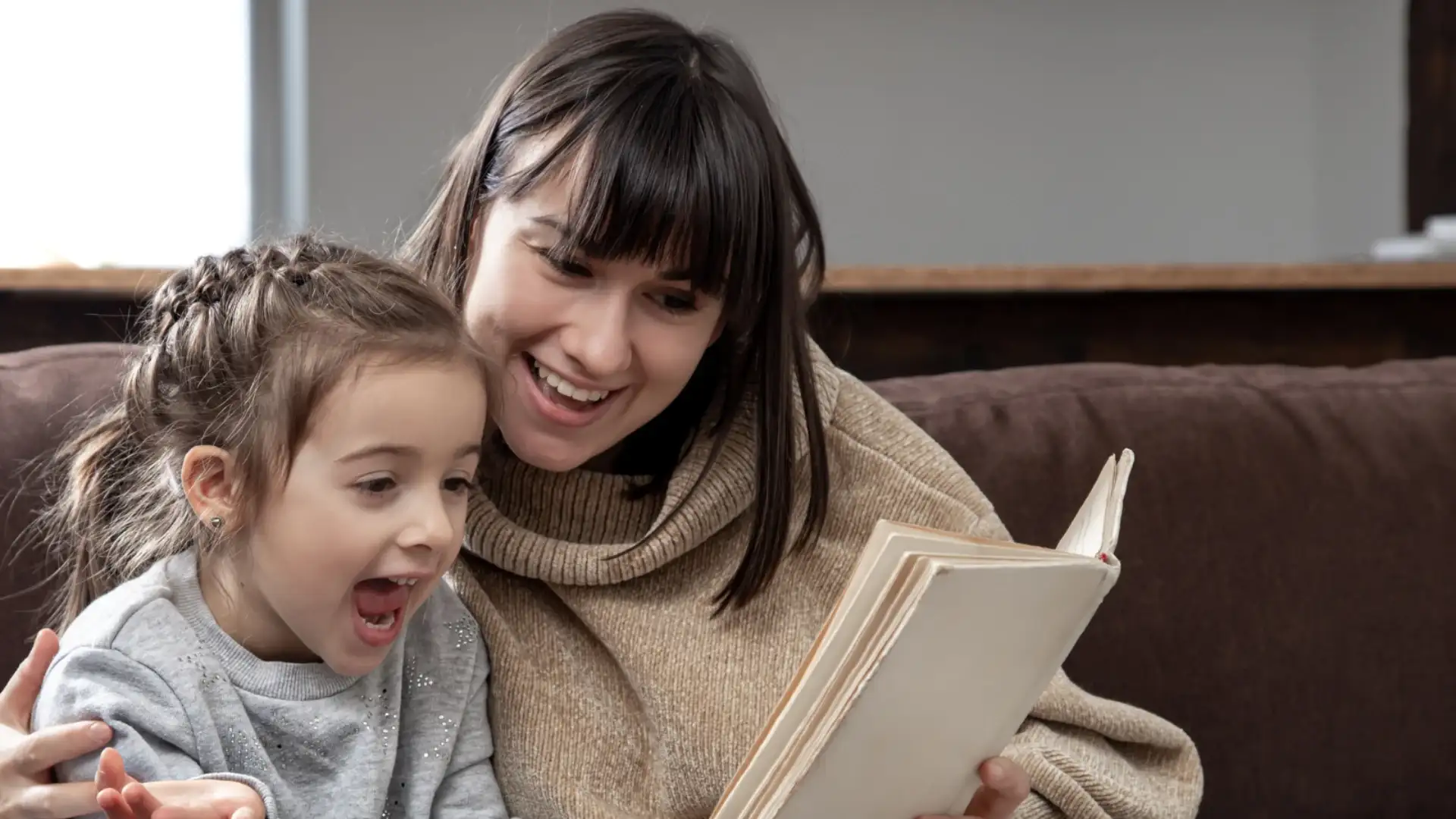
Both activities may hold a young child's attention, but the experiences are not necessarily the same. During shared reading, a toddler can respond to questions, follow a parent's gestures, share excitement and take part in a back-and-forth exchange. Watching a video, by contrast, does not automatically involve the same level of interaction.
Research from Northwestern University has offered a closer look at this difference. By recording brain activity in toddlers during everyday activities, researchers observed distinct patterns associated with social engagement with a caregiver and attention directed towards a movie. The findings provide insight into how young children's brains respond to different kinds of experiences, although they do not establish that watching videos is inherently harmful or that reading always produces better long-term outcomes.
The children participated in interactive activities with their parents, including reading picture books and solving puzzles. Researchers also recorded their brain activity while they watched a movie alongside a parent.
Rather than measuring only whether children appeared attentive, the team examined brain activity during moments of social engagement with a caregiver and compared it with activity when attention was directed towards the movie.
Two patterns stood out. Alpha activity decreased during social engagement, while theta activity increased. Both patterns are associated with aspects of attention and information processing.
The important distinction is that these changes were linked to moments of social engagement. They do not directly measure how much a toddler learned, nor do they prove that every reading session produces better developmental outcomes than every video.
A parent may point to a picture, name an object, change their voice to match a character or pause to let the child respond. The toddler may imitate a sound, point towards an unfamiliar object or look at the adult to share a reaction.
These exchanges create opportunities for children to connect words with pictures, gestures, expressions and real-time responses. They also allow parents to adjust their explanations according to what interests or confuses the child.
A video can introduce new words, characters and concepts, but it does not necessarily respond to a child's questions or gestures. Even when a child watches attentively, the experience may involve less reciprocal interaction.
This is why the distinction is not simply about books being better than screens in every situation. The quality of interaction between a child and caregiver is an important part of what makes shared reading valuable.
Alpha activity: Changes in alpha activity are associated with how the brain regulates attention and processes information. In this study, alpha activity decreased during moments of social engagement with a caregiver.
Theta activity: Theta activity is associated with several cognitive processes, including attention, memory and information processing. Researchers observed an increase in theta activity during social engagement.
Together, these patterns suggest that a toddler's brain responds differently when the child is socially engaged with a caregiver than when attention is directed towards a movie.
However, brain waves should not be interpreted as a simple score of intelligence, learning ability or developmental progress. The findings describe patterns of brain activity in particular situations, rather than proving that one activity will make every child smarter or more attentive.
The researchers observed a similar general pattern of brain activity during social engagement: alpha activity decreased and theta activity increased.
Children with autism and children with language delays also showed moments of engagement with their caregivers, and their brain activity during these moments followed the same general pattern. However, social engagement was observed less frequently in these children than in the typically developing children in the study.
These findings offer an important perspective on how brain activity can correspond with social engagement across children with different developmental profiles. They do not suggest that all autistic children engage in the same way, or that a single pattern of brain activity can be used to diagnose a developmental condition.
For parents, the practical message is to recognise and respond to a child's individual attempts to communicate, rather than expecting every toddler to interact in the same way.
Solving a simple puzzle, stacking blocks, playing with toy animals or pretending to cook can encourage children to look, listen, respond and take turns. A parent can describe what is happening, follow the child's interests and introduce new words without turning the activity into a formal lesson.
For example, while playing with toy animals, a parent might ask, “Where is the little dog?” The child may point towards it, make a barking sound or pick up another animal instead. Each response offers an opportunity for the adult to acknowledge the child's interest and continue the interaction.
These small exchanges help make play a shared experience. The value lies not in getting every answer right, but in creating opportunities for communication, curiosity and responsive interaction.
Videos can introduce children to stories, music and new ideas. The important consideration is that passive viewing and interactive engagement are different experiences. A child watching a video alone may not receive the same immediate feedback, shared attention or responsive conversation that can happen when a parent reads or plays with them.
Parents can make screen use more interactive by watching age-appropriate content with their child, talking about what is happening, asking simple questions and connecting the story to objects or experiences in everyday life.
For children in the toddler years, it is also worth protecting time for conversation, physical play, books, outdoor exploration and face-to-face interaction. These activities offer opportunities that a screen cannot fully replicate.
The aim is not to make parents feel guilty about occasionally using a video. It is to ensure that screens do not consistently replace opportunities for children to interact with the people around them.
The Northwestern University research adds evidence that toddlers' brain activity differs during moments of social engagement with a caregiver and during attention directed towards a movie. It also highlights the importance of examining how children participate in everyday experiences, rather than judging engagement only by whether they appear to be watching attentively.
For parents, the message is straightforward: reading together, playing, talking and responding to a toddler's curiosity are meaningful ways to support early development. These moments do not need to be perfect or educational at every turn.
Sometimes, asking a child to point out a picture, listening to their excited babble or following their lead during play is enough to turn an ordinary moment into an opportunity for connection.
Both activities may hold a young child's attention, but the experiences are not necessarily the same. During shared reading, a toddler can respond to questions, follow a parent's gestures, share excitement and take part in a back-and-forth exchange. Watching a video, by contrast, does not automatically involve the same level of interaction.
Research from Northwestern University has offered a closer look at this difference. By recording brain activity in toddlers during everyday activities, researchers observed distinct patterns associated with social engagement with a caregiver and attention directed towards a movie. The findings provide insight into how young children's brains respond to different kinds of experiences, although they do not establish that watching videos is inherently harmful or that reading always produces better long-term outcomes.
What Researchers Discovered When They Studied Toddlers’ Brains
The Northwestern University study involved 49 toddlers aged between 24 and 44 months, with different language abilities. Researchers used electroencephalography (EEG), a technique that records electrical activity from the scalp, to examine brain activity during familiar activities.The children participated in interactive activities with their parents, including reading picture books and solving puzzles. Researchers also recorded their brain activity while they watched a movie alongside a parent.
Rather than measuring only whether children appeared attentive, the team examined brain activity during moments of social engagement with a caregiver and compared it with activity when attention was directed towards the movie.
Two patterns stood out. Alpha activity decreased during social engagement, while theta activity increased. Both patterns are associated with aspects of attention and information processing.
The important distinction is that these changes were linked to moments of social engagement. They do not directly measure how much a toddler learned, nor do they prove that every reading session produces better developmental outcomes than every video.
Why Reading Together Engages More Than Just Language
When a parent reads a picture book with a toddler, the child is not simply listening to words. The experience can involve several forms of interaction happening together.A parent may point to a picture, name an object, change their voice to match a character or pause to let the child respond. The toddler may imitate a sound, point towards an unfamiliar object or look at the adult to share a reaction.
These exchanges create opportunities for children to connect words with pictures, gestures, expressions and real-time responses. They also allow parents to adjust their explanations according to what interests or confuses the child.
A video can introduce new words, characters and concepts, but it does not necessarily respond to a child's questions or gestures. Even when a child watches attentively, the experience may involve less reciprocal interaction.
This is why the distinction is not simply about books being better than screens in every situation. The quality of interaction between a child and caregiver is an important part of what makes shared reading valuable.
What Alpha and Theta Brain Waves Tell Us
The study's findings focused on two types of brain activity that researchers commonly examine when investigating attention and cognitive processes.Alpha activity: Changes in alpha activity are associated with how the brain regulates attention and processes information. In this study, alpha activity decreased during moments of social engagement with a caregiver.
Theta activity: Theta activity is associated with several cognitive processes, including attention, memory and information processing. Researchers observed an increase in theta activity during social engagement.
Together, these patterns suggest that a toddler's brain responds differently when the child is socially engaged with a caregiver than when attention is directed towards a movie.
However, brain waves should not be interpreted as a simple score of intelligence, learning ability or developmental progress. The findings describe patterns of brain activity in particular situations, rather than proving that one activity will make every child smarter or more attentive.
The Findings Also Offer Insight Into Children With Autism
The researchers examined an additional group of 24 children aged between 25 and 47 months. This group included children diagnosed with autism and typically developing children matched by age and sex.The researchers observed a similar general pattern of brain activity during social engagement: alpha activity decreased and theta activity increased.
Children with autism and children with language delays also showed moments of engagement with their caregivers, and their brain activity during these moments followed the same general pattern. However, social engagement was observed less frequently in these children than in the typically developing children in the study.
These findings offer an important perspective on how brain activity can correspond with social engagement across children with different developmental profiles. They do not suggest that all autistic children engage in the same way, or that a single pattern of brain activity can be used to diagnose a developmental condition.
For parents, the practical message is to recognise and respond to a child's individual attempts to communicate, rather than expecting every toddler to interact in the same way.
Why Interactive Play Matters Alongside Reading
Books are only one way for parents and toddlers to share attention. Everyday play can offer similar opportunities for communication and connection.Solving a simple puzzle, stacking blocks, playing with toy animals or pretending to cook can encourage children to look, listen, respond and take turns. A parent can describe what is happening, follow the child's interests and introduce new words without turning the activity into a formal lesson.
For example, while playing with toy animals, a parent might ask, “Where is the little dog?” The child may point towards it, make a barking sound or pick up another animal instead. Each response offers an opportunity for the adult to acknowledge the child's interest and continue the interaction.
These small exchanges help make play a shared experience. The value lies not in getting every answer right, but in creating opportunities for communication, curiosity and responsive interaction.
Does This Mean Parents Should Stop Showing Videos to Toddlers?
No. The study does not establish that all screen time is harmful or that parents must eliminate videos from a toddler's routine.Videos can introduce children to stories, music and new ideas. The important consideration is that passive viewing and interactive engagement are different experiences. A child watching a video alone may not receive the same immediate feedback, shared attention or responsive conversation that can happen when a parent reads or plays with them.
Parents can make screen use more interactive by watching age-appropriate content with their child, talking about what is happening, asking simple questions and connecting the story to objects or experiences in everyday life.
For children in the toddler years, it is also worth protecting time for conversation, physical play, books, outdoor exploration and face-to-face interaction. These activities offer opportunities that a screen cannot fully replicate.
The aim is not to make parents feel guilty about occasionally using a video. It is to ensure that screens do not consistently replace opportunities for children to interact with the people around them.
How Parents Can Make Story Time More Meaningful
Parents do not need expensive toys, elaborate activities or complicated reading techniques to encourage interaction. A few simple habits can make everyday moments more engaging.- Let your toddler lead: Allow your child to choose a picture, turn a page or spend extra time looking at something interesting.
- Ask simple, open-ended questions: Try asking, “What do you think is happening?” or “Where do you think the bird is going?” Adapt questions to your child's age and language abilities.
- Talk about pictures: Name objects, describe colours and actions, and connect illustrations to familiar people, places and experiences.
- Pause and respond: Give your toddler time to point, babble, gesture or answer. Responding to these attempts helps make reading a two-way activity.
- Make room for unstructured play: Puzzles, building blocks, pretend play and everyday household activities can all create opportunities for shared attention.
- Keep it enjoyable: If your toddler becomes restless, take a break or choose another activity. The goal is meaningful interaction, not completing an entire book.
The Takeaway: It Is About Connection, Not Just the Activity
The difference between reading a book and watching a video is not simply a matter of paper versus pixels. What matters is how the child experiences the activity and whether it creates opportunities for interaction.The Northwestern University research adds evidence that toddlers' brain activity differs during moments of social engagement with a caregiver and during attention directed towards a movie. It also highlights the importance of examining how children participate in everyday experiences, rather than judging engagement only by whether they appear to be watching attentively.
For parents, the message is straightforward: reading together, playing, talking and responding to a toddler's curiosity are meaningful ways to support early development. These moments do not need to be perfect or educational at every turn.
Sometimes, asking a child to point out a picture, listening to their excited babble or following their lead during play is enough to turn an ordinary moment into an opportunity for connection.
Next Story