
Too Much Salt? Your Skin Might Suffer: How To Reduce Your Salt Consumption

A new study has unveiled a surprising link between excessive salt consumption and skin health issues. While salt is a crucial component of our diet, helping to maintain fluid balance and support nerve and muscle function, too much of it can lead to adverse health effects. Traditionally, high salt intake has been associated with hypertension and cardiovascular diseases, but recent research suggests it might also negatively impact our skin.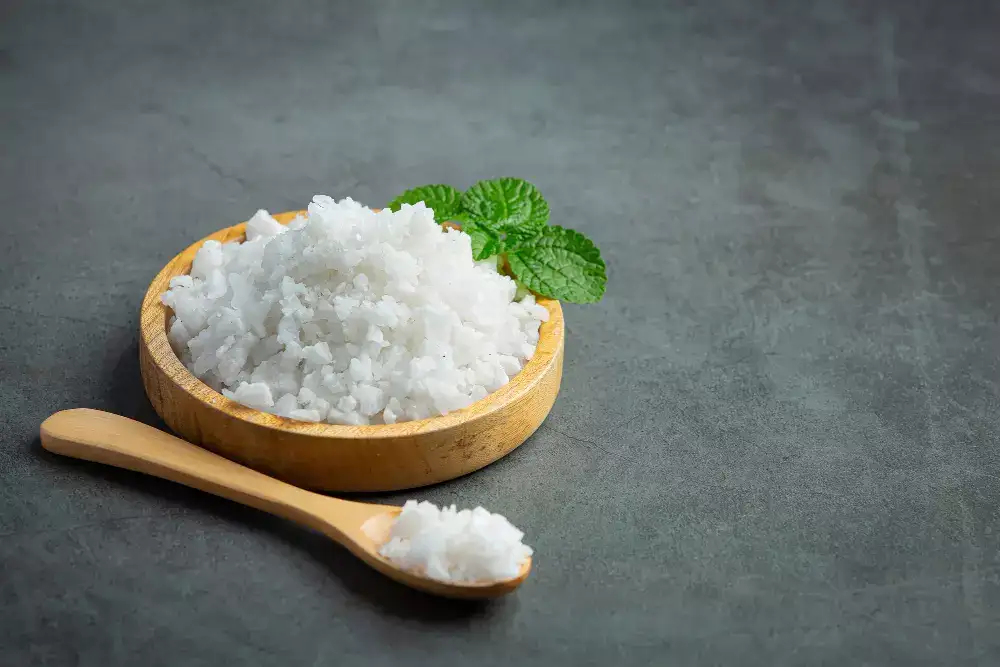
The Study's Findings
The study, conducted by researchers at a leading dermatology institute, found that a high-salt diet could exacerbate skin conditions such as eczema and acne. Salt can lead to dehydration , which in turn causes the skin to become dry and irritated. Additionally, high sodium levels may interfere with blood circulation, impairing the delivery of essential nutrients to skin cells and thus hindering skin repair and regeneration.
Tips to Reduce Salt Intake
Reducing your salt intake doesn't mean compromising on flavor. Here are five practical tips to help you cut down on sodium while still enjoying delicious meals:
Read Food Labels Carefully
Packaged and processed foods are often loaded with hidden salts. Always check the nutritional labels for sodium content and opt for lower-sodium alternatives when available.
Cook at Home More Often
Home-cooked meals give you control over the amount of salt you use. Experiment with herbs, spices, and other seasonings like garlic, lemon juice, and vinegar to add flavor without relying on salt.
Limit High-Sodium Foods
Reduce consumption of foods known to be high in salt, such as canned soups, processed meats, and salty snacks. Opt for fresh, whole foods whenever possible.
Rinse Canned Foods
If you use canned vegetables or beans, rinse them under water before cooking or eating. This simple step can significantly reduce their sodium content.
Be Mindful of Restaurant Meals
Restaurant dishes can be high in salt. Ask for sauces and dressings on the side, and choose grilled or baked options over fried foods. Don't be afraid to request that your meal be prepared with less salt.
The Study's Findings
The study, conducted by researchers at a leading dermatology institute, found that a high-salt diet could exacerbate skin conditions such as eczema and acne. Salt can lead to dehydration , which in turn causes the skin to become dry and irritated. Additionally, high sodium levels may interfere with blood circulation, impairing the delivery of essential nutrients to skin cells and thus hindering skin repair and regeneration.
Tips to Reduce Salt Intake
Reducing your salt intake doesn't mean compromising on flavor. Here are five practical tips to help you cut down on sodium while still enjoying delicious meals:
You may also like
- Word of the day: Bollard
- Makeup brand giving away 1,000s of free driving lessons because their primer is so strong
- Quote of the Day by Confucius, "When you see a worthy person, endeavor to emulate him. When you see an unworthy person, then...."
- 'I knew we had to prevent a priceless treasure being lost forever': Inside Dumfries House, Scotland's timeless property King Charles saved
- Fashion quote of the day by Iris Apfel: 'Jewellery is the most transformative thing you can wear'
Read Food Labels Carefully
Packaged and processed foods are often loaded with hidden salts. Always check the nutritional labels for sodium content and opt for lower-sodium alternatives when available.
Cook at Home More Often
Home-cooked meals give you control over the amount of salt you use. Experiment with herbs, spices, and other seasonings like garlic, lemon juice, and vinegar to add flavor without relying on salt.
Limit High-Sodium Foods
Reduce consumption of foods known to be high in salt, such as canned soups, processed meats, and salty snacks. Opt for fresh, whole foods whenever possible.
Rinse Canned Foods
If you use canned vegetables or beans, rinse them under water before cooking or eating. This simple step can significantly reduce their sodium content.
Be Mindful of Restaurant Meals
Restaurant dishes can be high in salt. Ask for sauces and dressings on the side, and choose grilled or baked options over fried foods. Don't be afraid to request that your meal be prepared with less salt.






Loving Newspoint? Download the app now
