
Global Green Treasures: Top 10 Countries Leading in World Forest Cover

Forests form the ecological backbone of our planet, absorbing vast amounts of carbon dioxide, hosting the majority of terrestrial biodiversity, and regulating global climate systems. Understanding how forest lands are distributed across nations offers an essential perspective on global environmental responsibility and conservation efforts. From vast boreal wildernesses to tropical rainforests, a small group of nations holds the vast majority of the world's forest reserves. Examining the top ten countries with the largest forest cover provides insight into planet-wide green cover, resource stewardship, and where India stands in global forestry rankings.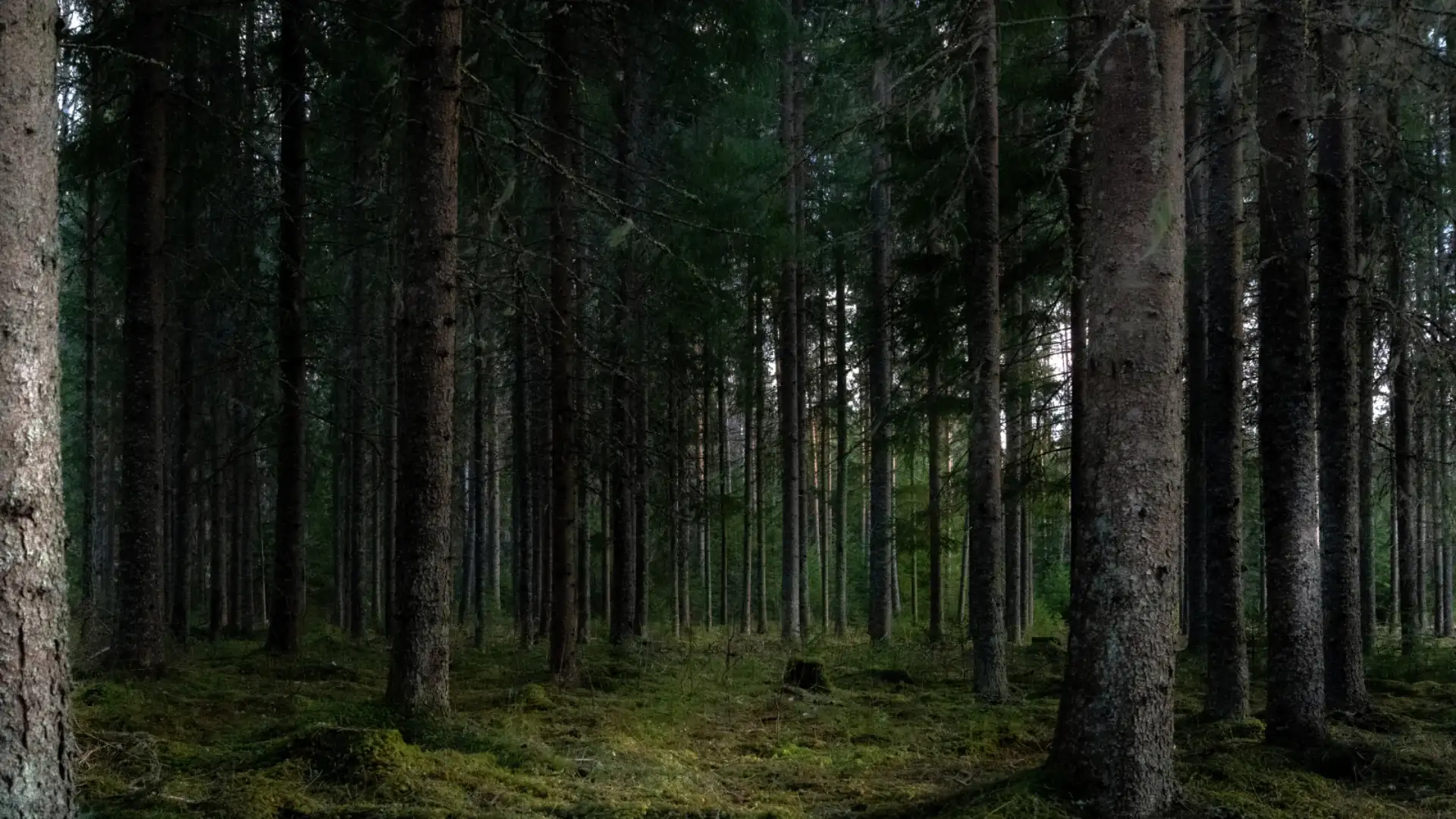
Protecting world forest cover remains one of humanity's most effective strategies for fighting climate change and preserving biodiversity. As international efforts shift toward sustainable land management, monitoring these forest reserves remains vital for global ecological health.
1. Russia: Home to the Massive Taiga
Russia holds the undisputed first position globally, containing over twenty percent of the entire planet's total forest area. Spanning vast regions across Siberia, the Russian Taiga consists predominantly of coniferous boreal forests. These massive stretches of woodland act as an immense global carbon sink, playing a vital role in cooling the Earth and preserving Arctic climate balances.2. Brazil: The Tropical Heartland
Housing the majority of the Amazon Rainforest, Brazil ranks second in global forest cover. Its lush tropical canopy is the most biodiverse ecosystem on Earth, housing millions of plant, animal, and insect species. Despite ongoing challenges with deforestation, Brazil's millions of square kilometers of rainforest remain fundamental to regulating moisture cycles and global weather patterns.3. Canada: Boreal Wilderness
Canada occupies third place, with forest land covering vast swathes of its northern landscape. Rich in spruce, pine, and fir trees, Canada's boreal region supports extensive wildlife habitats and contains vast freshwater reserves. Sustainable forestry practices and remote geographic regions help maintain its large expanse of undisturbed woodland ecosystems.4. United States: Diverse Forest Systems
Ranking fourth globally, the United States features remarkably diverse forest biomes ranging from temperate rainforests in the Pacific Northwest to sprawling hardwood forests in the East. State and national park networks protect millions of acres, balancing timber production, conservation, and public recreation.5. China: Massive Afforestation Programs
China holds fifth position following decades of aggressive national reforestation initiatives. Through large-scale planting initiatives and strict land management strategies aimed at combating desertification, China has added millions of hectares of new forest cover over recent decades, marking one of the largest ecological restoration projects in human history.6. Australia: Unique Native Woodlands
Australia secures sixth place, characterized primarily by open eucalyptus forests, dry woodlands, and tropical pockets in Queensland. Despite seasonal bushfire risks and arid interior climate conditions, Australia's unique tree species have adapted to thrive in harsh environments, supporting endemic wildlife species found nowhere else on Earth.7. Democratic Republic of the Congo: The Heart of Africa
Occupying seventh place, the Democratic Republic of the Congo hosts the core of the Congo Basin, the world's second-largest tropical rainforest system. Known as the second lungs of the planet, these dense tropical forests provide essential habitat for endangered primates, including gorillas and bonobos, while storing immense amounts of carbon.8. Indonesia: Rich Tropical Archipelago
Indonesia ranks eighth due to its vast tropical rainforests and mangrove systems spread across thousands of volcanic islands. Rich in biodiversity, these forests harbor iconic species such as orangutans and Sumatran tigers. Conservation efforts continue as the nation balances environmental protection with agricultural development.9. Peru: Amazonian Diversity
Holding the ninth spot globally, Peru possesses the second-largest portion of the Amazon basin after Brazil. Covering over half of the national territory, Peru's pristine high-elevation cloud forests and lowland Amazonian wilderness serve as crucial hotspots for global ecological research and eco-tourism.10. India: Expanding Green Spaces
India rounds out the upper tier of global rankings, maintaining its position among the world's top green nations. Covering over twenty-four percent of its geographical landmass through forests and tree cover, India continues to invest in reforestation, community forest management, and protected reserve expansions across regions like the Western Ghats, the Himalayas, and the Central Highlands.Protecting world forest cover remains one of humanity's most effective strategies for fighting climate change and preserving biodiversity. As international efforts shift toward sustainable land management, monitoring these forest reserves remains vital for global ecological health.
Next Story