
Top 10 Vegetables You Should Never Store In The Fridge And Why

Most households automatically place vegetables in the refrigerator after grocery shopping, believing it is the best way to keep produce fresh. While refrigeration is suitable for many leafy greens and perishable vegetables, some varieties actually fare better at room temperature.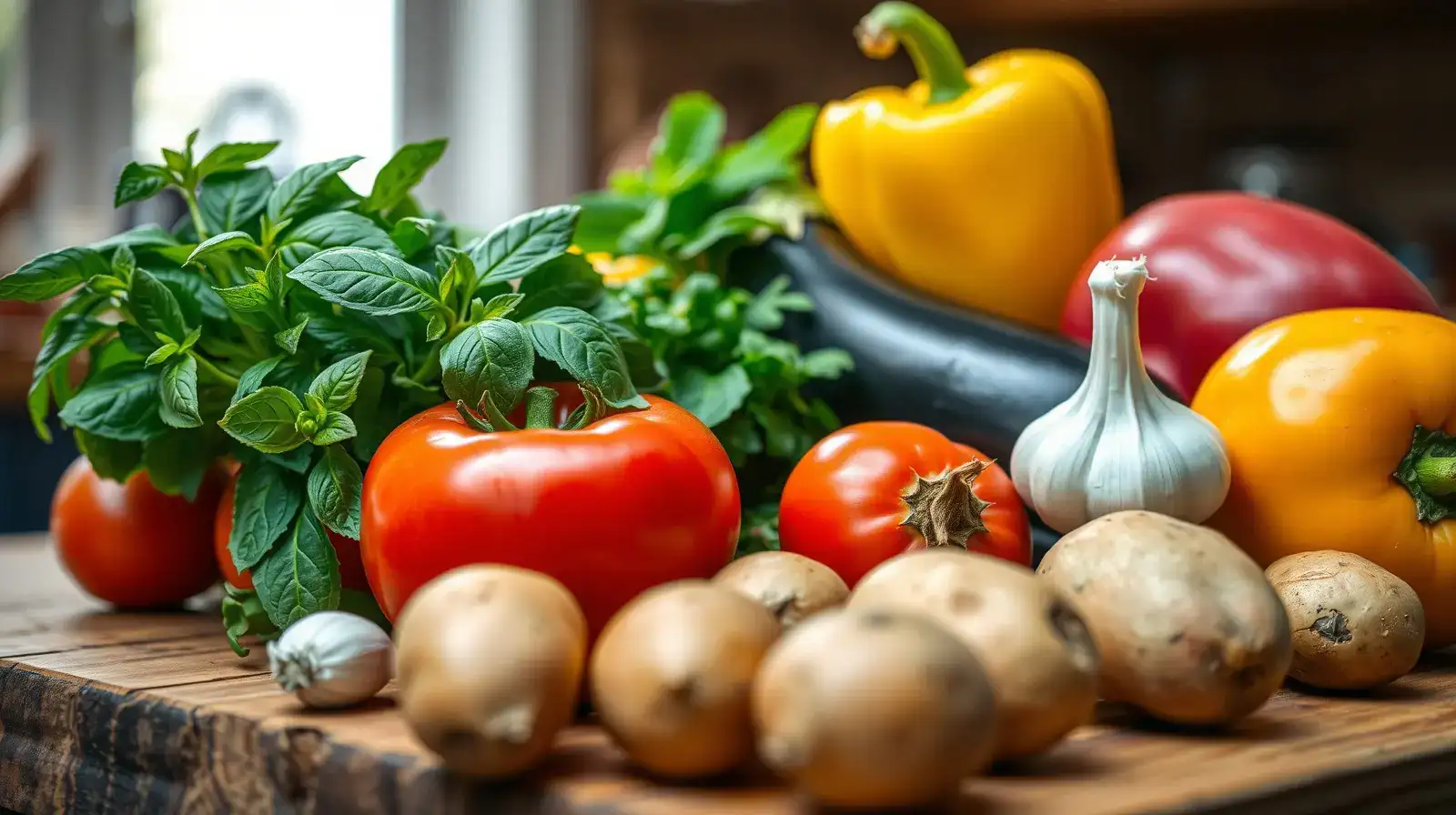
According to food storage experts, certain vegetables can suffer from flavour loss, texture changes and reduced shelf life when exposed to cold conditions. Storing them correctly can help preserve their natural taste and quality while reducing unnecessary food waste.
Here are 10 vegetables that are generally best kept out of the fridge.
Cold temperatures can cause the starch in potatoes to convert into sugar more quickly, affecting both flavour and texture. A cool, dark and well-ventilated cupboard is usually the best storage location.
Refrigeration can introduce excess moisture, leading to softness and spoilage. Store onions in a basket or mesh container away from direct sunlight.
The refrigerator can encourage moisture build-up, which may cause sprouting or mould growth. Proper ventilation is essential for maintaining quality.
Cold temperatures can alter their texture, making them mealy and less juicy. Keeping them at room temperature allows them to retain their natural taste and continue ripening if needed.
Chilling can affect their texture and flavour. A dry pantry or cupboard is usually a more suitable storage option.
Refrigeration is unnecessary unless the pumpkin has already been cut. Once sliced, it should be refrigerated and consumed within a reasonable period.
These vegetables are best stored in a cool area with adequate airflow rather than in the fridge.
Refrigeration may affect their texture and flavour, particularly if stored for extended periods. They are usually best consumed within a few days of purchase and kept in a cool room.
Keeping it in a dry area helps maintain its flavour and usability. For longer storage, alternative methods such as freezing may be considered.
Excess moisture inside refrigerators can sometimes accelerate spoilage, especially if the chillies are not stored properly.
Understanding which vegetables prefer room temperature can help households reduce waste and enjoy fresher produce. A cool, dry and well-ventilated pantry often provides ideal conditions for many commonly used vegetables.
By making a few simple adjustments to storage habits, it becomes easier to maintain the quality of produce and get the best value from every grocery purchase.
According to food storage experts, certain vegetables can suffer from flavour loss, texture changes and reduced shelf life when exposed to cold conditions. Storing them correctly can help preserve their natural taste and quality while reducing unnecessary food waste.
Here are 10 vegetables that are generally best kept out of the fridge.
1. Potatoes
Potatoes are among the most commonly misstored vegetables.Cold temperatures can cause the starch in potatoes to convert into sugar more quickly, affecting both flavour and texture. A cool, dark and well-ventilated cupboard is usually the best storage location.
2. Onions
Whole onions prefer dry conditions and good airflow.Refrigeration can introduce excess moisture, leading to softness and spoilage. Store onions in a basket or mesh container away from direct sunlight.
3. Garlic
Garlic bulbs stay fresher when kept in a cool and dry environment.The refrigerator can encourage moisture build-up, which may cause sprouting or mould growth. Proper ventilation is essential for maintaining quality.
4. Tomatoes
Tomatoes often lose flavour when refrigerated.Cold temperatures can alter their texture, making them mealy and less juicy. Keeping them at room temperature allows them to retain their natural taste and continue ripening if needed.
5. Sweet Potatoes
Like regular potatoes, sweet potatoes generally perform better outside the refrigerator.Chilling can affect their texture and flavour. A dry pantry or cupboard is usually a more suitable storage option.
6. Pumpkin
Whole pumpkins can last for weeks when stored in a cool, dry place.Refrigeration is unnecessary unless the pumpkin has already been cut. Once sliced, it should be refrigerated and consumed within a reasonable period.
7. Winter Squash
Varieties such as butternut squash and acorn squash are known for their long shelf life.These vegetables are best stored in a cool area with adequate airflow rather than in the fridge.
8. Aubergine
Aubergines can be sensitive to very low temperatures.Refrigeration may affect their texture and flavour, particularly if stored for extended periods. They are usually best consumed within a few days of purchase and kept in a cool room.
You may also like
- ITR Filing AY 2026-27: How to Claim a TDS Refund and Track Its Status Online
- “Mom told me to stop giving interviews”: Famous teenage investigator Sarthak Sidhant shares her mother's reaction on him getting attention
- 5 flower species found only in India and nowhere else on Earth, and where travellers can see them
- Why Do We Feel Awkward When Someone Is Typing and Then Stops?
- Quote of the day for children by Abraham Maslow: “One can choose to go back toward safety or forward toward growth. Growth must be chosen again and again; fear must...”
9. Ginger
Fresh ginger can be stored at room temperature for short periods if it will be used soon.Keeping it in a dry area helps maintain its flavour and usability. For longer storage, alternative methods such as freezing may be considered.
10. Green Chillies
Green chillies often remain in better condition when stored in a dry and well-ventilated area for short-term use.Excess moisture inside refrigerators can sometimes accelerate spoilage, especially if the chillies are not stored properly.
Why Proper Vegetable Storage Matters
Correct storage is not only about extending shelf life but also about preserving flavour, texture and nutritional quality. Food experts note that different vegetables have different storage requirements, and treating them all the same can lead to faster deterioration.Understanding which vegetables prefer room temperature can help households reduce waste and enjoy fresher produce. A cool, dry and well-ventilated pantry often provides ideal conditions for many commonly used vegetables.
By making a few simple adjustments to storage habits, it becomes easier to maintain the quality of produce and get the best value from every grocery purchase.






More from our partners


Loving Newspoint? Download the app now
