
Best Waterfalls to Visit During Monsoon in India for Spectacular Views

There is something magical about watching a waterfall at the peak of the monsoon. As rain clouds gather and rivers swell, waterfalls across India transform from gentle streams into roaring cascades surrounded by lush forests and mist-covered hills. For nature lovers, photographers and adventure seekers, this is the perfect season to witness some of the country's most breathtaking landscapes. While many travellers associate the monsoon with travel disruptions, it is actually the best time to experience India's waterfalls in their full glory. From the mighty Dudhsagar Falls in Goa to the hidden gems of the Western Ghats and the North East, these spectacular destinations promise unforgettable sights and refreshing escapes.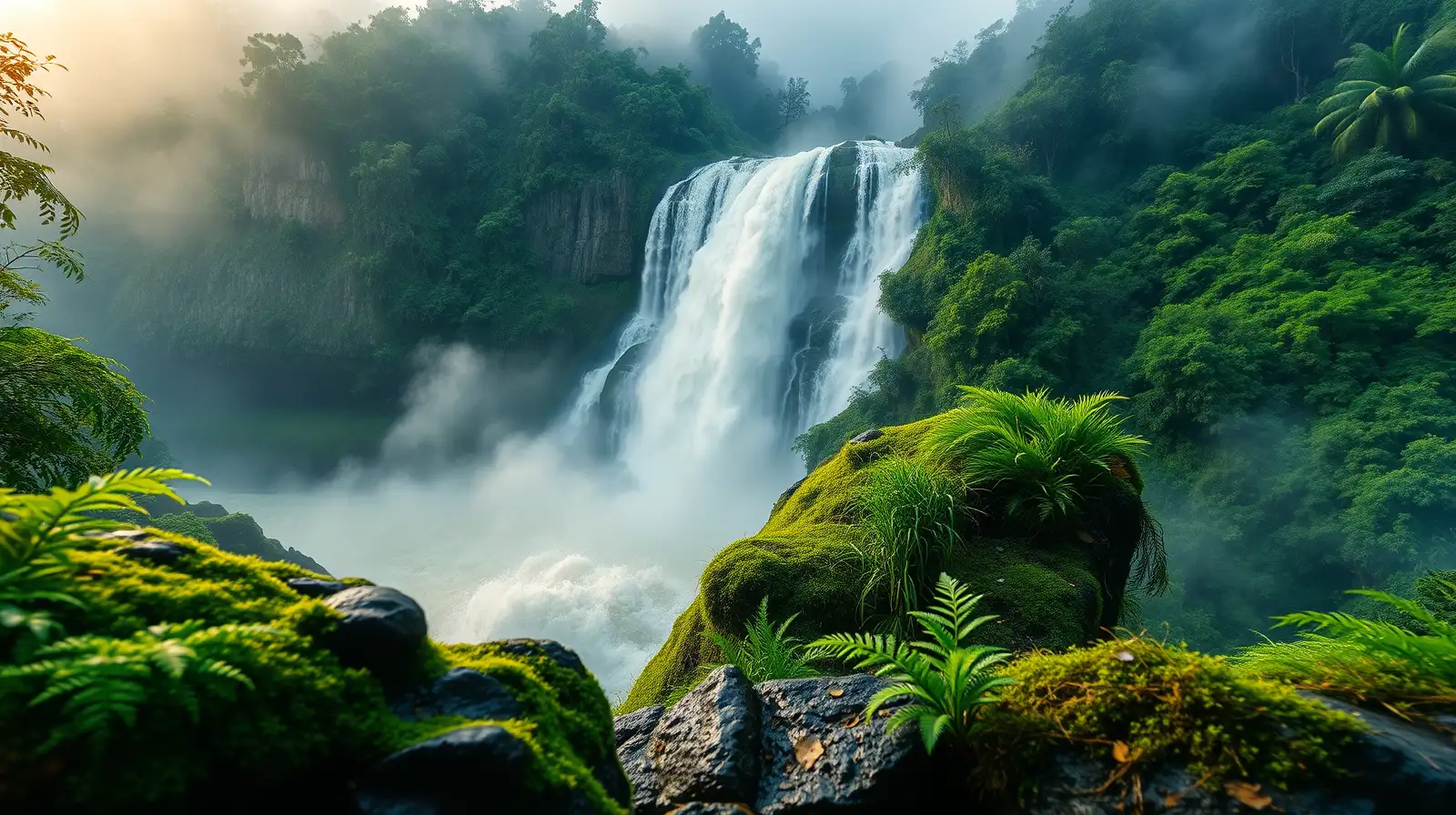
The surrounding forests also flourish during this period, making every journey to a waterfall as rewarding as the destination itself. The fresh air, cooler temperatures and vibrant greenery create an atmosphere that is difficult to experience during any other season.
The waterfall reaches its peak during the monsoon, creating a dramatic spectacle that can be admired from nearby viewpoints and railway bridges. While trekking routes may be restricted during heavy rainfall for safety reasons, the surrounding scenery remains breathtaking.
Viewing platforms provide panoramic vistas, allowing visitors to appreciate the immense scale of this natural wonder.
The region is also rich in biodiversity and has served as the backdrop for several popular Indian films, adding to its appeal among travellers.
The site is also linked to a centuries-old local legend, making it as culturally significant as it is visually stunning.
Its proximity to Dharamshala also makes it an easy addition to a Himalayan holiday.
The combination of coffee estates, hanging bridges and misty surroundings creates an unforgettable experience for visitors.
Its peaceful setting makes it ideal for travellers seeking a quieter alternative to more crowded destinations.
Several waterfalls also hold cultural importance, with local communities associating them with ancient legends, temples and traditional festivals that have been celebrated for generations.
Travellers can contribute by avoiding littering, respecting safety barriers and protecting fragile ecosystems that surround these natural attractions.
Why Monsoon Is the Best Time to Visit Waterfalls
Most Indian waterfalls depend on seasonal rainfall. During summer, many shrink into narrow streams or dry up completely. Once the monsoon arrives, rivers are replenished, creating powerful waterfalls that attract visitors from across the country.The surrounding forests also flourish during this period, making every journey to a waterfall as rewarding as the destination itself. The fresh air, cooler temperatures and vibrant greenery create an atmosphere that is difficult to experience during any other season.
Dudhsagar Falls, Goa
Dudhsagar Falls is one of India's tallest and most famous waterfalls. Located on the Goa-Karnataka border, the four-tiered cascade resembles a stream of flowing milk, giving it its distinctive name.The waterfall reaches its peak during the monsoon, creating a dramatic spectacle that can be admired from nearby viewpoints and railway bridges. While trekking routes may be restricted during heavy rainfall for safety reasons, the surrounding scenery remains breathtaking.
Jog Falls , Karnataka
Among the highest plunge waterfalls in India, Jog Falls is an extraordinary sight during the rainy season. Fed by the Sharavathi River, the waterfall drops nearly 253 metres, creating a thunderous roar that can be heard from a considerable distance.Viewing platforms provide panoramic vistas, allowing visitors to appreciate the immense scale of this natural wonder.
Athirappilly Falls , Kerala
Often called the "Niagara of India", Athirappilly Falls is one of Kerala's most iconic attractions. Surrounded by dense forests, the waterfall becomes especially powerful after weeks of monsoon rainfall.The region is also rich in biodiversity and has served as the backdrop for several popular Indian films, adding to its appeal among travellers.
Nohkalikai Falls, Meghalaya
Towering over the hills near Cherrapunji, Nohkalikai Falls is India's tallest plunge waterfall. During the monsoon, heavy rainfall feeds the waterfall, creating an impressive stream that plunges into a turquoise pool below.The site is also linked to a centuries-old local legend, making it as culturally significant as it is visually stunning.
Bhagsu Waterfall, Himachal Pradesh
Located near McLeod Ganj, Bhagsu Waterfall becomes far more energetic during the rainy season. A short trek through pine forests leads visitors to the cascading water, offering scenic views along the way.Its proximity to Dharamshala also makes it an easy addition to a Himalayan holiday.
Abbey Falls, Karnataka
Hidden within Coorg's coffee plantations, Abbey Falls is one of southern India's most picturesque waterfalls. During the monsoon, the waterfall gains remarkable strength as streams from the Western Ghats feed its flow.You may also like
- Top 8 Mehendi Designs to Embrace This Monsoon Season
- Mirabai Chanu, a tea seller's daughter, who carried firewood on her head through forest trails, has today won first gold for India at the Commonwealth Games: The inspiring story of a girl whose first barbell was a bamboo stick
- KYC rules will change from August 1! CKYC 2.0 is coming, accounts will be opened without documents..
- Friendship Day Weekend Escapes: 5 Monsoon Getaways Near Mumbai to Make Memories With Your Gang
- New Corona cases raise concerns; Covid beds ready in hospitals—what is the situation in Delhi-NCR?
The combination of coffee estates, hanging bridges and misty surroundings creates an unforgettable experience for visitors.
Thoseghar Falls, Maharashtra
Less famous than many other waterfalls, Thoseghar Falls is one of Maharashtra's hidden monsoon treasures. Located near Satara, the waterfall consists of several cascades that plunge into a deep valley surrounded by rolling green hills.Its peaceful setting makes it ideal for travellers seeking a quieter alternative to more crowded destinations.
Lesser-Known Facts About India's Waterfalls
Many of India's most spectacular waterfalls exist because of the Western Ghats, a UNESCO World Heritage region recognised as one of the world's biodiversity hotspots. These mountains receive heavy monsoon rainfall, feeding hundreds of seasonal rivers and waterfalls every year.Several waterfalls also hold cultural importance, with local communities associating them with ancient legends, temples and traditional festivals that have been celebrated for generations.
Why Waterfall Tourism Matters Today
Waterfalls play an important role in supporting local tourism, especially in rural and hill regions where hospitality businesses rely heavily on seasonal visitors. Responsible tourism helps generate income for local communities while encouraging conservation of forests, rivers and wildlife habitats.Travellers can contribute by avoiding littering, respecting safety barriers and protecting fragile ecosystems that surround these natural attractions.






Loving Newspoint? Download the app now
